health

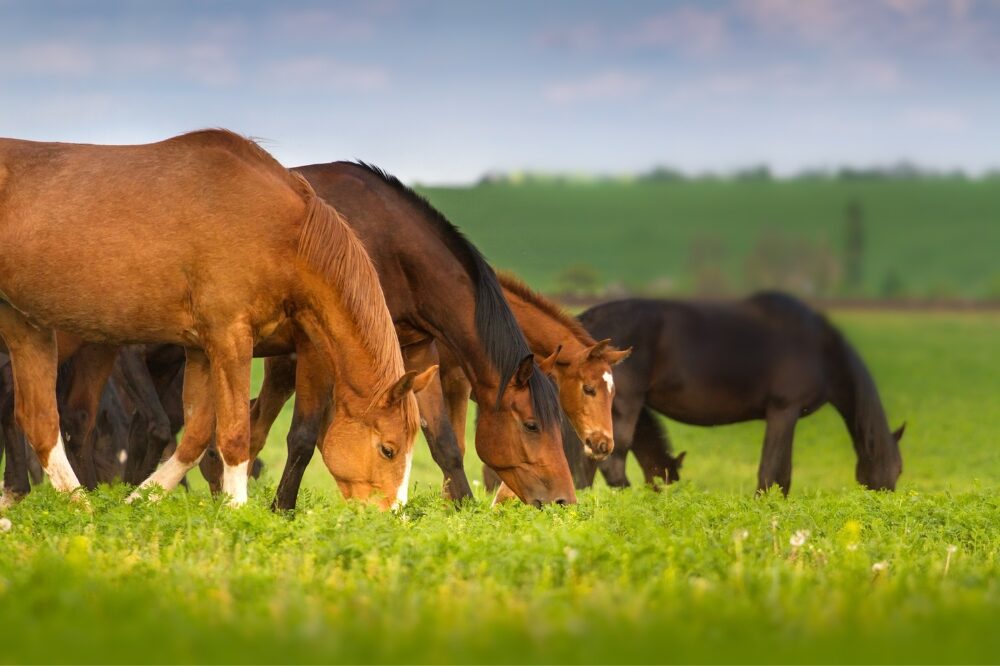
a herd of horses and a foal grazing on spring pasture

Pasture-Associated Laminitis

Pasture-associated laminitis is closely linked to grass intake and metabolic health, especially in spring and fall when sugars in pasture run high. Horses with insulin resistance or other metabolic conditions are at greater risk of painful hoof inflammation. Early signs like hoof heat and a strong digital pulse can signal trouble before serious damage occurs. Prevention centers on controlled grazing, body condition management, and reducing pasture sugar intake.

Pasture-Associated Laminitis Read More »

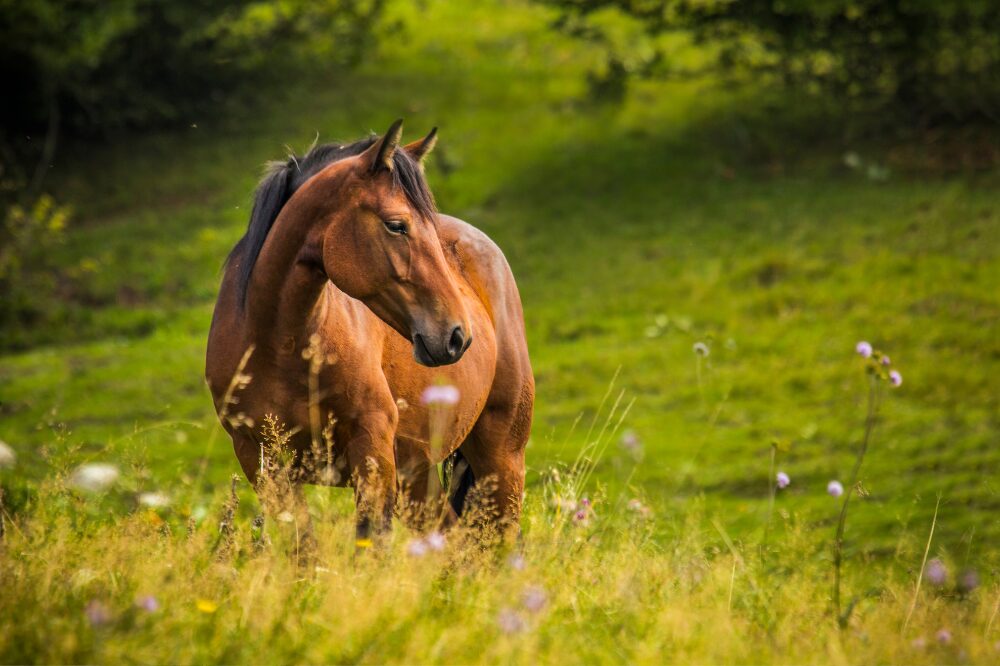
horse looking sideways while standing in a field with grass and wildflowers

Spring Vaccines for Horses

Spring brings a higher risk of infectious disease exposure, making timely vaccination an important part of seasonal horse care. Planning ahead helps support stronger immunity before mosquitoes and travel-related contact increase disease spread. Many veterinarians recommend combining vaccinations with a full wellness exam to evaluate overall health and catch issues early. Tailored vaccine plans based on lifestyle, age, and location help keep horses protected throughout the year.

Spring Vaccines for Horses Read More »

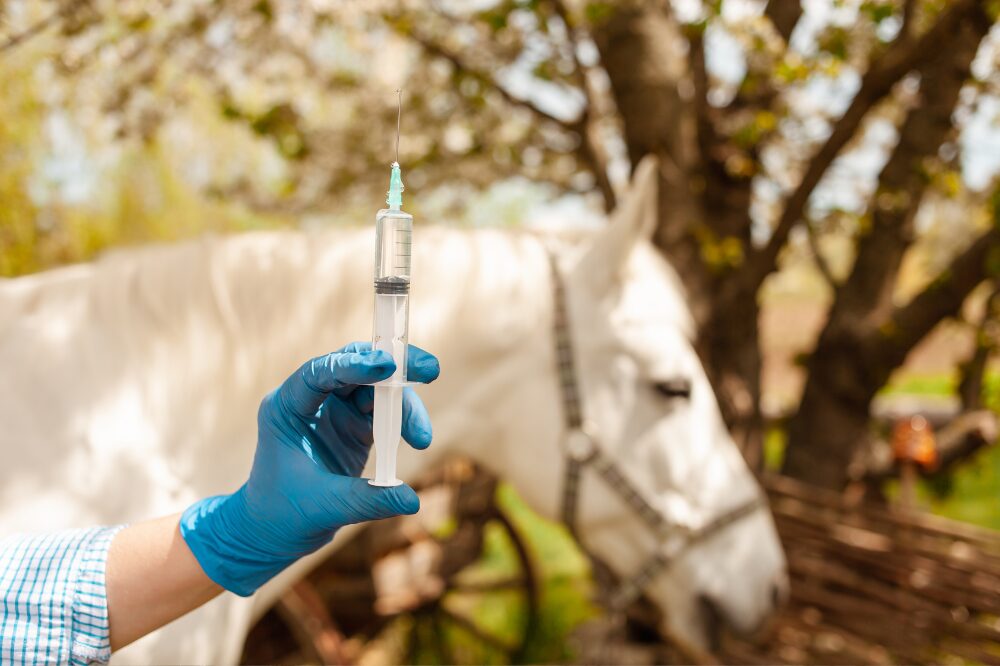
horse in background of an equine vet holding an injection

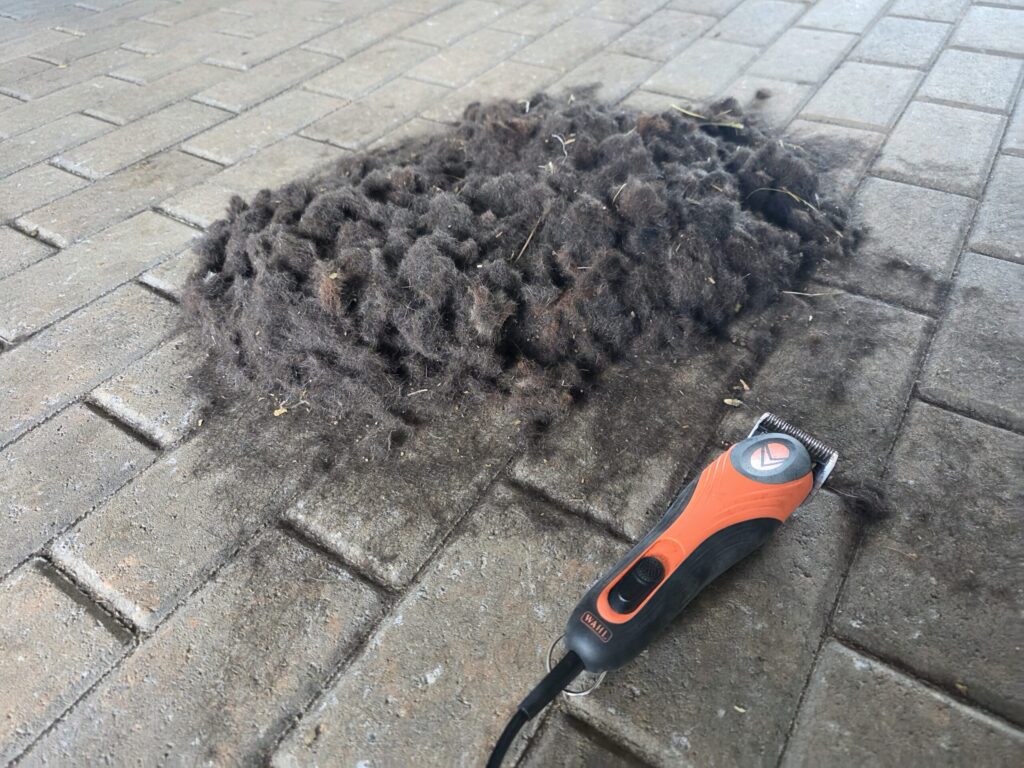
Sedation for Clipping

Clipping can become overwhelming for horses that are sensitive to sound, vibration, or handling. Sedation for horse clipping is sometimes the safest option to reduce stress and prevent injury while still allowing essential care. A thoughtful approach that includes veterinary guidance and gradual training can help improve future body clipping experiences.

Sedation for Clipping Read More »

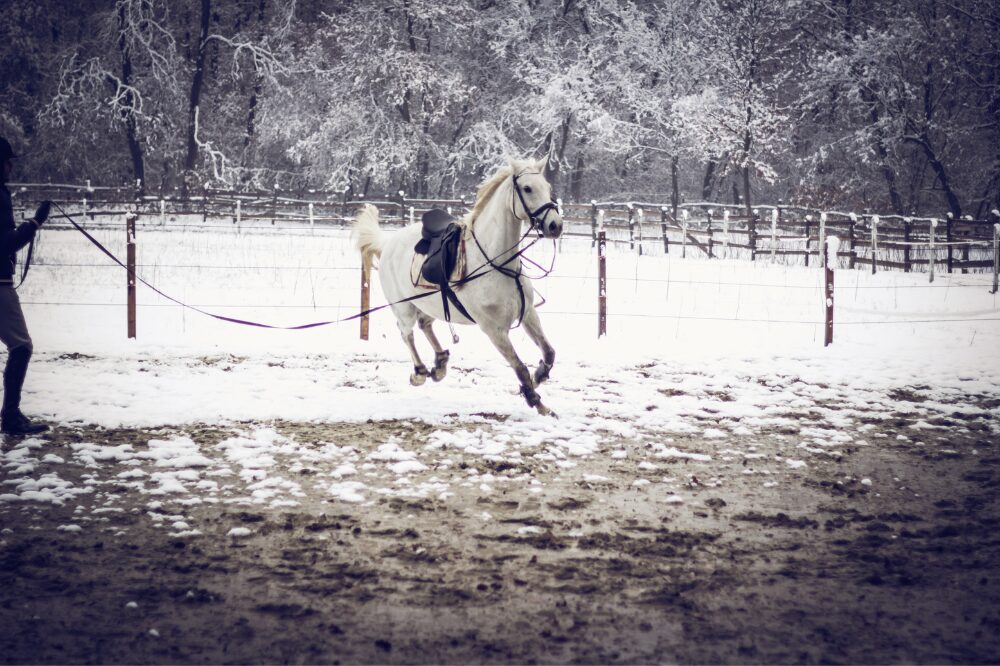
a gray horse on a lunge line with snow and mud on the ground

Winter Enrichment For Horses

Winter can limit turnout and riding, which makes mental stimulation just as important as physical care. Winter enrichment for horses focuses on keeping minds active through training, forage based activities, and environmental changes. Simple adjustments to routines and spaces can help prevent boredom, support digestion, and encourage natural behaviors all season long.

Winter Enrichment For Horses Read More »

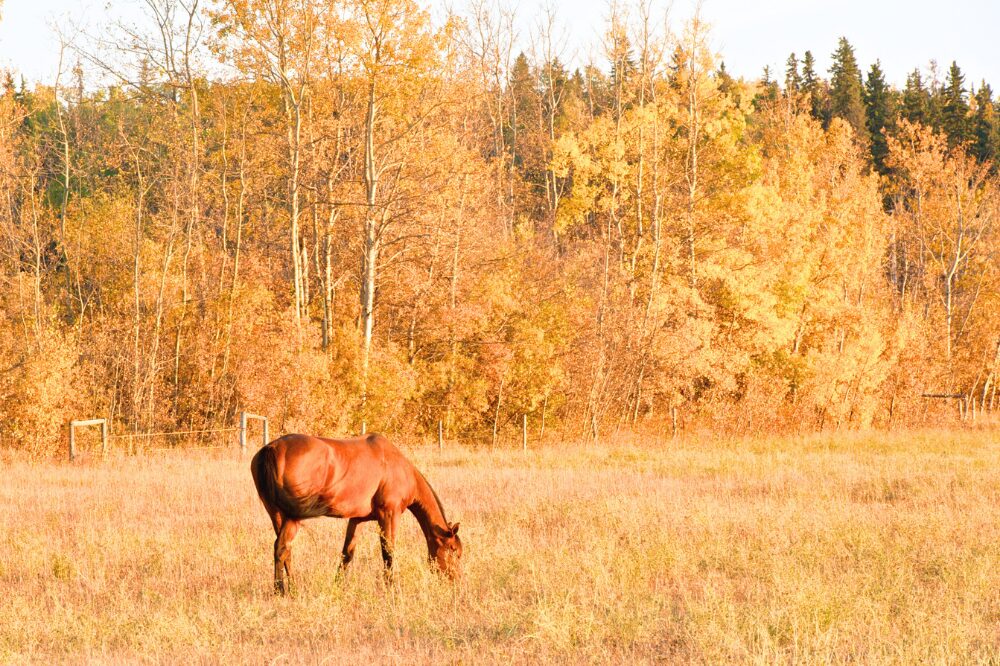
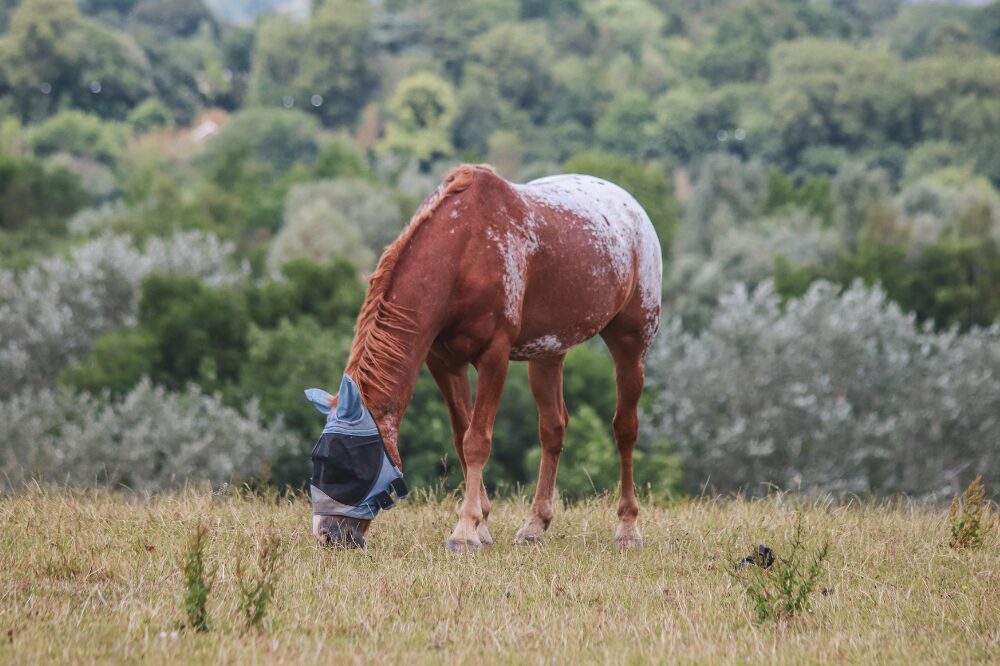
chestnut horse grazing on golden grass with fall trees

Fall Horse Care Tips

As autumn arrives, horse owners face a range of seasonal challenges. From shifting diets and grooming thicker coats to updating health checks and hoof care routines, fall horse care is all about preparation. By adjusting nutrition, monitoring weight, managing turnout, and winterizing the barn, you can help your horse stay comfortable, strong, and resilient as the temperatures drop.

Fall Horse Care Tips Read More »

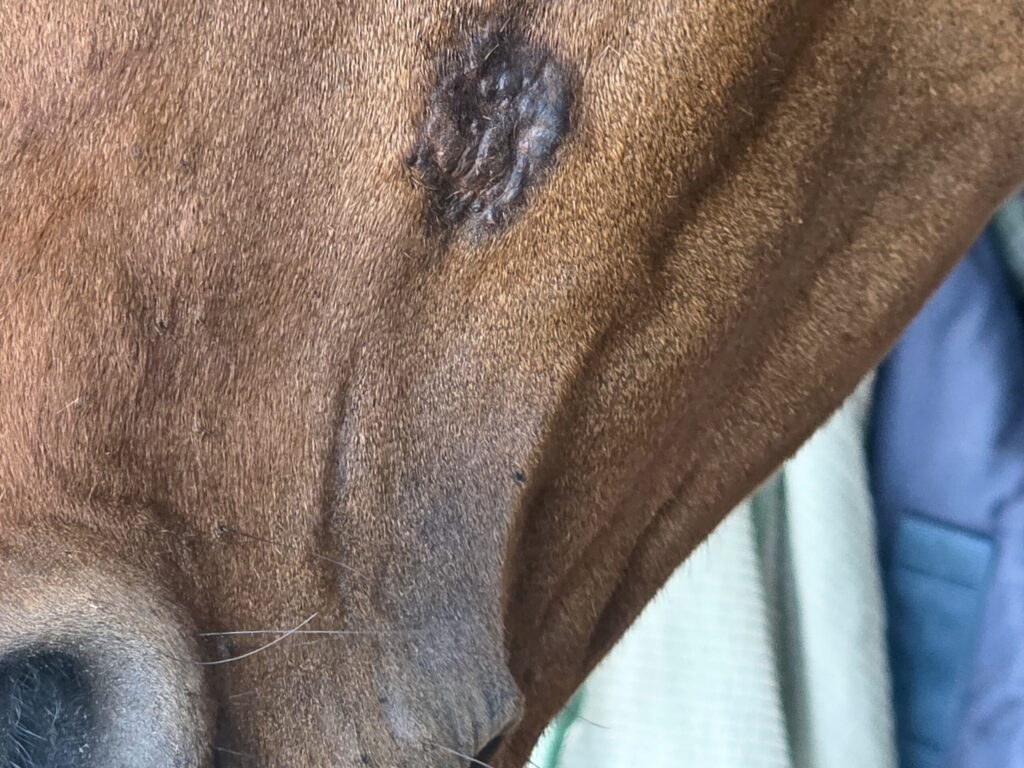
close up of sarcoid on horse's face near the nostril

Sarcoids on Horses

Sarcoids on horses are the most common type of equine skin tumor, often linked to the bovine papillomavirus. They vary in size, shape, and severity, and while not life-threatening, they can cause discomfort and impact quality of life. Learning the types, risk factors, and treatment approaches equips horse owners to work closely with their vet for effective management.

Sarcoids on Horses Read More »

tums antacids in a palm

Antacids for Horses – Are They Worth It?

Horses commonly suffer from gastric ulcers, and managing stomach acid is a frequent concern for horse owners. Antacids for horses may provide temporary relief by neutralizing acid, but they do not address the underlying causes of ulcers, such as an empty stomach or high-stress feeding schedules. Effective prevention and treatment often rely on diet changes, small frequent meals, forage, and veterinary-guided medications rather than human antacids like TUMS.

Antacids for Horses – Are They Worth It? Read More »

pulsed electromagnetic coils on a horse's back

PEMF for Horses

PEMF for horses is gaining attention as a non-invasive therapy that may support equine health and healing. Pulsed electromagnetic field therapy for horses is thought to improve circulation, reduce inflammation, and aid recovery in tissues ranging from bone to cartilage. While research is ongoing and results are mixed, horse owners and veterinarians are exploring its potential role in managing injuries, soreness, and long-term conditions.

PEMF for Horses Read More »

Scroll to Top