Pasture-associate laminitis (PAL) in horses is not something new, but instead a new name for what many of us understand is the direct path between spring (or fall) grass and laminitis. How this mechanism works is understood more and more every day, and we know that horses with metabolic disorders are at a higher risk of laminitis and possibly founder, too.

Key Highlights
Here are the key takeaways about pasture-associated laminitis:
- This painful condition is often caused by eating too much grass high in nonstructural carbohydrates (sugars and starches).
- Horses with equine metabolic syndrome or insulin resistance are at a higher risk.
- Early signs of laminitis include reluctance to move, heat in the hooves, and an increased digital pulse.
- Preventive measures include managing body condition, using a grazing muzzle, and limiting time on lush pastures.
- If the condition worsens, it can lead to founder, which is the displacement of the coffin bone within the hoof capsule.
How Laminitis Develops in Horses
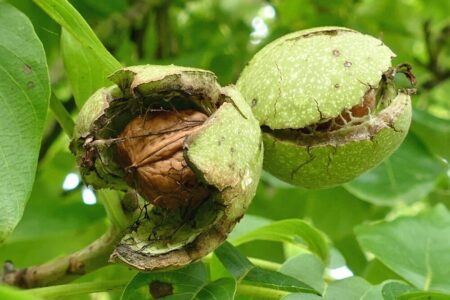
- The development of laminitis is a complex event that affects the whole body, not just the hooves. It often begins with a systemic inflammatory response issue that disrupts normal body functions, such as a fever. Other types of laminitis develop from short- or long-term work on hard ground, as a secondary development of healthy limbs after an injury to one, or from exposure to black walnut trees or shavings. All types deal with reduced blood flow to the hooves and inflammation of the laminae, regardless of the cause of laminitis.
- Laminitis is characterized by reduced blood flow to the feet, swelling and weakening of the internal laminae of the hoof, and intense pain. Many horses also develop equine founder, in which the damaged hooves can no longer support the bones within the hoof. The coffin bone will sink or rotate in the hoof.
Laminae and Related Structures of the Horse Hoof
- The coffin bone is attached to the hoof wall by the laminae inside the hoof.
- The laminar layer is where finger-like projections from the coffin bone meet matching projections on the inner surface of the hoof wall. These structures interlock almost like a handshake, helping hold the bone securely in place while still allowing the hoof wall a little natural movement.
- The inner surface of the hoof wall contains the primary epidermal layer. This layer resembles rows of tiny fingers and is made of many layers of keratinized cells.
- The secondary dermal layer begins along the outer surface of the coffin bone. It also has finger-like projections, but there are more of them, and they are longer than those in the primary epidermal layer. The cells here are more similar to skin cells. They help deliver nutrients through blood flow, provide structural support for both the hoof and the leg, and absorb shock each time the horse moves.
- During laminitis, the laminae become weakened and inflamed, which causes significant pain. As the damage progresses, the laminae may no longer be able to hold the coffin bone in place, allowing it to rotate or sink.
- While we mainly notice trouble in the front hooves, it can happen to all feet.
Read more about hoof anatomy here.
How Equine Founder Happens
- When the laminae weaken and die, the bond holding the coffin bone in place begins to fail. The horse’s body weight, combined with the pull of the deep digital flexor tendon (DDFT) attached to the coffin bone, puts immense pressure on this already compromised structure.
- The DDFT helps a horse walk by pulling the hoof up and behind the horse to propel them forward. As laminitis weakens the attachment inside the hoof, the constant tension in the DDFT pulls at that attachment, thus moving the coffin bone away from the hoof wall.
- Rotation occurs when the pull of the DDFT causes the tip of the coffin bone to rotate downward toward the sole of the hoof. Sinking, a more severe outcome, occurs when the entire laminar connection fails, causing the coffin bone to drop further within the hoof capsule. The bone can pop through the sole of the hoof. You may see the outline of the bone on the sole before this happens.
In desperate situations, a surgical procedure is performed to sever the DDFT. This scientific article summary suggests that it can be helpful in some cases.
The Role of Insulin and Metabolism
- Metabolism plays a huge role in many laminitis cases. Conditions like pituitary pars intermedia dysfunction (PPID, formerly called Cushing’s disease), equine metabolic syndrome (EMS), and insulin resistance (IR) can make a horse much more susceptible. These horses have difficulty regulating insulin levels in response to dietary sugar. This response is known as insulin dysregulation.
- A horse’s body and start to ignore insulin’s response to blood glucose levels during insulin resistance. In response, more insulin releases, creating hyperinsulinemia (high levels of insulin) in the blood.
- High insulin levels are a direct trigger of laminitis, as they affect the blood supply to the hooves and can alter the laminar cells, weakening the connection between the wall of the hoof and the coffin bone.
This scientific article details the possible mechanisms for PAL in horses.
Overview of Pasture-Associated Laminitis in Horses
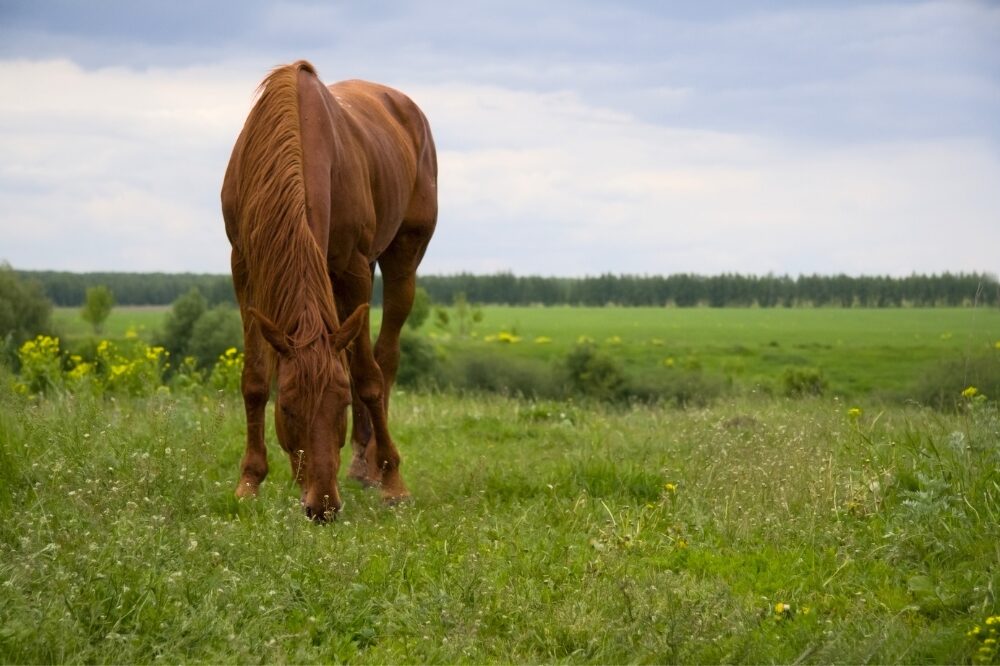
- Pasture-associated laminitis is directly related to diet and can result from eating grass pasture or other high-sugar, high-starch feeds, especially in large volumes. Because it involves elevated insulin levels, it’s termed endocrinopathic because insulin is an endocrine hormone.
- Previous understanding of this process focused on fructan overload, but it’s now understood that insulin is the primary cause of PAL. Pasture-associated laminitis is a form of endocrinopathic laminitis because it involves elevated levels of insulin, which is an endocrine hormone.
- Any horse, of any breed, can develop pasture-associated laminitis. This includes fit performance horses and pasture ornaments. But a horse with PPID, EMS, or IR has elevated insulin already, and sugar and starch initiate even more insulin, which puts these horses at a higher risk of PAL.
This study reveals that almost 90% of laminitic horses in the study group had underlying metabolic disorders without showing any outward signs with excessive hair growth.
This study examines risk factors for recurrent endocrinopathic laminitis.
Why Horses Are at Risk on Pasture
- Grasses have fluctuating levels of sugars and starches, with stressful conditions causing those levels to rise to safeguard the plant’s health and growth. In some places, pasture is thick, easily grown, and not like the scrubby, low-sugar plants that wild horses safely forage on.
- The horse’s digestive system also works against them here. Their delicate constitutions do best with fibrous, low-nutrient forage that’s eaten slowly and consistently. Pasture is often low in fiber but packs a punch in the delicious sugar department.
- Pasture can, just like a feed bag busted open by a horse, flood their digestive systems with insulin-stimulating ingredients.

Causes of Pasture-Associated Laminitis
- The main culprit is the high level of nonstructural carbohydrates (NSCs) found in certain types of grass, especially during periods of rapid growth.
Structural carbohydrates
- These plant ingredients are in cell walls and outer coverings of grains. Simply put, they are the fiber that gives the plant structure. You may see them referred to as cellulose and hemicellulose.
- Horses by themselves can’t digest this fiber. Instead, they rely on gut microbes in the hindgut to digest the fiber, providing energy and heat.
Non-structural carbohydrates
- NSC’s are starches, sugars, and fructans stored inside the plant cells. The inside portions of grains also store them. Plants use these energy reservoirs for growth and survival during stressful periods, like frosty mornings.
- They are easily digested by horses, primarily in the small intestine, but microbes in the hindgut also contribute to their breakdown. The hindgut and its microbes are where laminitis can start to brew.
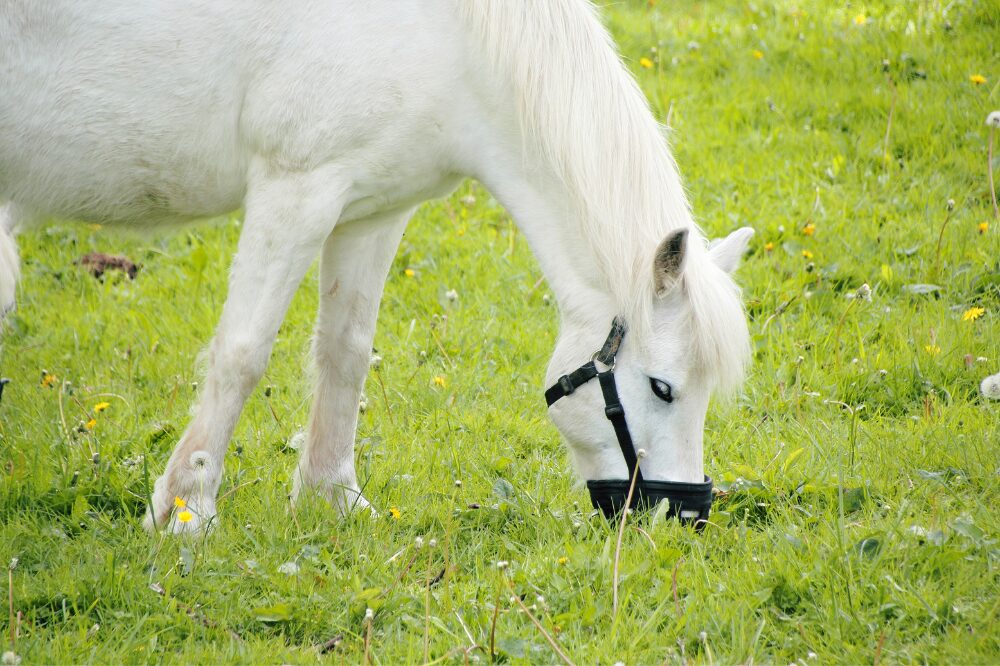
Nonstructural Carbohydrates (NSCs) in Grasses
- As an energy source for plants, NSCs are required for plant survival, but may be dangerous for horses when consumed in large quantities, especially for horses with metabolic disorders. Unfortunately, NSC levels fluctuate, so laminitis risk does too.
Times when sugars in grasses are the highest
- Sudden growth spurts, such as the spring and fall. The rapid growth creates plants low in fiber and high in tasty carbs.
- During the day, especially in late afternoon, the sun stimulates grass to photosynthesize. Sunny days create more NSCs than cloudy days.
- During frosty or chilly mornings. The part of the day matters!
- After the pasture is mowed.
- Overgrazed pastures. This not only stresses the plant but also exposes the bottom inches of the grass to grazing, where most of the sugars hang out, regardless of how tall the grass is.
- As grass goes to seed. It takes a lot of energy to reproduce!
Bacterial Imbalances and Digestive Factors
- The horse’s hindgut is home to many microbes, primarily to digest fiber. Some also feed on sugars and starches.
- The horse’s digestive tract processes many NSCs in the small intestine before the hindgut. However, lush pasture or grain binging with excess NSCs means some sugars and starches pass undigested into the hindgut.
- Now this is when it gets messy. In the hindgut, that overflow of NSCs will trigger a frenzy among the microbes, leading to rapid fermentation, a shift in pH balance, and a major die-off of the fiber-loving bacteria. All of this produces endotoxins that easily enter the bloodstream, triggering whole-body inflammation and subsequent laminitis.
Insulin and Pasture-Associated Laminitis
- There is also the relationship between glucose and insulin to consider. NSCs in pasture grass, grains, or hays will trigger the release of insulin.
- We know that insulin can affect blood flow by vasodilating blood vessels. However, with insulin-resistant metabolic disorders, vasoconstrictive factors are abundant, specifically endothelin-1.
- The cells lining the blood vessels in the hoof produce the protein endothelin-1; when insulin resistance increases, this protein causes the vessels in the hoof to constrict, increasing the risk of laminitis.
- IR also interferes with nitric oxide, a regulatory agent that mediates blood and oxygen flow to tissues. When nitric oxide levels decline, normal circulation is impaired.
- This is why the already high insulin levels in PPID or EMS horses increase the risk of severe hoof damage. Adding sugary grass or feed increases that risk.
Signs of Pasture-Associated Laminitis
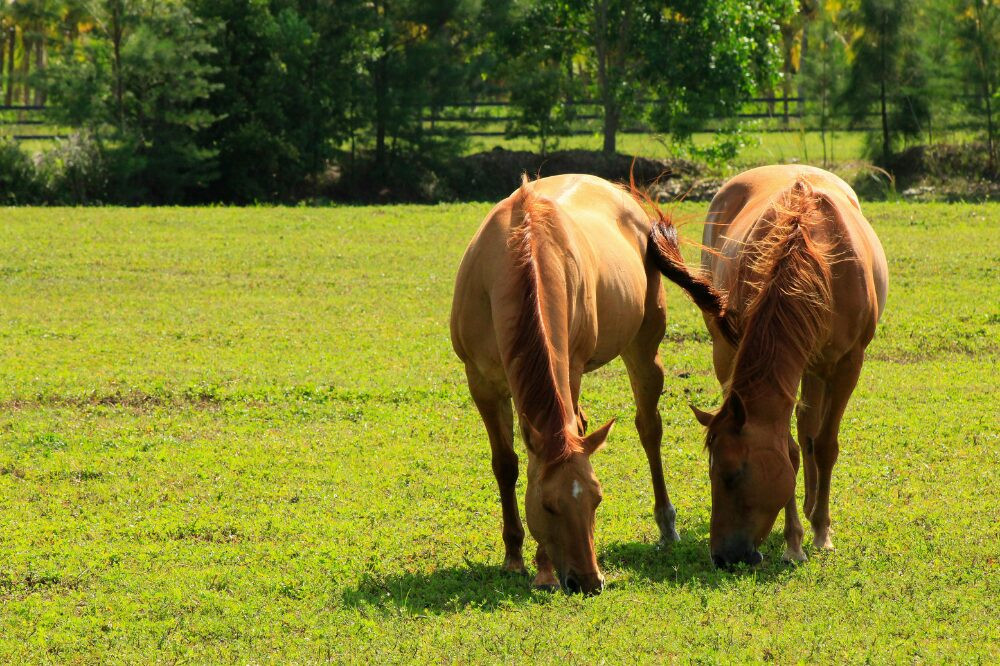
- There are well-documented, obvious signs of laminitis, including hesitancy or refusal to walk or turn, bounding digital pulses, and hot hooves. And it might be that PAL comes on like a surprise thunderstorm, or you may only get the slightest hints of trouble.
- Prevention and early intervention are the best ways to help your horse avoid a terrible fate.
What you may see
- Many horses will come in from grazing acting a little tender-footed. This may also happen after a farrier visit. This soreness, even mild, is your first clue that something is brewing.
You may also see:
- Short, stiff stride
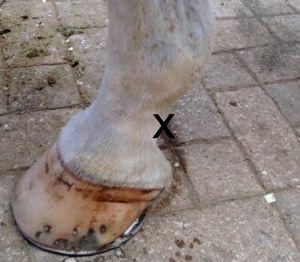
- Heat in the hooves
- Strong digital pulse
- Reluctance to move
- Shifting weight from foot to foot or not shifting at all
- Obvious lameness
- Standing with front feet stretched out or rocking back onto the heels
- Difficulty turning
- Increased heart rate
- Increased respiratory rate
- Strong digital pulses
- Lying down more than normal
- A stretched white line
Stages of laminitis progression
- Laminitis progresses through several stages, and the outcome depends heavily on how quickly it’s addressed. Laminitis onset begins during the developmental stage, which occurs after the horse is exposed to a trigger. During this time, there are no visible symptoms, but damage is beginning inside the hoof.
- The next phase is acute laminitis, which is when the classic signs of pain, heat, and lameness appear. This is a critical window for intervention. If the inflammation can be controlled quickly, there is hope for healing and recovery.
- Prolonged damage inside the hoof can lead to founder when the coffin bone moves. Recovery and healing from this stage is long and arduous.
When to contact a veterinarian
- The unfortunate aspect of hoof trouble is that most conditions look the same. You may hope for an abscess, but it’s a bruise or hidden street nail. You could be thinking bruise, but it’s a quarter crack starting. All of these can also look exactly like laminitis, and all deserve prompt pain relief and a proper diagnosis.
- Call your veterinarian immediately. Time is of the essence, and there is not a vet on the planet who will mind a quick phone call from you. Equine laminitis is highly painful, and good outcomes are possible with early veterinary care.
- Your veterinarian will assess the situation, confirm the diagnosis, and develop a treatment plan. X-rays give your vet and farrier a place to start when discussing special shoes or trimming. Your farrier is crucial to helping your horse have proper foot support.
Risk Factors for Pasture-Associated Laminitis
- While any horse can get pasture-associated laminitis, certain risk factors make some individuals much more vulnerable. The majority of laminitis cases today are considered endocrinopathic, meaning they are linked to a hormonal or metabolic disorder.
Genetics and breed
- Breeds like Welsh ponies, Shetland ponies, Icelandic horses, Norwegian Fjords, and Morgans have a higher risk. Their genetics likely helped their ancestors survive in harsh environments with scarce food, making them very efficient at storing fat.
- Any other horse that has become an air fern or easy keeper is prone to metabolic disorders, too.
Age, weight, and body condition
- A horse’s age and weight are also important risk factors. Laminitis is most common in horses between the ages of 8 and 18, but older horses are also at increased risk, partly because conditions like PPID become more prevalent with age.
- Excess weight is a major contributor. Obesity puts extra mechanical strain on the laminae and is closely linked to insulin resistance. Horses with a high body condition score or abnormal fat deposits, like a cresty neck, are at high risk, too.
Metabolic disorders such as PPID and EMS
- Two specific health conditions dramatically increase a horse’s risk for laminitis: Pituitary Pars Intermedia Dysfunction (PPID) and Equine Metabolic Syndrome (EMS).
- PPID, often called Cushing’s disease, is common in older horses. The pituitary gland malfunctions and starts a hormonal cascade, including ACTH and cortisol, which trickle down to increase insulin, too. While PPID can often create muscle wasting and topline loss that looks like weight loss, insulin resistance is possible with PPID.
- EMS is a condition characterized by obesity, abnormal fat deposits, and insulin resistance. Many horses with EMS develop laminitis, which then alerts the owner to potential problems.
- It is easy for your vet to help determine your horse’s metabolic status. Simple exams and routine bloodwork will signal these conditions before obvious signs (like laminitis) are staring you down. Any small investment in a vet visit is worth the opportunity to prevent heartache and vet bills from full-blown pasture-associated laminitis.
Management Strategies to Prevent Laminitis
- The good news is that pasture-associated laminitis is largely preventable. The goal is to control their intake of sugar-rich grass and, by extension, high-sugar and high-starch grains and hay.
- These prevention strategies all focus on lifestyle and diet changes to lower your horse’s risk.
Pasture access and grazing muzzles
- Controlling your horse’s access to pasture is the most direct way to prevent laminitis. This doesn’t necessarily mean they can never go out on grass again, but it does require careful planning.
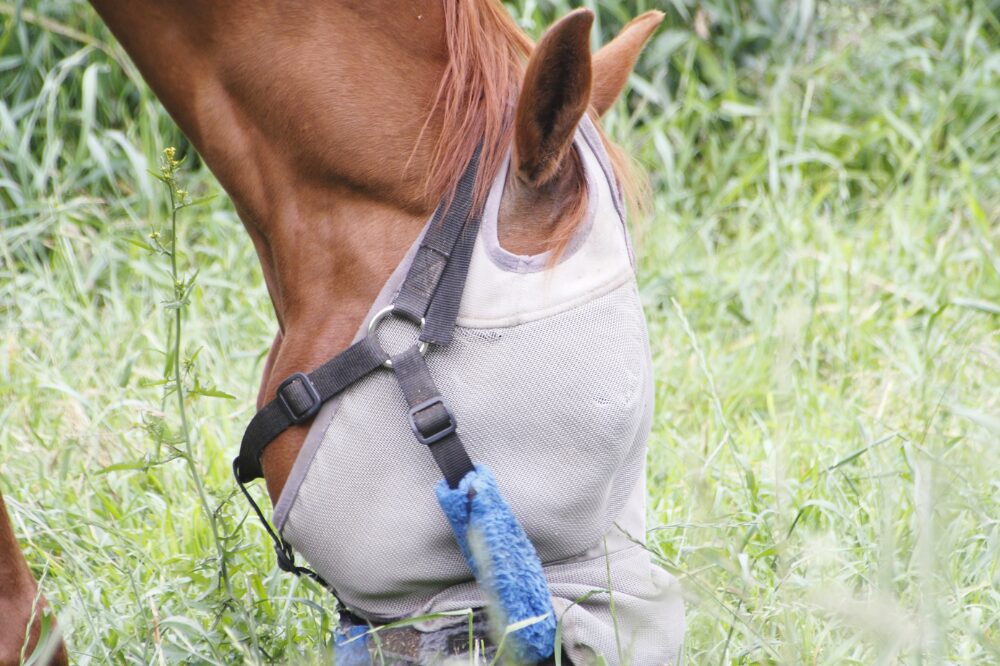
- One of the most effective tools is a grazing muzzle. A muzzle can reduce a horse’s grass intake by 30 to 80%, depending on the style, while still allowing them the benefits of turnout, movement, slow feeding, and social interaction.
- Alternatives for extremely high-risk horses include a dry lot or a track system, especially during high-risk times of day and season.
- Timing is also crucial. Since grass sugar levels are lowest in the early morning in the summer, turning horses out from about 3 a.m. to 10 a.m. is the safest time of day.
- Give them plenty of hay before turning out on grass. You want them to have a traffic flow of forage to help any speedy sugars from going too fast.
Feeding Practices and Nutrition Tips
- Nutritional risk factors can be relatively simple to change. In many cases, the overwhelming number of bagged feeds and supplements quickly narrows down when it comes to sugar content.
- Even when not grazing, your horse’s overall diet should be low-NSC. This includes hay, grains, feeds, and supplements. Ideally, the NSC value of everything stays below 10-12%.
- Stick to lower NSC value hays, like Teff, Bermuda/Coastal, or stemmy Orchard or Timothy. Generally speaking, the stemmier and less leafy a hay, the lower the sugar and higher the fiber content is.
- Alfalfa is also lower NSC, but has more calories and may not be the best for an already overweight horse, although it’s often beneficial to mix hay types in a diet.
- Use slow feeders for everything – muzzles for pasture, hay nets or other slow feeders for hay, and specialty feeders for grains and pellets.
This detailed scientific article outlines feeding methods.
Soaking hay
- The simple process of soaking hay before feeding can reduce the NSC value. In warmer weather, it may get rancid quickly, so stay alert for that as you soak and after you feed.
- Hay steamers are another option, but they will not reduce the NSC content as much as soaking. Estimate 30% lower NSC values after soaking, but only 3-15% after steaming.
Other tips for preventing PAL
- Track your horse’s weight. Noticing trends in weight gain or loss can alert you to overall health concerns, including metabolic disorders.
- Take your horse’s vital signs daily, including their digital pulse on all four legs.
- Keep your horse moving often and eating slowly.
- Work with an equine nutritionist to create a low-NSC value diet that may also include specific supplements for metabolic disorders and easy keepers.
- Rotate pastures before they become over-grazed. Mow pastures before they go to seed.
- Be flexible in your turnout schedule, opting for grazing when the temps and sunshine are not ideal for photosynthesis. This will vary by season, too.
Treatment Options for Horses with Pasture-Associated Laminitis
- If your horse develops PAL, a swift and aggressive treatment plan is essential to manage pain and prevent further damage. The primary goals are to reduce inflammation, manage pain, and support damaged structures within the hoof to prevent founder.
Immediate care
- At the first hint of trouble, call your veterinarian for a diagnosis and plan. This gives your horse the best chance for pain relief and a swift recovery with minimal damage.
- Ice the hooves. Not only does this reduce inflammation, but it also reduces pain. Many vets may also suggest icing the lower legs to cool the blood going into the hooves.
- Have your vet do radiographs. X-rays help with diagnosis, provide your farrier with as much information as possible, and give a baseline from which to compare future radiographs to track healing.
- Any horse with suspected laminitis should not eat food with high NSC levels. Make immediate changes, such as removing grains, grass, and supplements, while working on a long-term, low-NSC diet.
- Find the best supportive care that your vet and farrier recommend. Aside from possible trims or specialty shoes, supportive boots can give much-needed comfort. Ultra squishy boots can boost comfort.
Implementing effective management strategies, such as controlled grazing, nutritional adjustments, and regular veterinary check-ups to monitor horse health, can significantly reduce the likelihood of PAL. Also, memorizing your horse’s body, vital signs, and behaviors can alert you to possible medical issues. While the causes of laminitis are many, most cases involve food and metabolism. And working with your vet to understand the horse’s diet, risk factors, and metabolic health goes a long way to preventing laminitis.


- Easyboot Rx2 by Easycare, Inc.
- Lightweight therapy hoof boot
- Integrated midsole
- Rocker bottom is made of rubber
- Easy on and off with a hood and loop closure strap


Take the heat out, reduce inflammation, help prevent long-term damage, and dress your horse in cute colors after a ride.

For added squish during laminitis or other painful hoof trauma.

Support and softness for laminitis and other painful hoof conditions.


This supplement for metabolic disorders is vet recommended and has science to back it up!

This supplement helps high-laminitis risk horses and has calming ingredients like magnesium.


Basket-style grazing muzzle to help keep a horse at a healthy weight and help reduce the risks of colic and laminitis in some horses.
Use code 15PROEQUINE for savings sitewide on muzzles, halters, slow feeders, and more.

Help your horse have the best-fitting grazing muzzle.
Use code 15PROEQUINE for a site-wide discount on halters, muzzles, slow feeders, and accessories.

These grazing muzzle halters have adjustable throat latches and extra strapping to help prevent removal.
Use code 15PROEQUINE for a sitewide discount on muzzles, halters, accessories, and slow feeders.

The gold standard for stinging hooves and anytime you need to pack the hooves.


If hooves are your jam, this book is for you.


2 sizes of this slow-feeding hanging hay toy - snack size holds a few flakes, and the half size holds 1/2 bale. There's also an XL that ground feeds.
Use code 15PROEQUINE for sitewide savings on slow feeders and more.

One side of this innovative slow feeder is solid - perfect for pastures! It will hold a small bale of hay.
Use code 15PROEQUINE for sitewide savings on slow feeders and more.