Even if you never plan to body clip or trace clip your horse, it’s still important for them to learn that clippers are harmless and not something to fear. For many horses, getting comfortable with the sights, sounds, and vibrations of clippers can take weeks or even months. A nervous horse should never be forced into compliance, especially when clipping is necessary for their health or comfort. In these cases, sedation for clipping may be the safest and most compassionate approach.


You May Never Plan on Body Clipping
- When a horse’s coat matches the weather, and excessive sweating and skin infections are kept at bay, there’s no reason to body clip or trace clip. Sometimes you may want to clip for a horse show or clinic, but for the most part, fall and winter give your horse the perfect coat for their lifestyle.
- And just like trailer loading, clipping is an equine event, if you will, that may never happen, but every horse should be prepared for.
- Whether you’re treating wounds, managing mud fever or mites, addressing skin infections, or preparing for clipping, a clean, hair-free area is essential. Sometimes, a horse that’s moved from a cooler climate to a warmer one will keep its heavy coat, or a metabolic condition may cause thick hair growth even in summer.
- If they already fear clippers, using force will only deepen that fear and put both horse and handler at risk. In these situations, sedation for clipping can make the process safer and less stressful for everyone.

Sedation as The Safe Alternative
- The primary reason to sedate before any procedure is to keep you safe and help the anxious horse. Nervous horses are more likely to hurt you or themselves, and any negative experience will reinforce their fears, making future sessions more challenging.
- Boosting relaxation with sedation for clipping has many benefits:
-
- The whole safety factor
- You have a non-wiggling horse that makes clipping fast and easy
- You can focus on the task at hand instead of monitoring your horse’s behaviors and reactions
- There is no additional clipper trauma
- Future clipper desensitization is easier

Sedation vs. Anti-Anxiety Medications
- There are potential risks with any medications for your horse, and discussing these with your vet is always best.
- Equine sedation means your horse will lose awareness, become sleepy, and physically relax. Some examples are xylazine and detomidine. These meds are common for veterinary procedures. In many cases, an equine veterinarian will combine a sedative with pain medications.
- Common sedation medications allow for standing procedures, like dental work, wound treatment, and some surgical procedures. General anesthesia carries greater risks and doesn’t allow the horse to remain standing for medical procedures.
- Anti-anxiety medications reduce fear, usually without drowsiness. Most equestrians know acepromazine. Horses can still respond to their environments and experiences with ace, as the underlying fight-or-flight reactions of prey animals remain.
- Some medications, like benzodiazepines, are considered part of the anesthesia protocol for adult horses but sedatives for foals. These meds increase the effect of GABA in the brain, and these neurotransmitters produce a calming effect.
Meds for clipping
- For clipping, it’s often best to work on a sedated horse as this offers them the least traumatic experience. Anti-anxiety medications are best to support ongoing positive reinforcement training techniques to help reduce the initial fears while allowing for good experiences.
- Your horse may need a combo of fast sedation for clipping, with some touch-up anti-anxiety meds during the step-by-step positive reinforcement training. You will find (hopefully soon) that your horse’s response to positive reinforcement negates the need for long term use of medications.
- You can also look into the calming effects of supplements, which have merit but won’t work nearly as well as the use of sedatives or prescription medications.
Common types of allergic reactions and other risks
- Any food, environmental factor, medication, or topical treatment can become an allergen. With sedatives or anti-anxiety medications, you may see any of the following:
-
- Hives (urticaria)
- Swelling
- Wheezing from tightening airways
- Spastic movements, muscle tremors, and frantic behaviors
- Swaying or stumbling (ataxia)
- Lowered heart rate or other cardiovascular problems
- There’s a risk of priapism (constant erectile condition) in stallions and sometimes geldings with the use of acepromazine.
- Current recommendations indicate that vets, not the horse owners, administer sedation in case of a reaction. They will be close by should an adverse reaction occur, and time matters in cases of horse health.
The risks surrounding injectables
- Intravenous sedation (IV) involves medications delivered directly to the jugular vein. If this vein is missed, those meds can go on a carotid artery travel itinerary directly to the brain and cause irreparable damage.
- For these reasons, it’s safest for your vet to administer sedation.
Game plan with your veterinarian
- Here are some things to consider when talking with your veterinarian about what sedation is best. Keep in mind that some medications will require your vet to be there. Others can be prescriptions that you administer.
-
- Are tablets or injectables best? Sometimes oral sedation is best if there’s a needle phobia, too.
- What’s the dose of the different options?
- What’s the intensity, and how long will the muscle relaxation and drowsiness last?
- Can you give more if needed, and if so, when?
- How long does it take to “kick in?”
- Do you feed before? What about after?
- What are some side effects or reactions you may see?
- How long will it take your horse to awaken fully, and when is it safe to turnout?
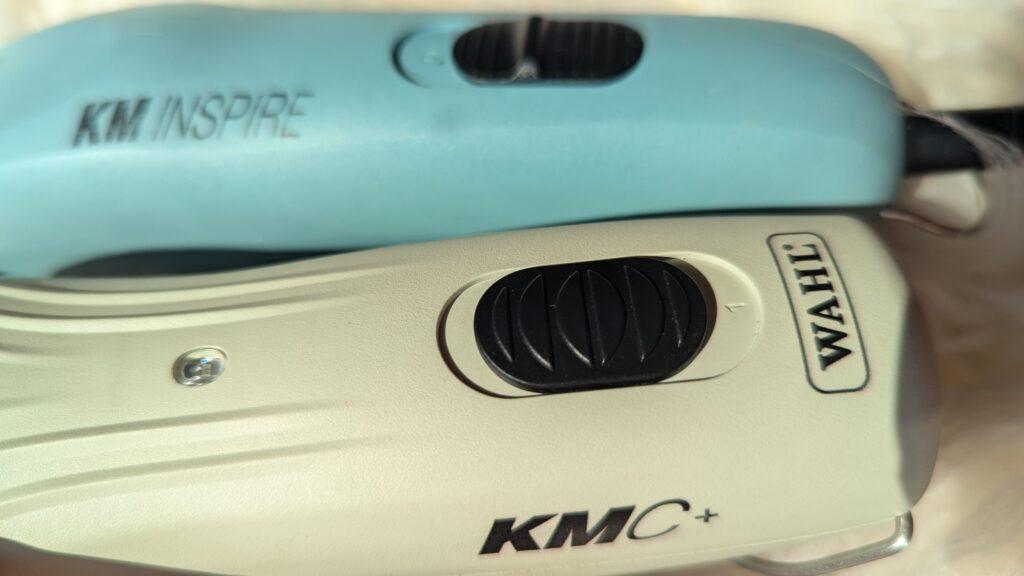
Clippers are a must for any grooming box and first aid kit.
The goal – clip without sedation
- Eventually, the goal becomes your horse and the clippers being besties. They should see the clippers and want to take them from your hands because it’s such a good experience. But you need to work through some baby steps to get there.
- The first is to identify what your horse is afraid of. Could it be:
-
- The sound
- Vibrations from the clippers
- The cord
- Your clipping technique
- What are they afraid of? Desensitize to that.
Work on desensitizing your horse for future clipping sessions
- It’s quite simple to desensitize your equine partner kindly. But first, a few “rules.”
- Work on this for a few minutes a day over weeks, or longer.
- Pair actions with kindness and a reward – a treat, a scratch, whatever they like.
- Work in steps. Go back to the previous steps if training stops or goes backward. The point is to build confidence and teach your horse that clippers = reward. It’s that simple.
- The first step is to keep the clippers nearby and reward your horse for noticing them. Keep at it until the sight of clippers means, “Ah yes, snacks are coming.”
- Next, flip the switch. Let them hear that buzzing sound, reward generously, and repeat until they realize the noise doesn’t signal impending doom.
- Then, touch your horse with the off clippers over a big muscle area—shoulder, hindquarters, wherever there’s room to spare. Reward and repeat until they stay relaxed.
- Now turn them on and let the vibrations run across your horse’s body. Reward (again), repeat (again), and continue until they decide clippers are basically a spa massage with snacks.
- And finally—clip away!
Sedation for clipping may be necessary for safety and peace of mind, and in the meantime, work on kindly desensitizing and making the clippers a positive experience.


Frequently Asked Questions


This book is a wonderful, step-by-step guide to helping you "clicker train" your horse with positive reinforcement.

Why would you do it any other way?
Use code LIV at wahlpro.com for savings!
- Includes #10 wide Prime blade
- LOCKGUARD technology for secure blade hold
- Two speeds (3,000 & 3,700 RPMs)
- Two lithium-ion batteries, up to 3 hours each
- Wide blade version of the KM Supera

Use code LIV for savings at wahlpro.com
- Upgraded brushless motor (3,700 & 4,500 RPMs)
- Textured housing for secure, comfortable grip
- Constant Speed Control powers through thick or matted coats
- Corded + cordless use with quick-charge battery
- Up to 2 hours cordless runtime