Health and Well Being

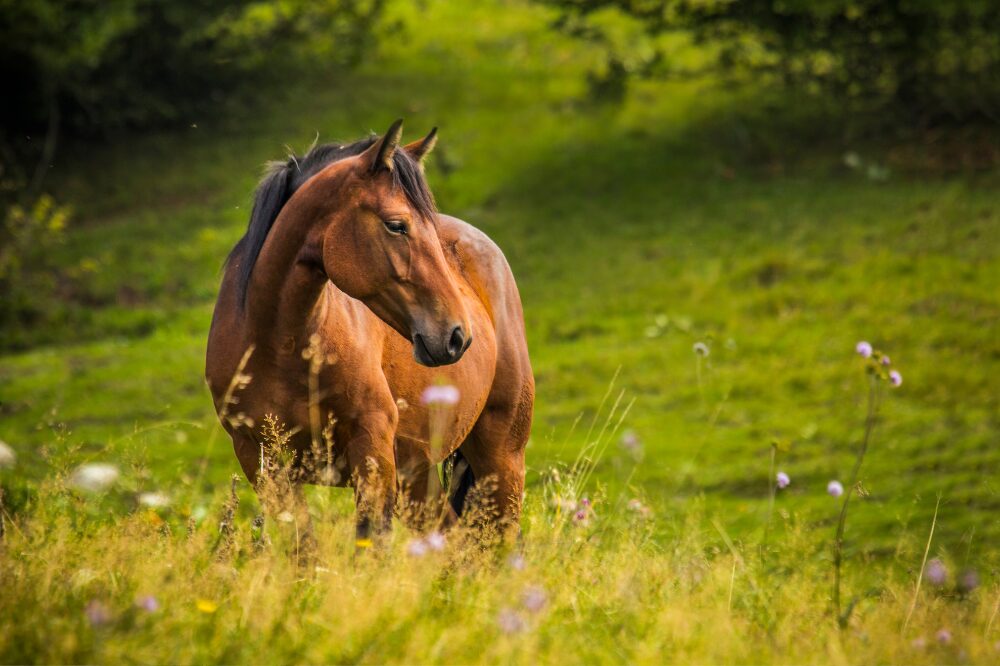
horse looking sideways while standing in a field with grass and wildflowers

Spring Vaccines for Horses

Spring brings a higher risk of infectious disease exposure, making timely vaccination an important part of seasonal horse care. Planning ahead helps support stronger immunity before mosquitoes and travel-related contact increase disease spread. Many veterinarians recommend combining vaccinations with a full wellness exam to evaluate overall health and catch issues early. Tailored vaccine plans based on lifestyle, age, and location help keep horses protected throughout the year.

Spring Vaccines for Horses Read More »

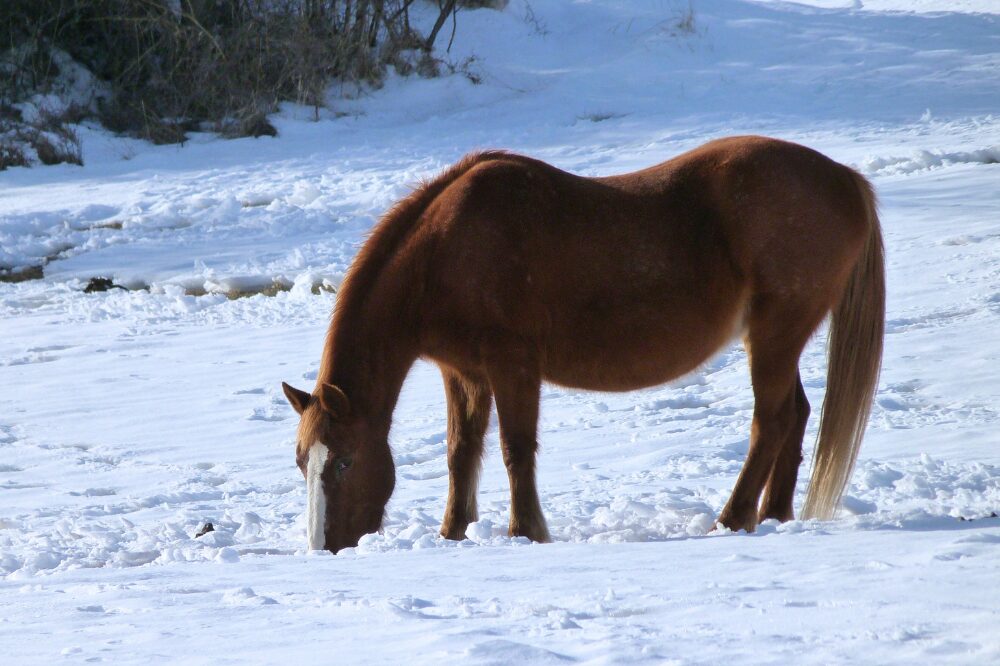
herd of horses standing in muddy pasture that is brown and overgrazed

Brown Grass for Horses

Brown pastures are often assumed to be safer for grazing horses, but dormant forage can still contain significant sugar levels. Seasonal stress from drought, frost, or overgrazing changes how grass stores carbohydrates, which directly affects equine health. Metabolic horses, including those with EMS or PPID, face greater risks when grazing stressed fields. Careful management, slow feeding strategies, and thoughtful dietary adjustments help protect horses during periods of pasture dormancy.

Brown Grass for Horses Read More »

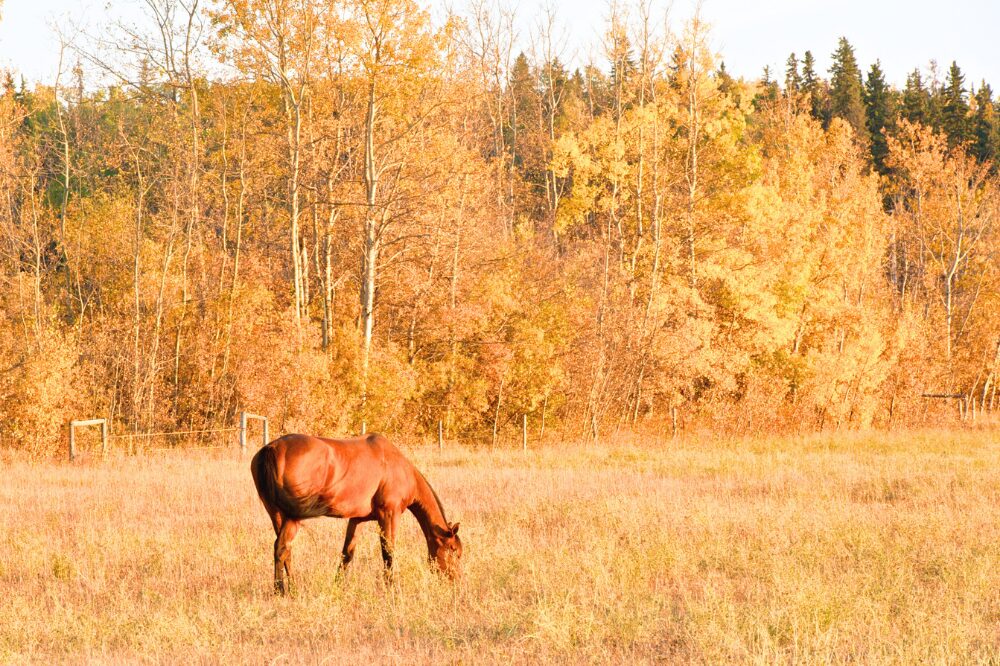
chestnut horse grazing on golden grass with fall trees

Fall Horse Care Tips

As autumn arrives, horse owners face a range of seasonal challenges. From shifting diets and grooming thicker coats to updating health checks and hoof care routines, fall horse care is all about preparation. By adjusting nutrition, monitoring weight, managing turnout, and winterizing the barn, you can help your horse stay comfortable, strong, and resilient as the temperatures drop.

Fall Horse Care Tips Read More »

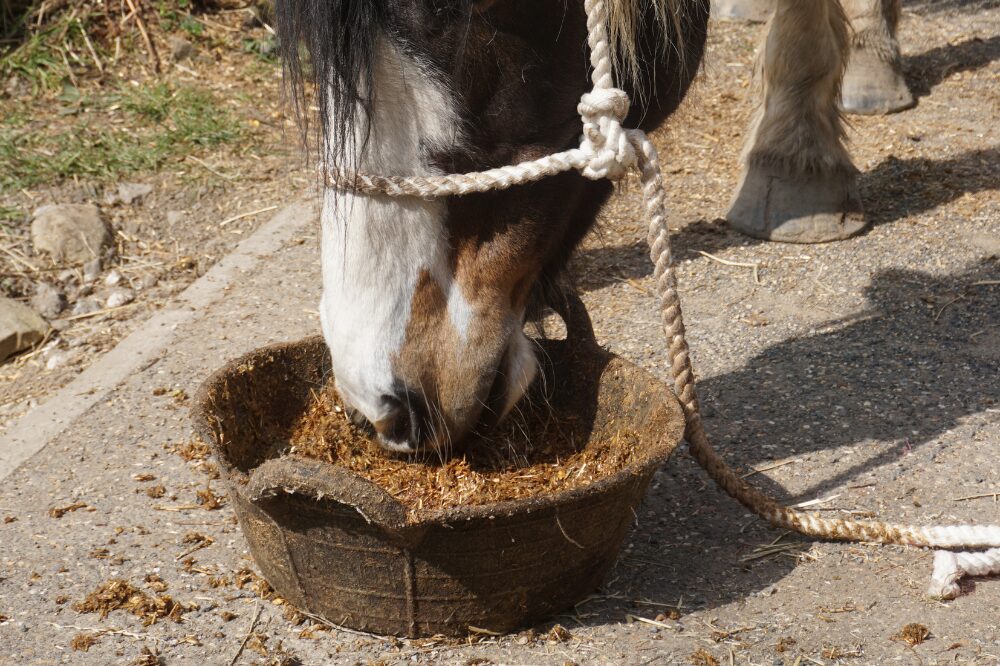
horse with big blaze and rope halter eating grain from a shallow rubber bowl

Garlic For Horses – Use Caution

Garlic is often added to horse diets for benefits like insect control, immune support, or parasite prevention, but science tells a different story. Research shows that garlic for horses can contribute to anemia, even at low doses over time. While many horse owners seek natural solutions, understanding the risks and lack of proven benefits helps guide healthier and safer feeding decisions.

Garlic For Horses – Use Caution Read More »

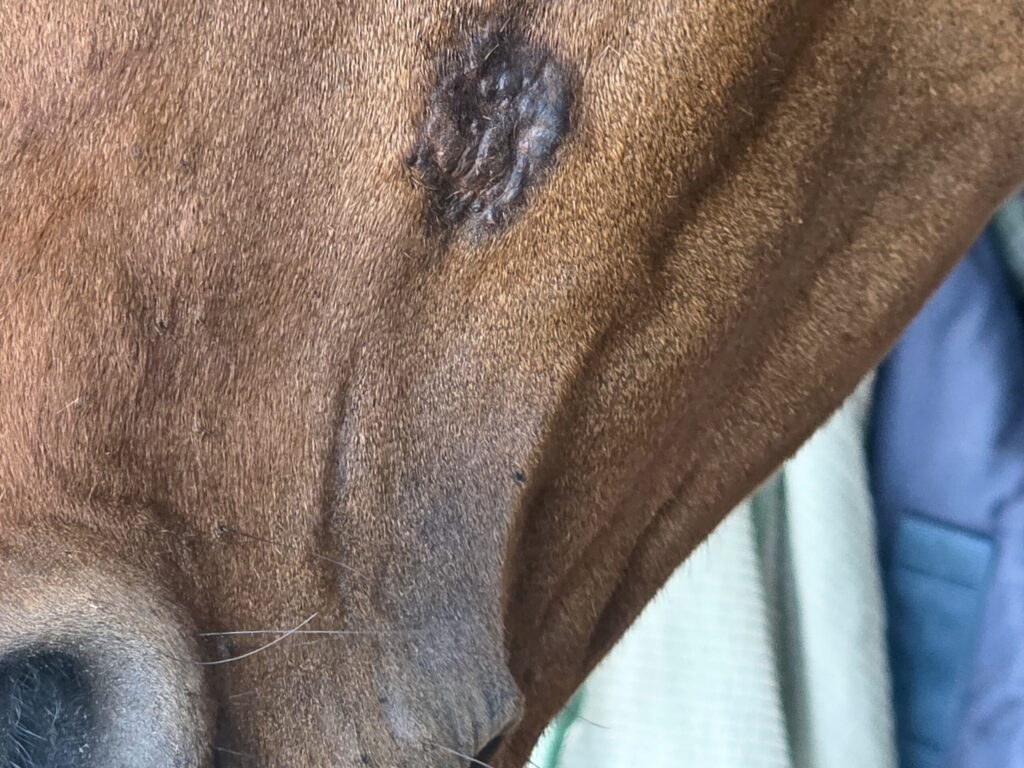
close up of sarcoid on horse's face near the nostril

Sarcoids on Horses

Sarcoids on horses are the most common type of equine skin tumor, often linked to the bovine papillomavirus. They vary in size, shape, and severity, and while not life-threatening, they can cause discomfort and impact quality of life. Learning the types, risk factors, and treatment approaches equips horse owners to work closely with their vet for effective management.

Sarcoids on Horses Read More »

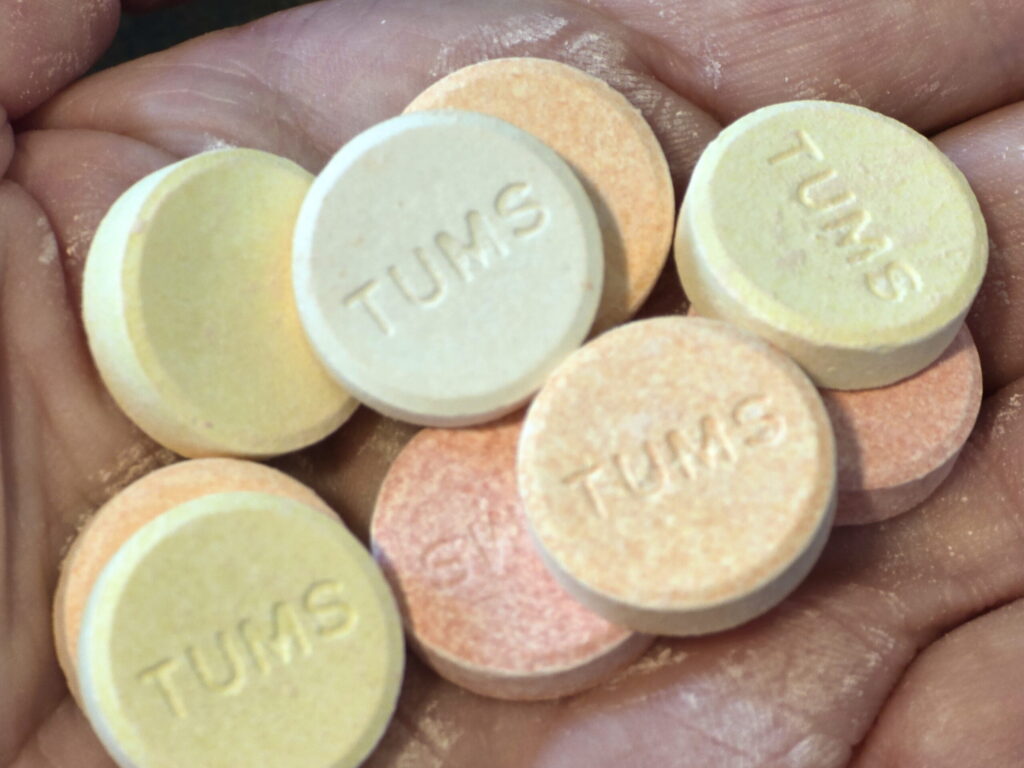
tums antacids in a palm

Antacids for Horses – Are They Worth It?

Horses commonly suffer from gastric ulcers, and managing stomach acid is a frequent concern for horse owners. Antacids for horses may provide temporary relief by neutralizing acid, but they do not address the underlying causes of ulcers, such as an empty stomach or high-stress feeding schedules. Effective prevention and treatment often rely on diet changes, small frequent meals, forage, and veterinary-guided medications rather than human antacids like TUMS.

Antacids for Horses – Are They Worth It? Read More »

pulsed electromagnetic coils on a horse's back

PEMF for Horses

PEMF for horses is gaining attention as a non-invasive therapy that may support equine health and healing. Pulsed electromagnetic field therapy for horses is thought to improve circulation, reduce inflammation, and aid recovery in tissues ranging from bone to cartilage. While research is ongoing and results are mixed, horse owners and veterinarians are exploring its potential role in managing injuries, soreness, and long-term conditions.

PEMF for Horses Read More »

Scroll to Top