Spring is a critical period for horse owners to update their horse’s vaccines and prepare for the months ahead. A well-planned spring vaccination schedule helps protect your equine companion from potentially serious diseases. The established guidelines for spring vaccines for horses cover both core and risk-based vaccinations to keep your equine partner healthy and happy. Most equine veterinarians pair vaccinations with a wellness exam, a Coggins test, and sometimes a lameness exam.
Key Highlights
- Spring vaccination is essential for immune system health before the peak season for infectious diseases.
- The core vaccines recommended for all horses in spring protect against West Nile Virus, Tetanus, Rabies, and Eastern/Western Equine Encephalomyelitis.
- Risk-based vaccination is determined by factors such as travel schedule, geographic location, and potential exposure to sick equines.
- Integrating spring vaccination with an annual wellness exam allows your veterinarian to conduct a comprehensive health assessment.
- While vaccines are safe, be aware of potential minor side effects, such as soreness or a mild fever, and know when to contact your vet.
- Always consult official vaccination guidelines from sources like the American Association of Equine Practitioners (AAEP) to create a tailored plan.

Importance of Spring Vaccines for Horses
- Summer is peak season for many infectious diseases, many of which are transmitted by mosquitoes, and vaccinating in spring gives their immune systems time to build protection. This also builds your horse’s immune system before shows and other potential sources of disease exposure.
- As stewards of our equine partner’s health, vaccines are one way to keep the individual and herd safe.
Common Core Vaccines Horses Need in Spring
- Core vaccines are considered essential for every horse, regardless of their age, breed, or lifestyle. The American Association of Equine Practitioners (AAEP) considers these necessary because they protect against viral diseases common to a region, highly contagious, or of public health significance, such as rabies. These diseases can cause severe illness or even death, making vaccination a critical preventative measure.
- These vaccines have a high degree of safety and effectiveness, providing significant benefits with a low level of risk.
Protection Against Major Equine Diseases
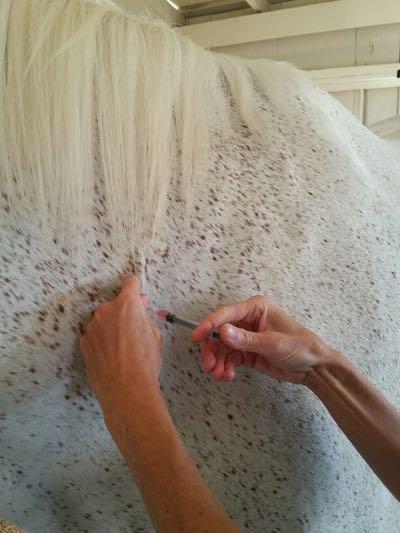
- The most devastating equine diseases have vaccines that help prevent tragedy and possible infection across a herd. Mosquitoes and wildlife are key transmission vectors, and protection against many conditions they cause is vital in the springtime.
- Your horse needs protection from:
-
- West Nile Virus (WNV): A mosquito-borne virus that can cause severe and often deadly neurologic disease.
- Eastern/Western Equine Encephalomyelitis (EEE/WEE): Mosquito-borne viruses that cause inflammation of the brain and spinal cord and are frequently fatal.
- Tetanus: Caused by the bacterium Clostridium tetani, which enters the body through wounds and produces a potent neurotoxin.
- Rabies: A fatal neurological disease transmitted by the bite of an infected animal, such as a skunk or raccoon. A veterinarian must administer the rabies vaccine. Rabies is also zoonotic, meaning it can be transmitted to humans. Once symptoms appear in any warm-blooded animal, there is no hope of recovery, and death is certain.
- While not always considered a core vaccine, protection against equine influenza and equine herpesvirus is also common, especially for horses that travel or interact with others.
Read more about mosquito-borne diseases here.

Risk-Based Spring Vaccines for Horses
- In addition to the core vaccines, risk-based vaccines rely on your horse’s lifestyle, geographic location, and potential risk of exposure to specific conditions to determine necessity.
- There is no definitive plan for risk-based vaccines. A horse that lives in a pasture and never leaves the property has a very different risk profile than a show horse that travels frequently. An individualized approach to spring vaccines for horses is key to providing appropriate protection.
Risk-based vaccines
- These conditions and the necessity for vaccination will vary. Your vet can assess the risks and give you a comprehensive plan.
Equine influenza
- Equine influenza is a highly contagious viral respiratory disease that spreads quickly through coughing, sneezing, and close contact. It usually causes fever, a dry cough, nasal discharge, and fatigue, and horses can continue shedding the virus for a week or more after infection.
Read more about equine influenza here.
Equine herpesvirus (rhinopneumonitis)
- Equine herpesvirus, often called rhinopneumonitis, commonly causes respiratory disease, especially EHV-1 and EHV-4. EHV-1 can also lead to abortion, foal death, and deadly neurologic disease, and the virus can remain latent and reactivate during stress. Outbreaks of this at horse shows are dangerous, as the virus spreads when everyone returns home.
Strangles
- Strangles is a very contagious bacterial infection caused by Streptococcus equi that affects the upper respiratory tract. It typically causes fever, thick nasal discharge, swollen lymph nodes, and abscesses around the throat and jaw that may rupture and drain pus.
Equine viral arteritis
- Equine viral arteritis is a contagious viral disease that affects the respiratory, reproductive, and circulatory systems of horses. Signs can include fever, swelling, nasal discharge, or loss of a foal in utero. Stallions can become long-term carriers of the virus. It’s spread through respiratory droplets and semen.
Leptospirosis
- Leptospirosis is a bacterial disease that can affect horses and is often associated with reproductive problems, eye disease, or kidney involvement. Because it can spread through contaminated urine or water, prevention often focuses on reducing exposure risk and vaccinating horses in higher-risk areas.
Botulism
- Botulism is a potentially fatal toxin-mediated disease caused by bacteria that can lead to progressive weakness and paralysis. It is often linked to contaminated feed, hay, or carcass material, and vaccinated horses in higher-risk feeding situations (like round bales) may have better protection.
Anthrax
- Anthrax is a serious bacterial disease that can cause sudden illness and death. It is typically associated with contaminated soil or feed, and because it can also affect people, suspected cases require immediate veterinary and public health attention.
Potomac horse fever
- Potomac horse fever is an infectious disease that can cause fever, diarrhea, colic, and, in some cases, laminitis. It is often seasonal and linked to exposure to infected insects or waterways, so risk rises in certain geographic areas along the East Coast and at certain times of year.
Rotaviral diarrhea
- Rotaviral diarrhea is most common in foals, causing watery diarrhea and dehydration. It spreads easily in foaling environments, so hygiene, isolation, and vaccination of broodmares in some programs are important prevention tools.
Snake bites
- Snake bites in horses are emergencies that can cause pain, swelling, weakness, and, in some cases, breathing or circulation problems, depending on the snake species and bite location. Rapid veterinary care is important to control shock, swelling, or tissue damage. There are vaccines available that stimulate antibody development, so that in the event of a bite, the damage may be less severe.
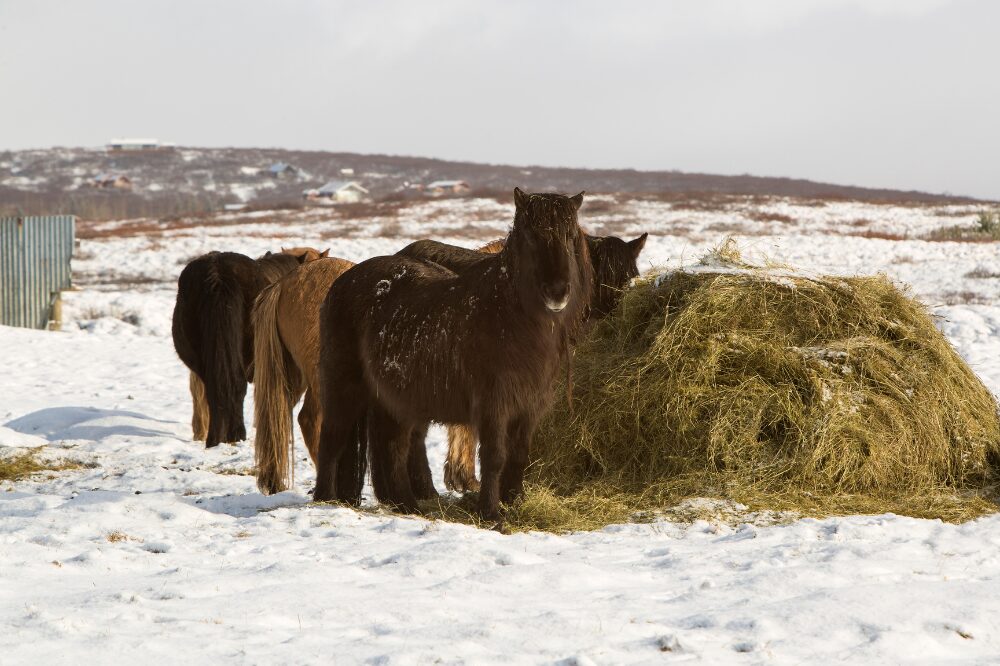
Horses that eat from round bales (at any time of year) need vaccination against botulism.
Location Matters for Risk-Based Spring Vaccines for Horses
- Geography: Certain diseases are more prevalent in specific regions. For example, Potomac Horse Fever is common near waterways in the Mid-Atlantic states, while Venezuelan Equine Encephalomyelitis (VEE) is a concern in areas bordering South America.
- Tick-borne diseases may also vary by location. While there is no Lyme vaccine for equines (yet), many vets will administer the canine Lyme vaccine off-label to horses to provide some protection against tick-related illnesses.
- Travel: Horses that travel to shows, competitions, or new boarding facilities come into contact with many other horses, increasing their exposure to respiratory diseases like equine influenza and strangles (Streptococcus equi).
- Exposure to other horses: Even at home, introducing new horses to the herd without proper quarantine increases the risk of disease transmission.
Age and Health Considerations for Risk-Based Vaccines
- Age and overall health status are critical factors when creating a vaccination plan. The needs of young foals, pregnant mares, and senior adultscan differ significantly. An individual horse’s immune system and potential for exposure change throughout its life, requiring adjustments to its vaccination protocol.
- Your veterinarian will consider these life stages to minimize risk and maximize protection, especially given the severity of the disease in vulnerable populations.
- Young Foals: Foals receive initial antibodies from their mother’s colostrum, which can interfere with vaccines. Their vaccination series typically begins at 4-6 months of age, once these maternal antibodies have faded.
- Pregnant Mares: Vaccinating pregnant mares 4-6 weeks before they give birth boosts the antibodies in their colostrum, providing crucial passive immunity to their newborn foals. Specific vaccines, like those for rotavirus and equine herpesvirus, are timed during gestation to prevent abortion or illness in the foal.
Senior horse considerations
- Senior horses or those with compromised immune systems may also require a modified schedule to ensure they are adequately protected without unnecessary stress. It’s not uncommon to spread out vaccinations, especially if there have been previous reactions.
- It was believed that seniors had stronger immune systems after years of vaccinations, but we now know that the opposite is true. Senior equines have fading immunity, and thus still need regular vaccines.
Read more about risk-based spring vaccines for horses here.
Spring Wellness Exam and Horse Vaccination
- Pairing your horse’s spring vaccinations with a comprehensive wellness exam is a smart and proactive approach to equine health. This annual visit is the perfect opportunity for your veterinarian to conduct routine health check-ups and administer vaccines in a single appointment. It allows for a thorough evaluation of your horse’s overall condition, ensuring they are healthy enough for vaccination.
What to expect for an equine wellness exam
- Your vet will likely examine your horse, noting these things, in the spring:
-
- Vital signs
- Digital pulses in the legs
- Gut sounds
- Gum health
- Eye, ear, and nose exam
- Dental exam
- Your vet may also want to dig deeper, with these:
-
- Metabolic testing for PPID (Cushings) and equine metabolic syndrome
- Fecal egg count to estimate parasite load
- Body condition score/Weight estimation
- Lameness exam
- Teeth floating
- Sheath or udder cleaning, including bean removal

Coggins Testing and Equine Infectious Anemia
- A yearly Coggins test is required at many barns, especially at show barns, and for horses that travel or attend horse shows.
- This simple blood test screens for Equine Infectious Anemia (EIA), a devastating and incurable viral disease. Since there is no vaccine for EIA, testing is the only way to identify infected horses and prevent its spread. Those infected can be carriers for life, posing a risk to every other horse they come into contact with, even if no symptoms or signs of EIA are present.
- Horses testing positive but asymptomatic are required to be completely isolated from other equines, which makes for a cruel existence. Others do become ill, and in both cases, euthanasia is the kindest outcome.
Risks, Side Effects, and Monitoring After Spring Vaccines
- While spring vaccines for horses are very safe and effective, it’s important to be aware of potential risks and side effects. Most adverse reactions are mild and indicate that the immune system is responding to the vaccine. These effects typically resolve on their own within a day or two.
- When your veterinarian administers vaccines, they can treat any adverse reactions promptly, which is best for horses with a history of reactions. Your vet can also give medications before vaccinations to reduce side effects for sensitive horses.
Typical side effects to expect
- Some mild reactions that you may notice include:
-
- Soreness around the injection site
- Muscle stiffness
- Fever
- Decreased appetite
- Lethargic or not feeling like themselves
You may also see severe reactions, including:
-
- Hives
- Colic
- Diarrhea
- Trouble breathing (a sign of anaphylaxis)
- If you notice any of these, call your vet. Anaphylaxis is deadly, and any signs of trouble breathing are an emergency.
Steps for monitoring your horse post-vaccination
- For several hours, monitor your horse’s breathing and overall attitude. They should eat and drink like usual.
- For the next few days, take their temperature twice daily to monitor for fevers. For stiff or sore areas, a handwalk or turnout can help.
- Always check on the vaccination sites for heat, swelling, discharge, or a painful reaction when touched. Localized infections are possible.
- Get in touch with your vet if you notice any reaction, and they can offer tips on how to make your horse more comfortable.
Help your horse get ready for tick, mosquito, and show season with spring vaccines for horses. Your vet can also help your horse’s metabolic and dental health stay on track. It’s always nice to check off several boxes at once!


Go Shopping
Stock up here for your horse supplies! As an Amazon Associate, I earn from qualifying purchases, but it’s ZERO extra cents to you. As a Walmart Associate, I earn from qualifying purchases as part of their affiliate plan. I appreciate your support! You can also visit my Amazon storefront here: PEG storefront.


A thermometer is one of the best investments in your horse's health you can use.