

Colic in horses is always cause for concern. In winter, horses may be more likely to develop this digestive disturbance due to weather, reduced hydration, and reduced movement, among other factors. Colder temperatures inevitably mean their lifestyle and routines change, and it’s up to horse owners to take precautions to prevent colic. To avoid winter colic in horses, there are a few key things you can do.

Understanding Winter Colic in Horses
- Colic is the broad term for digestive upset in horses and has many causes. Weather changes, both sudden and gradual, affect equine health and may increase the risk of colic. As with emergencies in any season, signs of digestive pain can range from subtle to severe and should all be taken seriously. The first step is to call your vet for guidance.
- Impaction colics are common in winter because dehydration reduces the water required for the proper formation and passage of fecal balls, leading to impacted material in the gut. There are other types of colic, such as spasmodic colic or gas colic, caused by excessive gas.

Signs of Colic in Winter
You may see your horse:
- Pawing or stomping
- Sweating without an apparent reason
- Not eating
- Kicking at their belly
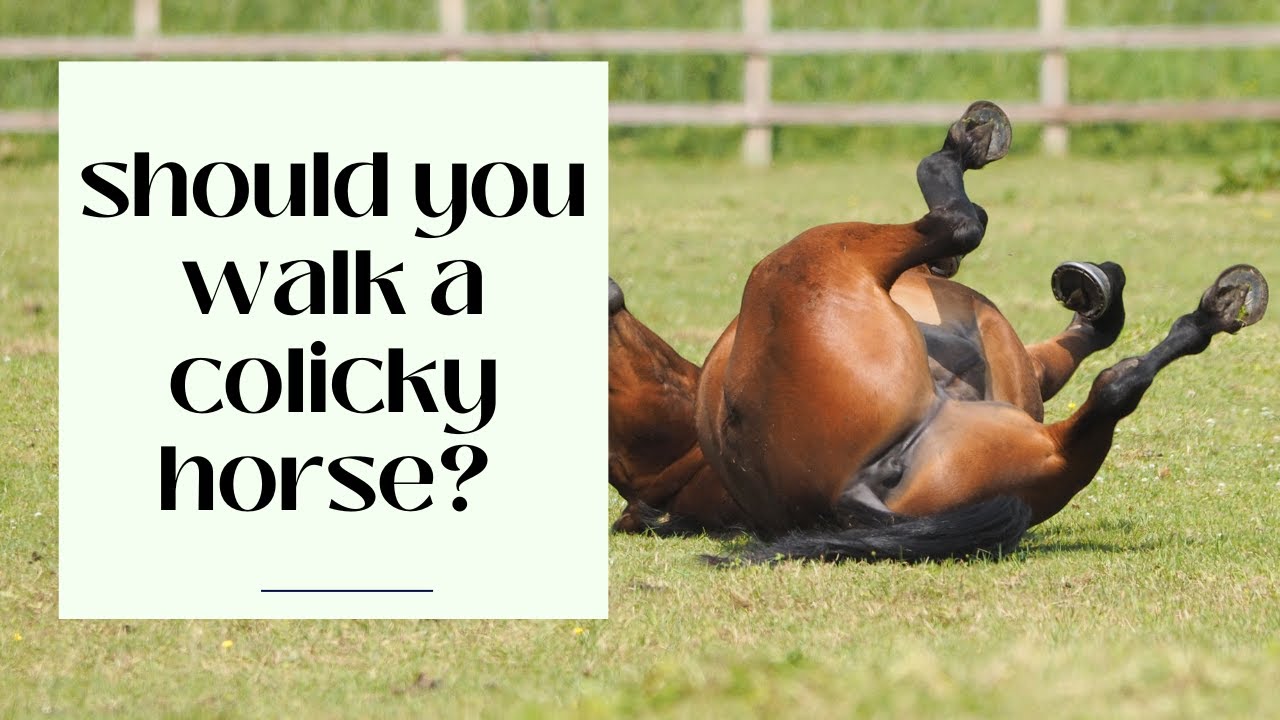
- Becoming restless – fidgeting, circling, repeatedly rolling
- Standing strangely – only a small percentage of colicky horses will park themselves out
- Strange or missing gut sounds
- Becoming lethargic
- Frequent urination, especially in small amounts
- Flicking their tails
- Changing their urination and pooping habits, you may also see changes to their manure
Check your horse’s vital signs. These invisible markers can also give you and your vet clues:
- Increased pulse and respiratory rates signal pain
- Increased digital pulses indicate hoof trouble, which can look like colic
- Changes to gum color
- Dry or sticky gums, indicating dehydration
Because these symptoms can also signal dozens of other conditions, it’s always a good idea to consult your veterinarian.

The Basics of Horse Colic Treatment
Managing colic first requires a call to your vet. Depending on the circumstances, your horse will need:
- Medications – for pain relief, cramping, bloating, etc.
- Nasogastric tube – to deliver electrolytes, water, mineral oil, or Epsom salts and to check for reflux
- Rectal exam – to feel for twists and impactions
- Intravenous fluids – to rehydrate
- Hospitilization – for constant care, surgery, or both
- There is no way to correlate your horse’s behavior with the severity of colic. Surgical cases do not always thrash around, and mild cases may. The type of colic often determines the type of treatment and doesn’t always make sense with the severity of pain.
Key Factors Contributing to Winter Colic
- Three primary factors directly affect digestion in winter: hydration, movement, and consistent forage chewing. When winter weather affects how your horse eats, drinks, and moves, there’s an increase in risk factors.
Hydration in winter
- The most commonly cited method for preventing winter colic in horses is to maintain hydration. Cold weather means many equines don’t drink enough, which slows digestion and contributes to impaction colics by not forming soft fecal balls.
- Horses prefer cold water but may not drink enough. While they typically drink more warm water, it’s not always feasible to provide warm water at all times. It’s also hard to offer soaked hay in cold weather, as it may freeze before your horse can eat it all.
Reduced movement
- In many places, pasture grazing, turnouts, and access to safe footing in bad weather may limit the exercise, play, and physical activity grazing horses receive. When their bodies slow down, so does their digestive tract. Sometimes we require them to spend more time in the barn than usual, which also affects their bodies and reduces gut motility.
Winter feeding practices
- Winter inevitably means that pasture is less available or buried by snow. Sometimes this means our horses are not chewing regularly, and their diets shift from free access to meals. Not only is this a dietary change, but it can also influence gastric ulcers if the stomach isn’t constantly digesting forage.
- To address reduced pasture availability, increasing forage intake is beneficial. However, it’s drier than pasture, and your horse may require even more water.
- For hard keepers and senior horses, keeping weight on is difficult, and it’s tempting to increase calories by feeding more commercial feeds. While these can be great, feed many times a day in small amounts to avoid digestive issues.

Preventative Measures to Avoid Winter Colic in Horses
This is where you come in!
Ensuring adequate water intake
- Try these things to encourage your horse to drink more water:
- Offer warm water whenever possible. Thru heaters, bucket insulating wraps, and heated buckets are effective and prevent freezing.
- Add hot water to your horse’s commercial feeds and supplements. Making a mush is ideal for any dry feed, at any time of year.
- Provide electrolytes to stimulate thirst.
- Weather permitting, you can soak hay. This also reduces dust.
- Find your horse’s favorite water additive to create gourmet water. Use some grain, ground flax, Gatorade, apple juice, or other tasty treat to flavor buckets of warm water. Always keep fresh, unflavored water available as well.
Adjusting feeding routines
- You’ll need to ensure your horse has access to forage around the clock. This means:
- Slow feeders, and possibly more trips to reload them.
- Adding supplements to replace any found in pasture, like vitamin E and omega-3 fatty acids. Make changes to their supplement plan over the course of a week or two.
- Use electrolytes.
- Feed bagged feed and supplements several times daily in small portions. It’s best to feed them after forage. This ensures the stomach is full and slows digestion, thereby protecting your horse’s metabolism and hindgut.
- Feed more forage overnight than you usually would to boost chewing time, provide an internal heat source, and keep their brains busy.
Importance of regular exercise and turnout
- Even if your horse’s training routine goes on hiatus, movement is key to happy brains and happy hindguts.
- Turnout when it’s safe. Most horses will do just fine in bad, cold weather, provided they have forage, shelter, rain protection in case the shelter sits empty, and non-icy footing.
- Use slow feeders distributed across the turnout areas to encourage movement from one feeding spot to another.
- Engage your horse’s brain and body with groundwork, clicker training, lungeing, or any other activity that keeps their legs going. You would be amazed at how much training you can do from the ground.
- Hand walks are another way to keep you and your horse moving in winter. You’ll stay warmer, too.
Managing Equine Health to Prevent Cold Weather Colic
- Know what to look for to avoid winter colic in horses. You should know your horse’s resting vital signs (pulse, temperature, respirations, gums, and digital pulses) so you can assess your horse before they show signs of abdominal pain.
- This also means you need to know their urine and manure habits – and can monitor their fecal balls. It’s a warning if they are pooping less, the fecal balls are smaller, or the manure is drier than usual.
Recognizing early signs of distress
- Here are a horse’s typical vital signs at rest:
-
- Temperature – 99.5 to 101.5
- For foals, up to 102 is normal.
-
- Pulse (Heart Rate) – 24 to 40 beats per minute, although most horses are between 32 and 36.
- For newborn foals, 80 to 100 is normal, and 60 to 80 is normal for older foals.
-
- Respiration – 8 to 12 breaths per minute
- For foals, 60-80 breaths per minute
- Capillary Refill – approximately 2 seconds
- Gums should be pale pink and slippery. Dry or sticky gums are a sign of dehydration.
- Digital pulses should be faint or non-existent. Stronger digital pulses indicate a hoof problem and become more noticeable or downright bounding when the blood flow to the hoof is compromised.
- Your objective to avoid winter colic in horses is to monitor their vital signs and observe changes in behavior, appetite, and manure. Make lifestyle changes slowly, experiment with your equine buddy’s favorite flavor of water, keep them moving, and insist upon hay 24/7.

Key Highlights
- Winter colic can be prevented by adjusting feeding routines and ensuring adequate water intake.
- Cold weather and reduced movement can increase the risk of colic during the winter months.
- Recognizing early signs of distress and monitoring horse health are crucial for preventing colic.
- Special care should be given to high-risk horses, including senior horses and those with a history of colic.
- Regular exercise, appropriate feeding, and veterinary care are key to maintaining gut health and preventing colic in horses.


FAQ’s


Every horse owner needs a digital thermometer for fast and accurate vital signs

Omega 3's plus gut health support in a delicious cold milled flax formula. It's delicious and it will turn your horse's coat into a mirror.


2 sizes of this slow-feeding hanging hay toy - snack size holds a few flakes, and the half size holds 1/2 bale. There's also an XL that ground feeds.
Use code 15PROEQUINE for sitewide savings on slow feeders and more.



References