spring

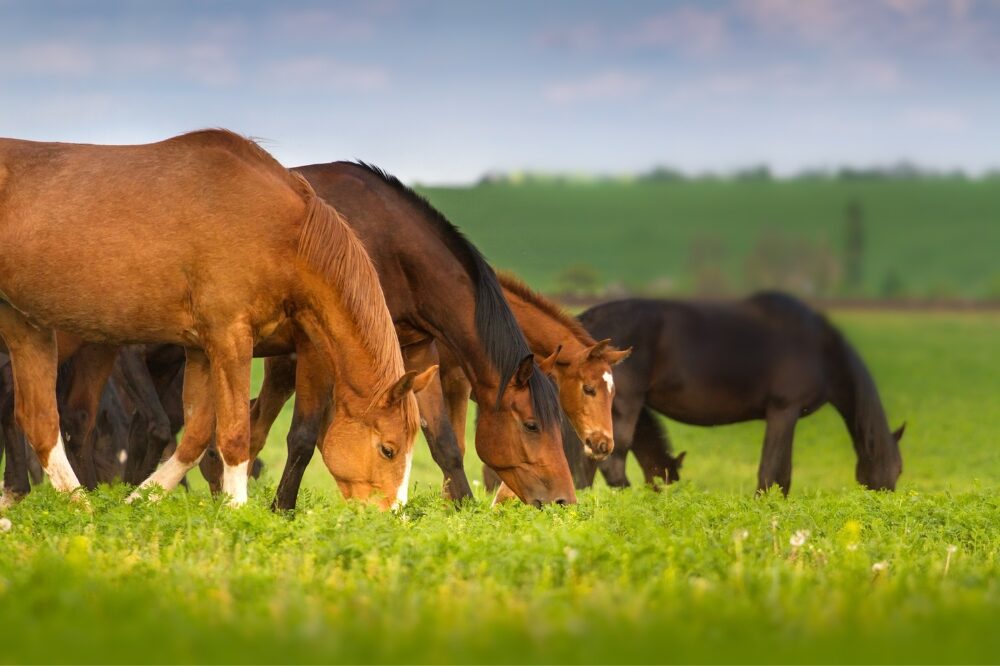
a herd of horses and a foal grazing on spring pasture

Pasture-Associated Laminitis

Pasture-associated laminitis is closely linked to grass intake and metabolic health, especially in spring and fall when sugars in pasture run high. Horses with insulin resistance or other metabolic conditions are at greater risk of painful hoof inflammation. Early signs like hoof heat and a strong digital pulse can signal trouble before serious damage occurs. Prevention centers on controlled grazing, body condition management, and reducing pasture sugar intake.

Pasture-Associated Laminitis Read More »
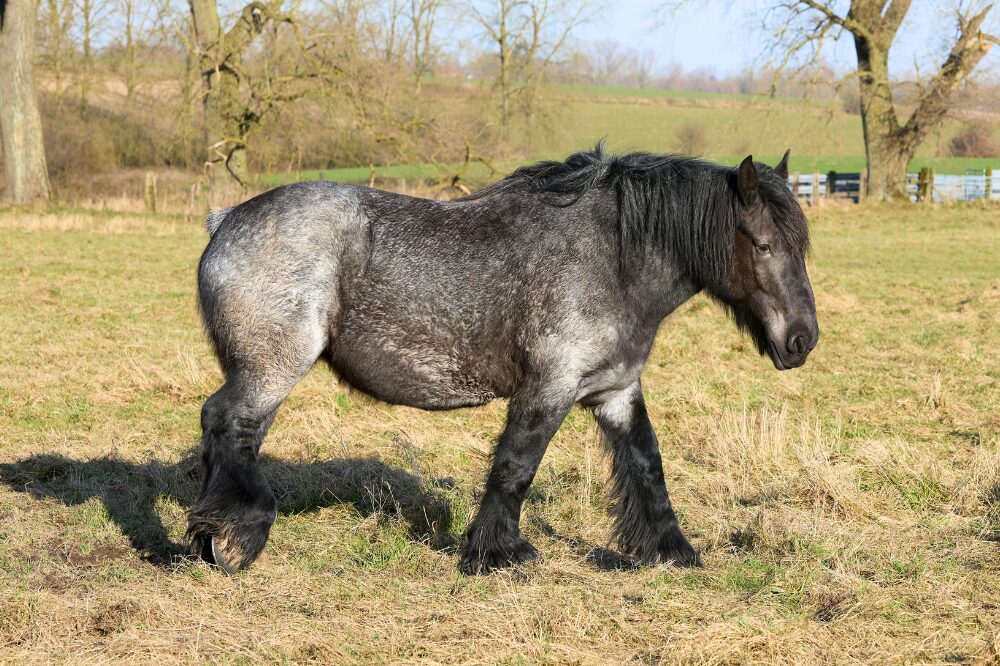
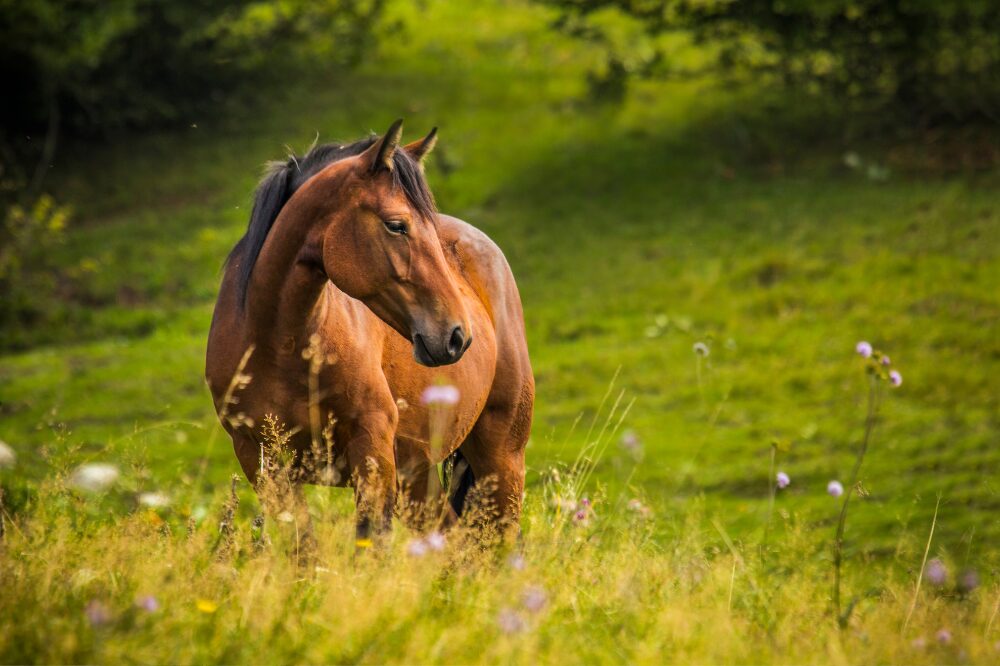
horse looking sideways while standing in a field with grass and wildflowers

Spring Vaccines for Horses

Spring brings a higher risk of infectious disease exposure, making timely vaccination an important part of seasonal horse care. Planning ahead helps support stronger immunity before mosquitoes and travel-related contact increase disease spread. Many veterinarians recommend combining vaccinations with a full wellness exam to evaluate overall health and catch issues early. Tailored vaccine plans based on lifestyle, age, and location help keep horses protected throughout the year.

Spring Vaccines for Horses Read More »

two dappled horses grazing in tall grass that has gone to seed

Founder in the Spring – Prevention and Care

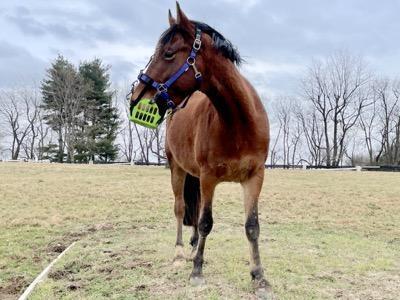
Lush grass after winter can create founder in the spring for horses, especially those with metabolic conditions like EMS and Cushing’s. The higher sugars and starches react in the hindgut to create gas, endotoxins, and a changing pH that lead to laminitis and sometimes founder. Use grazing muzzles and treat spring grass like a diet change.

Founder in the Spring – Prevention and Care Read More »

Scroll to Top