There are many myths about trace or body clipping during the winter months and into spring, especially during the spring shedding season. Clipping is not just about appearance. It plays an important role in managing excess hair, supporting your horse’s skin, and adapting to changing daylight hours. Every age, breed, and situation requires an individual approach. The decision about spring clipping your horse always comes down to your horse’s comfort and skin health.

Can you clip your horse in the spring?
- Absolutely. In fact, for many horse owners, spring clipping your horse is a great way to help them transition out of a thick coat more comfortably and manage the excessive sweating that comes along with warmer days.
Managing shedding
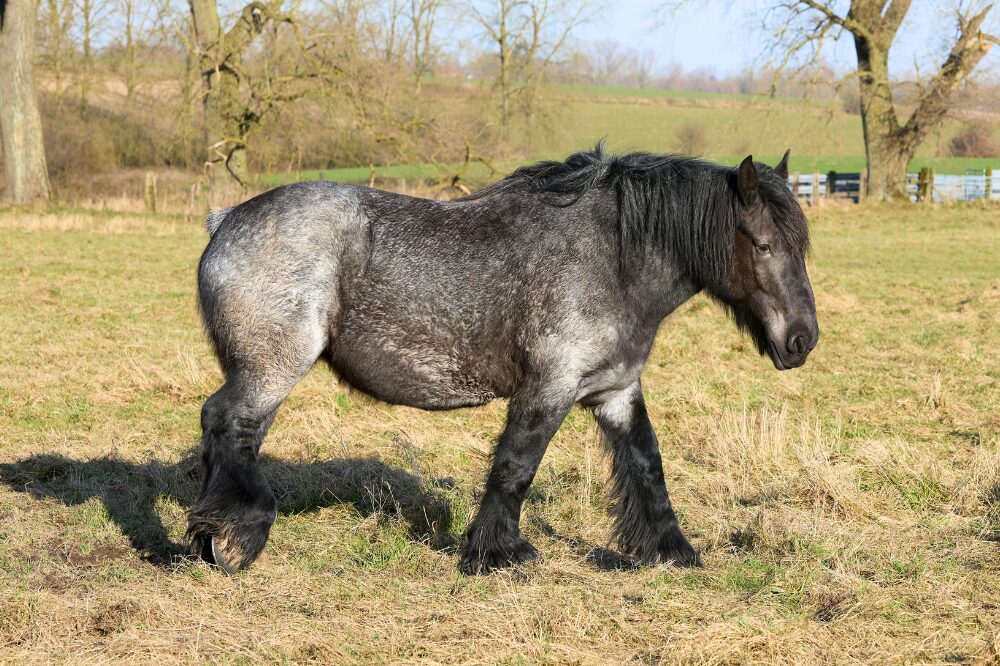
- For horses struggling to shed a thick winter coat, especially those with pituitary pars intermedia dysfunction (PPID), formally known as Cushing’s disease, clipping can make a significant difference. These horses often struggle to shed properly and may retain long hair well into warmer weather, leading to heat stress and discomfort.
- Clipping removes excess hair and helps them regulate body temperature. It also allows the horse’s body to adjust more naturally to rising temperatures. You may also find that longer hair and added sweat create sores or rubs where the tack sits, as the friction can be abrasive to the skin. You will usually see this around the girth or ears.
Skin health and moisture control
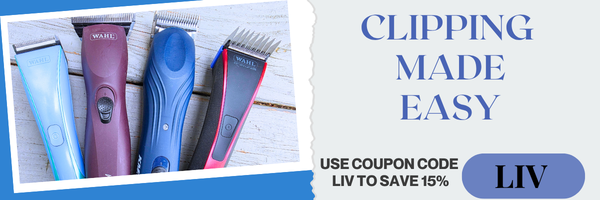
- Wet, muddy environments increase the risk of equine pastern dermatitis, rain rot, and other bacterial or fungal infections. Longer hair will trap microbes, mud, and sweat against the skin, creating the perfect environment for delicate skin to develop rain rot (equine pastern dermatitis), most commonly mud fever. A horse with shorter hair allows for better visibility of skin problems and more effective treatment. It’s quite difficult to treat scratches through layers of a winter coat.
- Shorter hair also dries faster and helps maintain a dry coat. Grooming becomes more efficient and takes less time.
Performance and appearance benefits
- For horses in regular work or preparing for shows, clipping provides both practical and aesthetic benefits. Performance horses are often in training routines that continue regardless of warming weather, and a full or trace clip allows for more comfortable exercise and cooling out as temperatures increase.
- If timed well, a complete body clip a few weeks ahead of an event allows the hair to smooth out and for natural oils to return, adding shine.

Is a trace or full body clip better for spring clipping your horse?
- The best type of clip depends on your horse’s workload, the weather, and how rapidly shedding is creating a storm of hair around the barn.
Choosing the right type of clip
- Any type of trace clip or blanket clip is ideal for horses in light to moderate work. These styles remove hair from high-sweat areas, such as the underside of the neck and the belly. They provide additional protection for the back and legs in cold weather. For horses in heavier work or warmer climates, a full clip may be the right choice. Think about where your horse sweats, and where they would need blanketing.
Customizing for your horse’s needs
- You can also toss out any standardized clipping pattern and instead create a design based on your horse’s specific needs. You can clip away specific areas, such as uneven hair, persistent sweat zones, or extra-muddy areas like the lower legs.
- In many cases, spring clipping your horse can be adjusted throughout the season as needed. You can clip early to help with shedding and leave longer hair on the legs, belly, and neck if it still gets cold enough for blankets.
- Later in the season, you can do a complete body clip, which will really be more like a tune-up, to even out the entire coat.
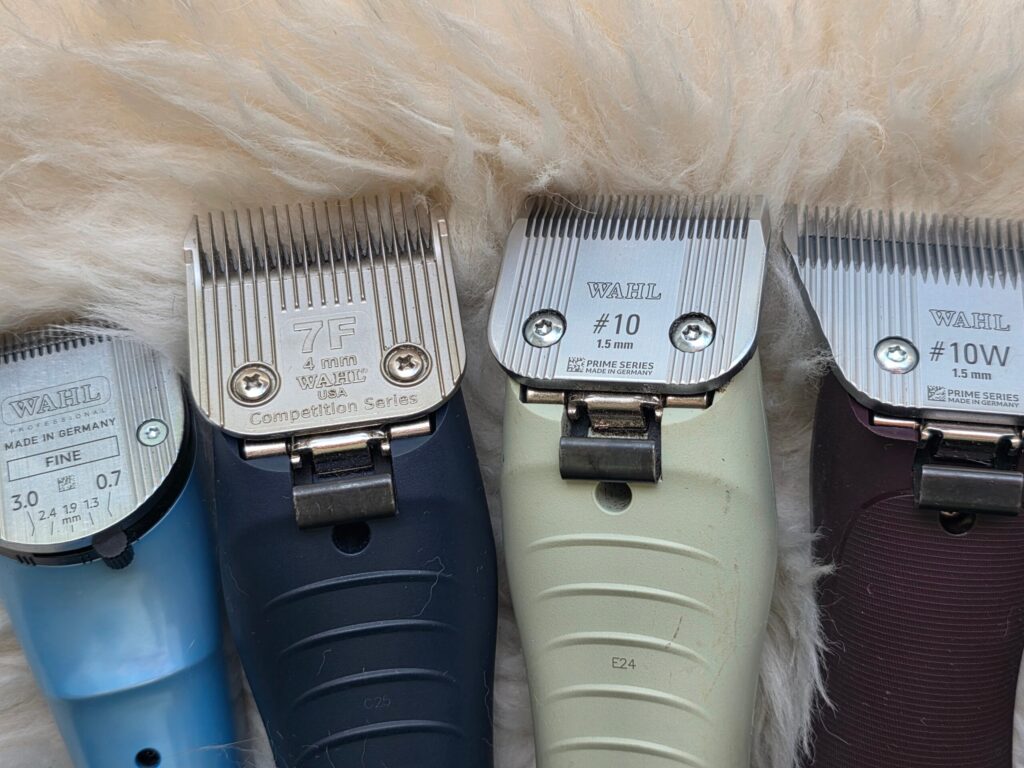
The clippers (and blades) you choose matters. You can leave more or less hair as needed.
Can clipping help with issues like mud fever?
- Yes, clipping can significantly improve the management of skin conditions like equine pastern dermatitis.
Reducing moisture and bacteria buildup
- Mud fever and rain rot thrive in damp and dirty environments. A thick coat traps moisture, bacteria, and sweat against the horse’s skin. This increases irritation and infection risk.
- Removing excess hair allows air to circulate more freely, helping the coat dry faster and reducing conditions where bacteria thrive.
Improving treatment effectiveness
- With less hair in the way, medicated shampoos, sprays, and topical treatments can reach affected areas more effectively. Spring clipping your horse makes treatment more efficient and effective.
- It also becomes much easier to spot early signs of trouble. These include pink skin, scabbing, or irritation before they become more serious.
- It’s true that feathers protect the lower legs, but modern horsekeeping often scoffs at this. Sometimes the best course of action is to individualize care rather than sticking to an old rule about never doing this or that.

Which clipper blades are best for springtime clipping?
- The tools you use play a major role in achieving a smooth, safe result, and the clippers and blades can make the difference between a smooth finish and a trip to the hall of fame for failed clip jobs.
Blade selection and hair length
- A #10 blade is commonly used as the gold standard in blade selection. It leaves about 1.5 mm of hair and works well for horses needing generic hair removal.
- If you want to leave more hair length for warmth and protection, a #7F blade leaves around 4 mm of hair. This option offers a balance for unpredictable spring weather.
- Clipper combs are another useful option. They create more space between the blade and the horse, which leaves more hair for a more natural finish. Because clipper combs vary in size, you can use a single #10 blade to create many options for how much hair remains.
- Most clippers come with a few combs, and you can also buy them to fit either your trimmers or body clippers.
Equipment care and efficiency
- Always use clean, sharp blades with proper clipper oil, applying it every 5 minutes as you clip. This routine prevents pulling on the skin and reduces irritation. Starting with a squeaky-clean horse also makes gliding through the coat easier.
- When you start with a clean horse and sharp, oiled blades, the finished result is less likely to have lines and uneven patches. It’s also faster and more comfortable for your horse.
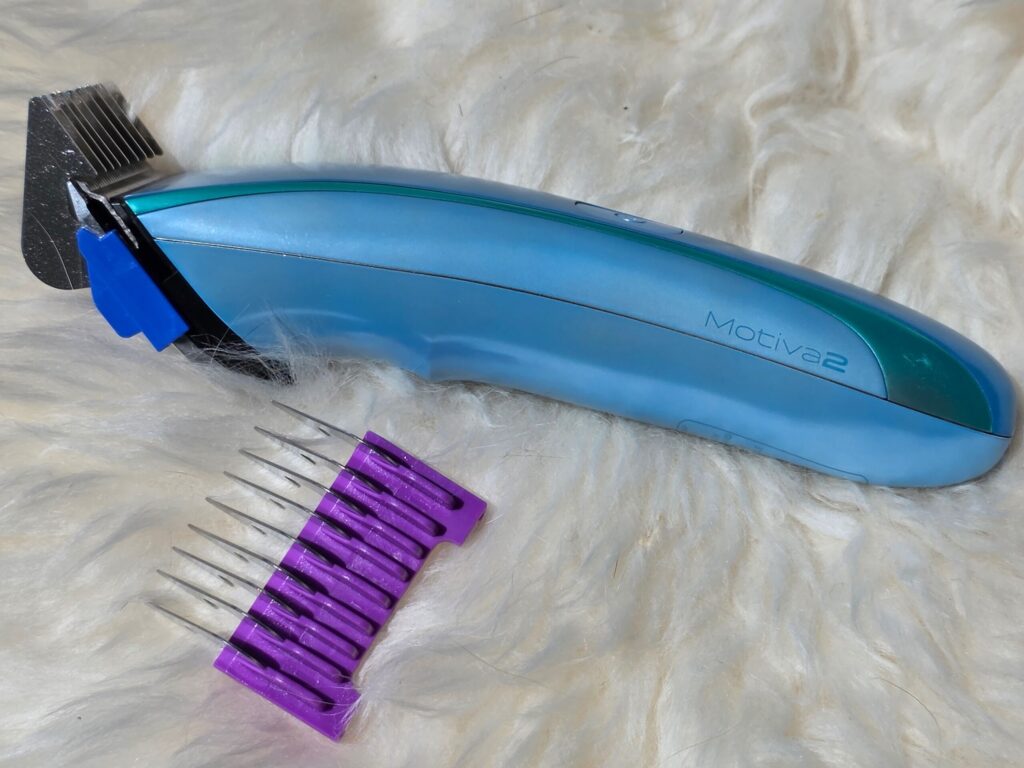
Clipper combs for the win if you want to leave more hair.
Will a spring clip ruin the summer coat?
- This is a common concern, but it’s a myth. A horse clip is simply a haircut!
Understanding coat growth cycles
- A horse’s coat is constantly growing and shedding as part of the hair life cycle. If you clip a patch into a summer or winter coat, you can watch the hair gradually even out. Clipping in spring may trim some of the emerging summer coat, but it only trims the ends. It will continue to shed and regrow all summer, eventually evening out.
Timing your clip
- If you clip earlier, you remove more of the thick winter coat. This is fantastic if you live in warmer climates. Waiting longer increases the chance of cutting summer’s natural coat. If your horse’s hair coat is needed through the end of spring, you are more likely to trim those new hairs.
- It’s always a good idea to make spring clipping your horse about comfort and health, not about the future coat of what time of year it is.
What’s the biggest mistake about spring body clipping?
- Poor clipper and blade maintenance is one of the most common and avoidable mistakes in horse clipping.
Avoiding common clipping problems
- Dirty, dull, or rusty blades will also overheat faster, in addition to tugging and leaving lines and uneven patches. Ideally, we all pack up our supplies in the fall after cleaning, disinfecting, and oiling, but we may forget or use too little oil.
- Test out your clippers before you plan to clip to ensure the blades are functional, sharp, and ready to turn your hairy pasture pet into a gleaming show horse, even if you never go to a show. Give yourself enough time to sharpen existing blades or buy new ones before you need them.
- Don’t forget to charge your cordless clippers, too!
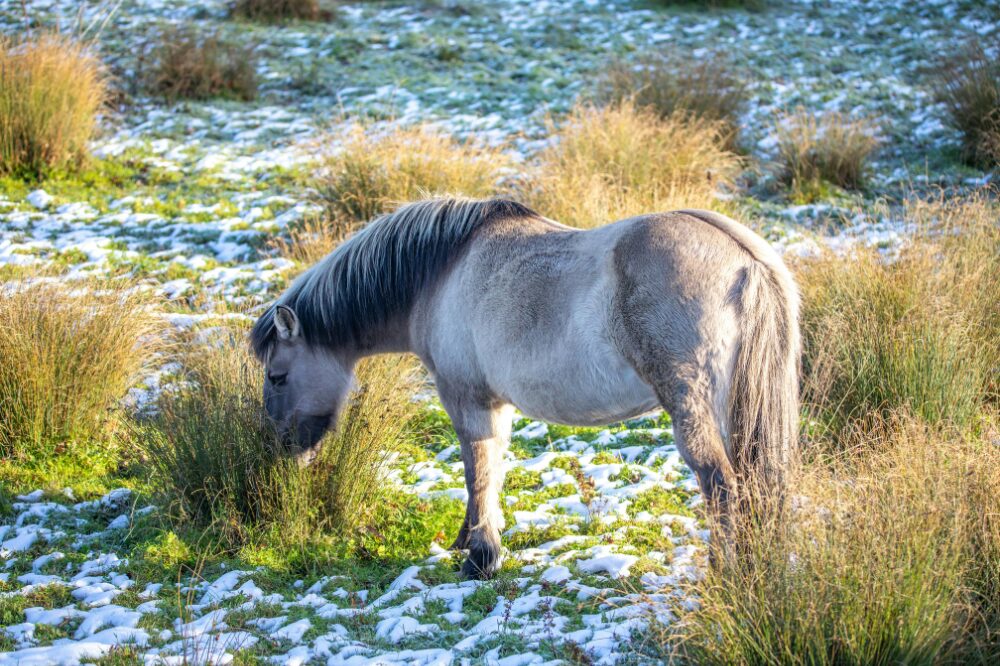
Timing a spring clip also means planning for surprise weather.
How do I safely clip my horse for the first time in spring?
- It’s ideal if your horse could essentially clip themselves, but for horses unsure about the process, start months or weeks ahead of time to gently desensitize them to the sights, sounds, and feelings of the clippers. This means thoughtfully introducing them and helping your horse establish a connection between the equipment and a reward. Then you can move on to turning them on and eventually clipping.
- You’ll also need a comfortable space, preferably with supportive footing for both of you. Let your horse have a hay net and views of other horses to maximize relaxation. You always want interactions to be positive experiences, and situational comfort plays a role in that.
Read this to learn more details about the step-by-step desensitization to clippers.
How do I care for my horse’s skin after a spring clip?
- You have a few things to consider: their natural oils, fly and UV protection, and sheets or blankets if the weather calls for them.
- Immediately after a body or trace clip, your horse may be itchy and dusty, with a coat coated in tiny stray hairs. You can give them a thorough grooming to help the itching, loosen any remaining dirt, and help bring up their natural oil, the sebum.
- A rinse is also a great idea, weather depending, or you could add a color-enhancing shampoo if you notice your horse’s coat is lackluster.
- You’ll also want to treat any skin issues you uncover, from scratches to rain rot to dandruff.
Read this for more about equine pastern dermatitis (mud fever).
Whether you choose a hunter clip, blanket clip, or full clip, the goal remains the same. You want to support your horse’s comfort, protect the skin, and make thoughtful decisions based on individual needs. The benefits of spring clipping your horse are many, but only if needed.
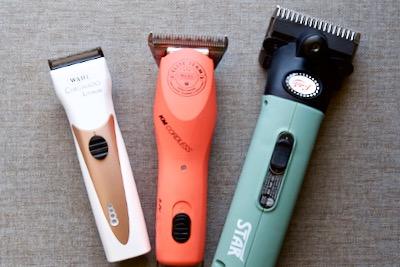


Go Shopping
Stock up here for your horse supplies! As an Amazon Associate, I earn from qualifying purchases, but it’s ZERO extra cents to you. As a Walmart Associate, I earn from qualifying purchases as part of their affiliate plan. I appreciate your support! You can also visit my Amazon storefront here: PEG storefront.
Use code LIV for savings at wahlpro.com
- Upgraded brushless motor (3,700 & 4,500 RPMs)
- Textured housing for secure, comfortable grip
- Constant Speed Control powers through thick or matted coats
- Corded + cordless use with quick-charge battery
- Up to 2 hours cordless runtime

Use code LIV for savings at wahlpro.com
- 2-speed motor (6000 & 8000 RPMs)
- 4-hour cordless runtime + corded option
- 5-in-1 Diamond Pro blade stays cool and sharp
- Textured housing for comfortable control
- Travel lock for safe transport
- LED screen with speed, battery, and maintenance info
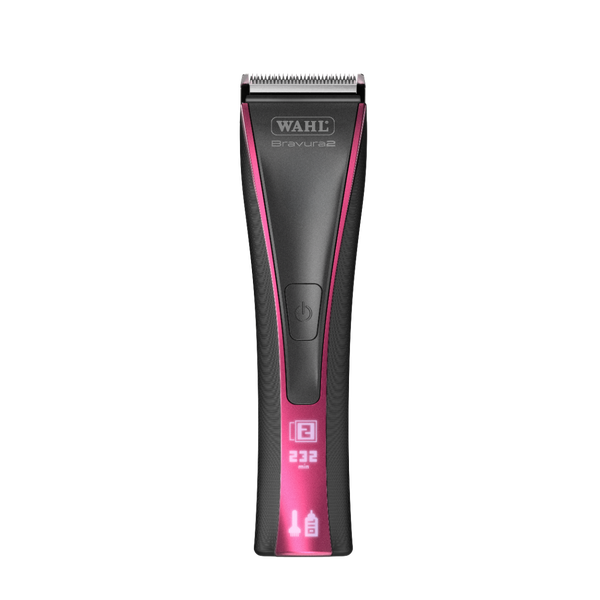
Use code LIV for savings at wahlpro.com
- Powerful motor glides through coats
- Textured grip for better control
- Up to 3 hours cordless + corded option
- Digital display with battery + maintenance alerts
- Travel lock for safe transport