diet

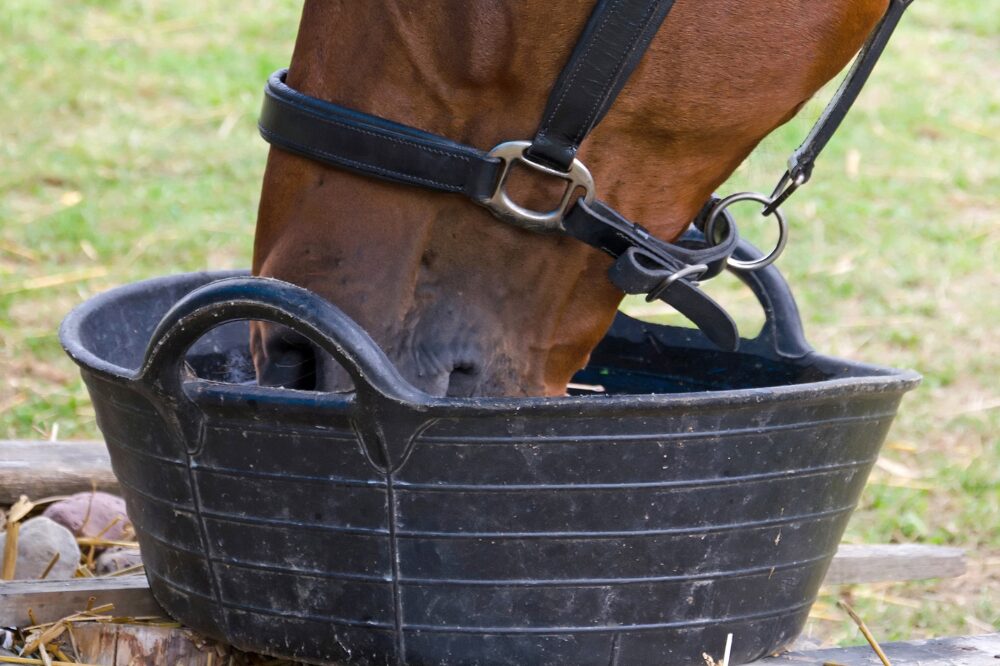
feed bucket and horse eating from it

Ration Balancers for Horses Explained

Understanding how to balance a horse’s diet can be challenging when forage, feed, and supplements all play a role. Ration balancers for horses offer a concentrated source of essential nutrients that can help support healthy coats, hooves, muscles, and overall wellness without adding unnecessary calories. Knowing when and why to use a ration balancer can help horse owners make more informed feeding decisions throughout the year.

Ration Balancers for Horses Explained Read More »

herd of horses standing in muddy pasture that is brown and overgrazed

Brown Grass for Horses

Brown pastures are often assumed to be safer for grazing horses, but dormant forage can still contain significant sugar levels. Seasonal stress from drought, frost, or overgrazing changes how grass stores carbohydrates, which directly affects equine health. Metabolic horses, including those with EMS or PPID, face greater risks when grazing stressed fields. Careful management, slow feeding strategies, and thoughtful dietary adjustments help protect horses during periods of pasture dormancy.

Brown Grass for Horses Read More »

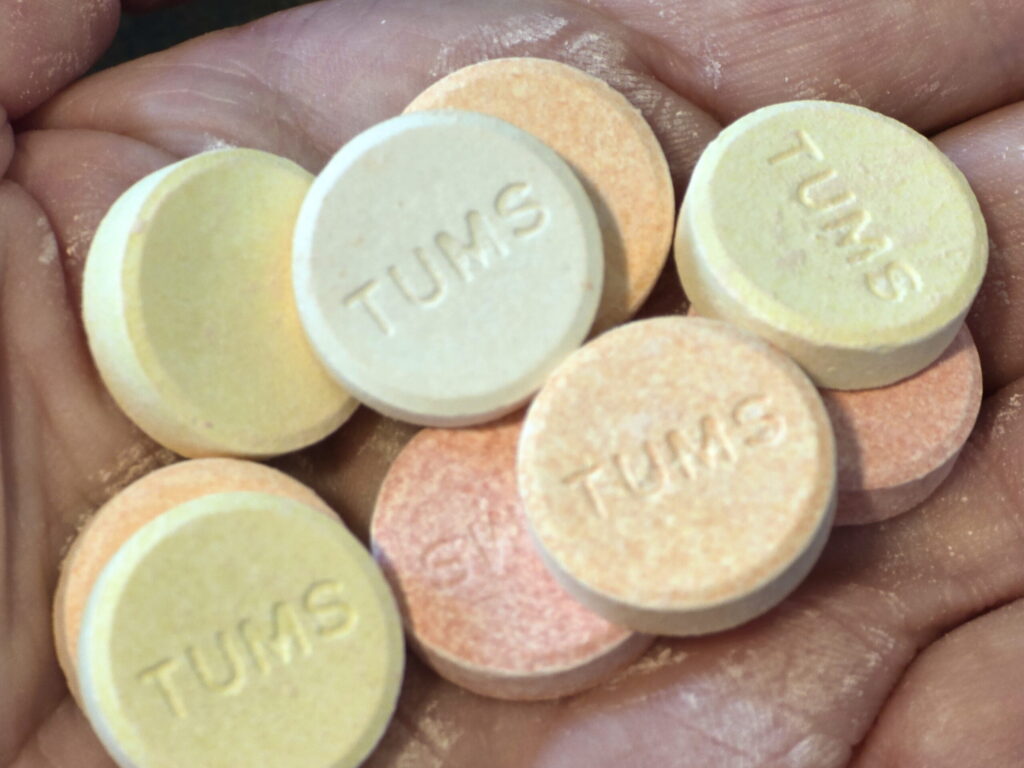
tums antacids in a palm

Antacids for Horses – Are They Worth It?

Horses commonly suffer from gastric ulcers, and managing stomach acid is a frequent concern for horse owners. Antacids for horses may provide temporary relief by neutralizing acid, but they do not address the underlying causes of ulcers, such as an empty stomach or high-stress feeding schedules. Effective prevention and treatment often rely on diet changes, small frequent meals, forage, and veterinary-guided medications rather than human antacids like TUMS.

Antacids for Horses – Are They Worth It? Read More »

Scroll to Top