Liv G.

Liv G. has spent decades riding, caring for, and learning from horses, including years working with Olympic dressage riders at the highest levels of the sport. A lifelong horsewoman with a BS in biomedical science, she’s built a reputation for turning complex equine science into simple, practical advice that keeps horses healthier and happier. Her work has appeared in Practical Horseman Magazine, Pony Club, and Chronicle of the Horse, and she’s currently writing two books for horse owners who appreciate guidance that’s both evidence-based and proven in the barn.

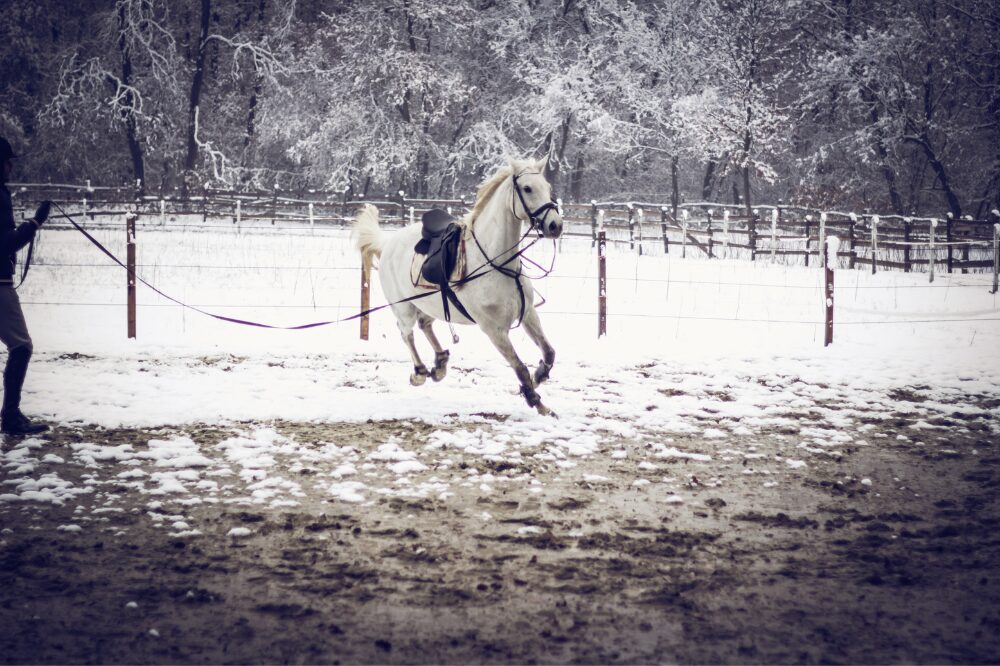
a gray horse on a lunge line with snow and mud on the ground

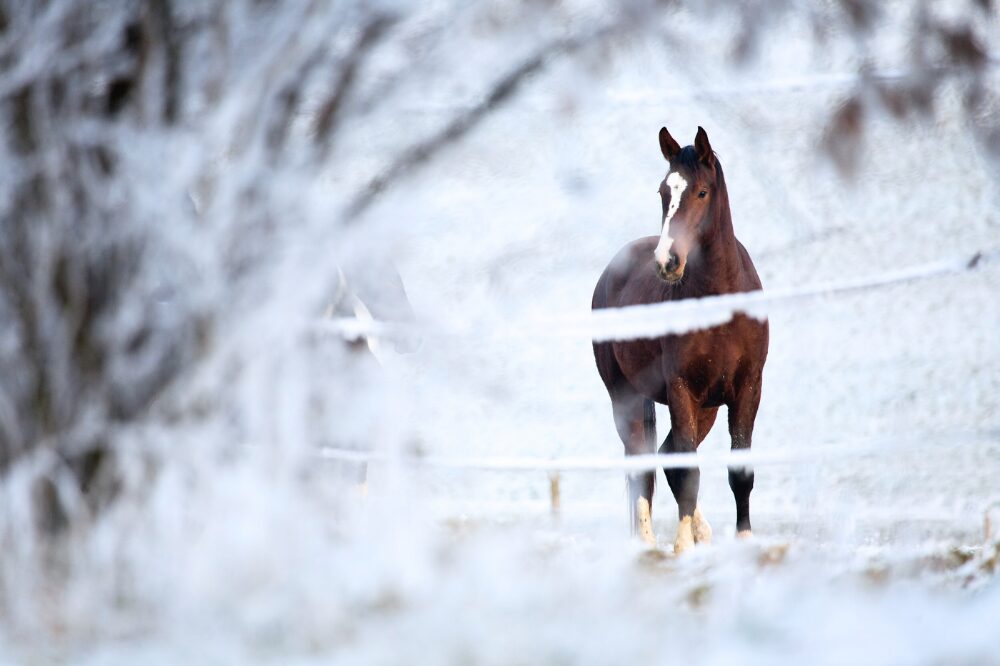
Winter Enrichment For Horses

Winter can limit turnout and riding, which makes mental stimulation just as important as physical care. Winter enrichment for horses focuses on keeping minds active through training, forage based activities, and environmental changes. Simple adjustments to routines and spaces can help prevent boredom, support digestion, and encourage natural behaviors all season long.

Winter Enrichment For Horses Read More »
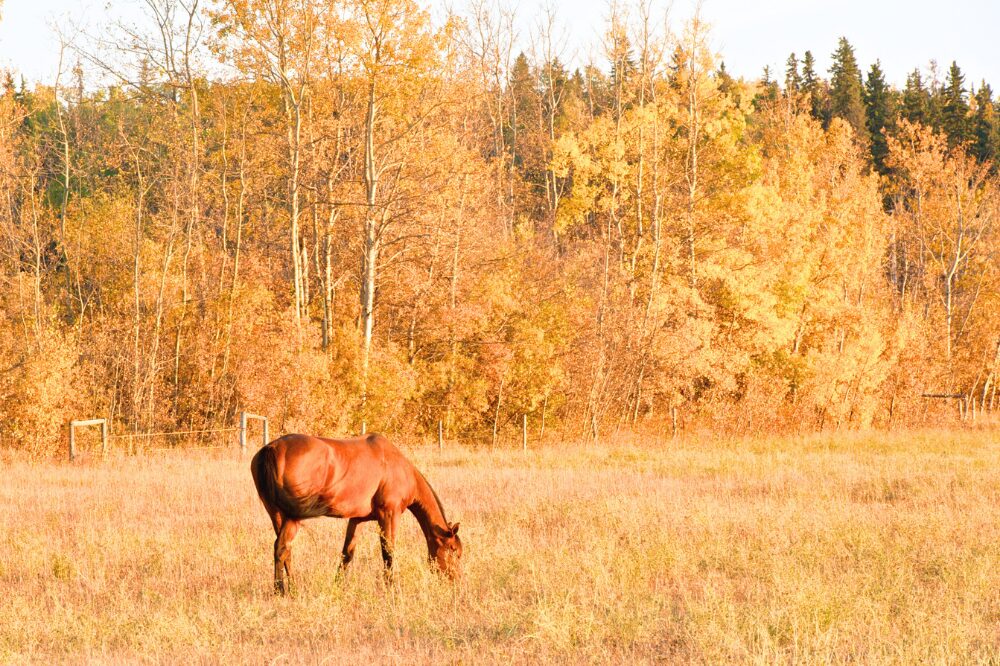
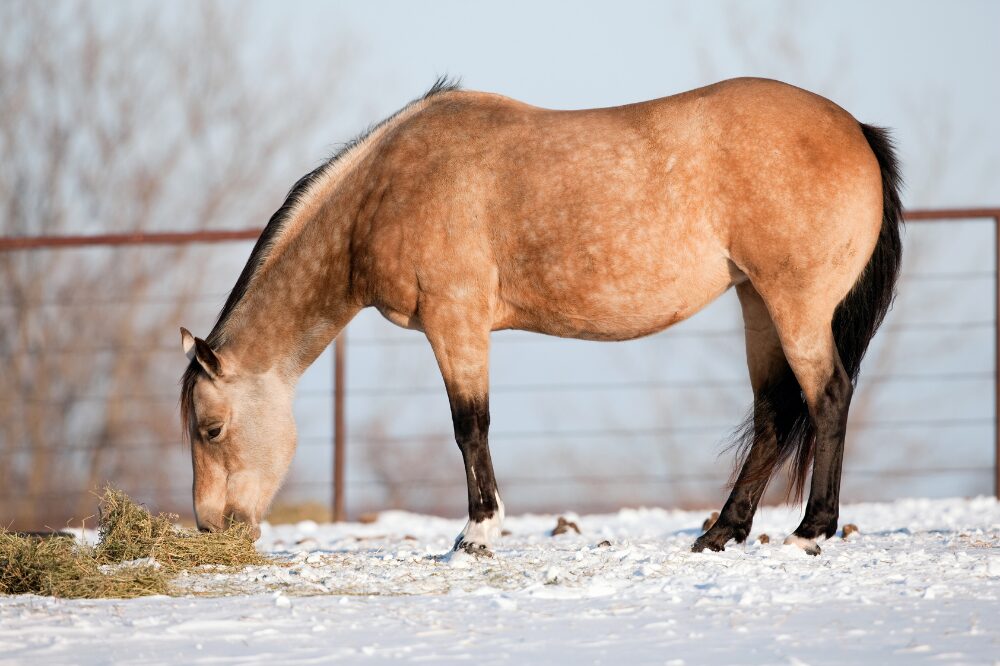
chestnut horse grazing on golden grass with fall trees

Fall Horse Care Tips

As autumn arrives, horse owners face a range of seasonal challenges. From shifting diets and grooming thicker coats to updating health checks and hoof care routines, fall horse care is all about preparation. By adjusting nutrition, monitoring weight, managing turnout, and winterizing the barn, you can help your horse stay comfortable, strong, and resilient as the temperatures drop.

Fall Horse Care Tips Read More »

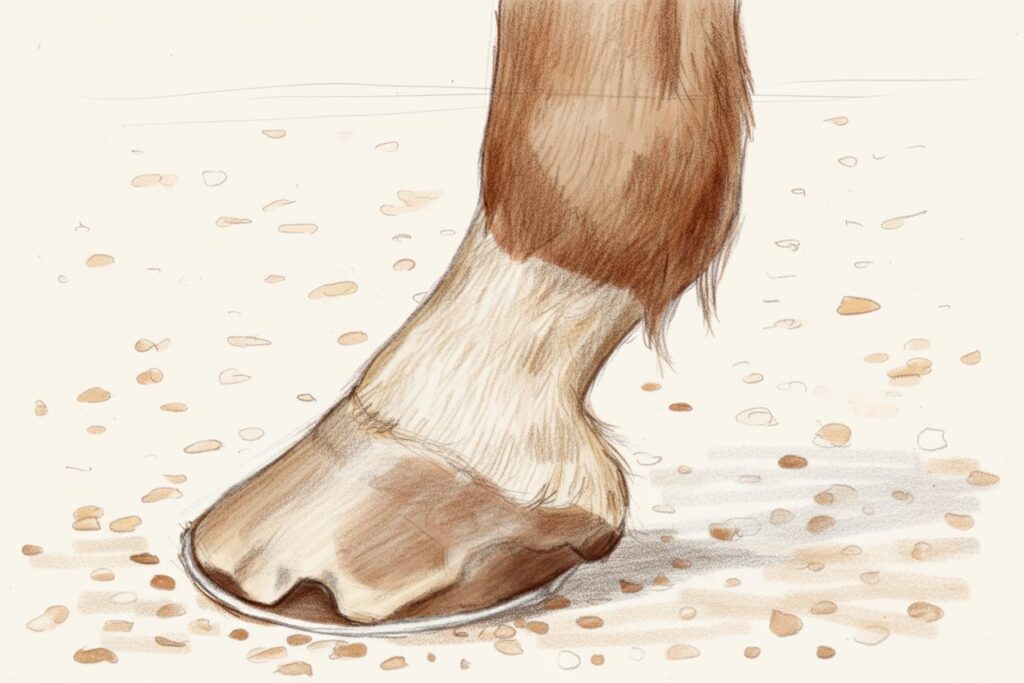
sketch of underrun heels

Underrun Heels in Horses

Underrun heels affect a horse’s entire way of moving and standing. This condition flattens the back of the hoof, shifts weight forward, and stresses tendons and ligaments. Recognizing early signs and understanding the difference between underrun and low heels in horses can help prevent long-term pain, lameness, and structural damage. Regular farrier care and balanced trimming are key.

Underrun Heels in Horses Read More »

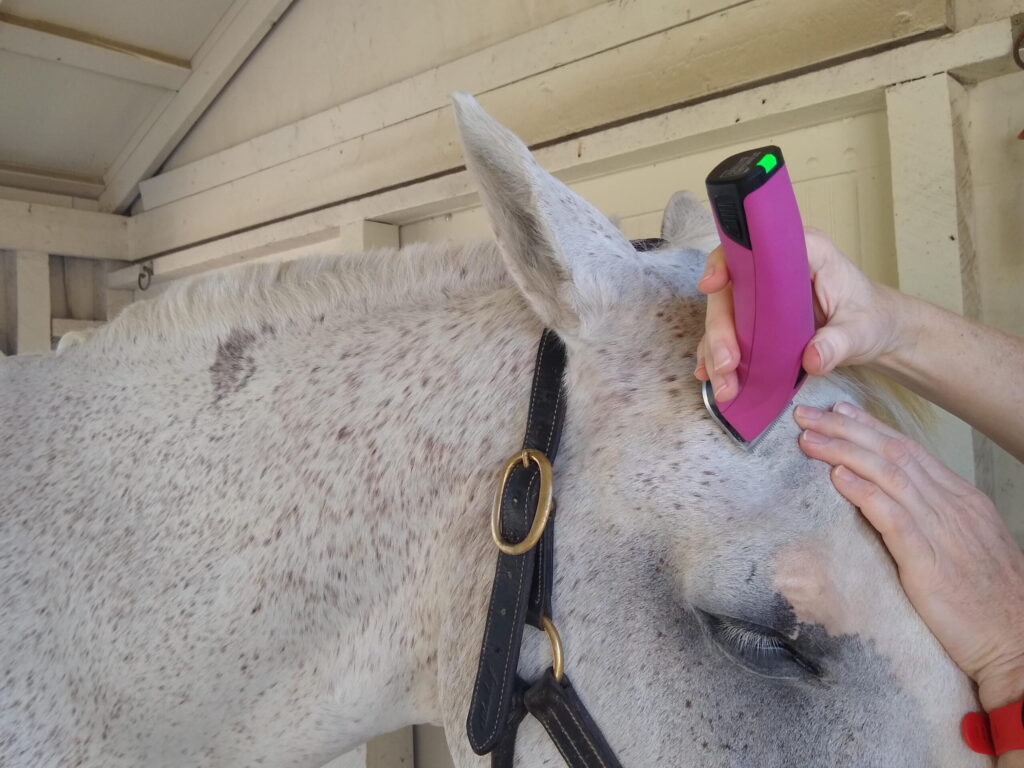
using horse trimmers to tidy a horse's face

Clip A Nervous Horse – Tips for Training Confidence

Clipping can be a stressful experience for both horses and handlers, but it doesn’t have to be. By focusing on preparation, training, and patience, it is possible to clip a nervous horse in a way that builds confidence rather than fear. Understanding equine behavior, recognizing signs of stress, and using positive reinforcement can turn clipping into a safe and manageable part of horse care.

Clip A Nervous Horse – Tips for Training Confidence Read More »

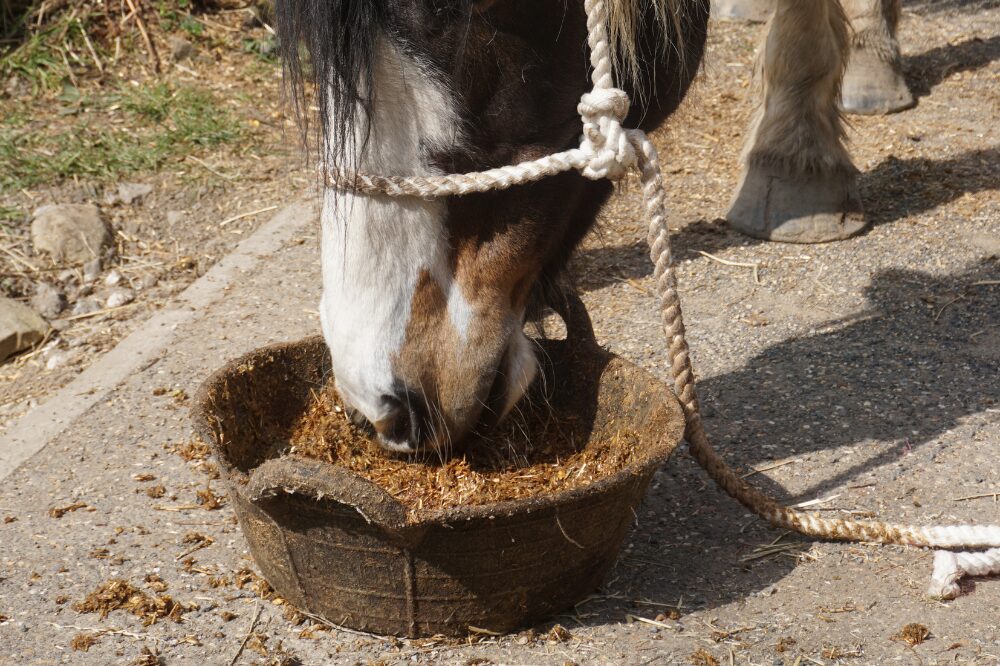
horse with big blaze and rope halter eating grain from a shallow rubber bowl

Garlic For Horses – Use Caution

Garlic is often added to horse diets for benefits like insect control, immune support, or parasite prevention, but science tells a different story. Research shows that garlic for horses can contribute to anemia, even at low doses over time. While many horse owners seek natural solutions, understanding the risks and lack of proven benefits helps guide healthier and safer feeding decisions.

Garlic For Horses – Use Caution Read More »

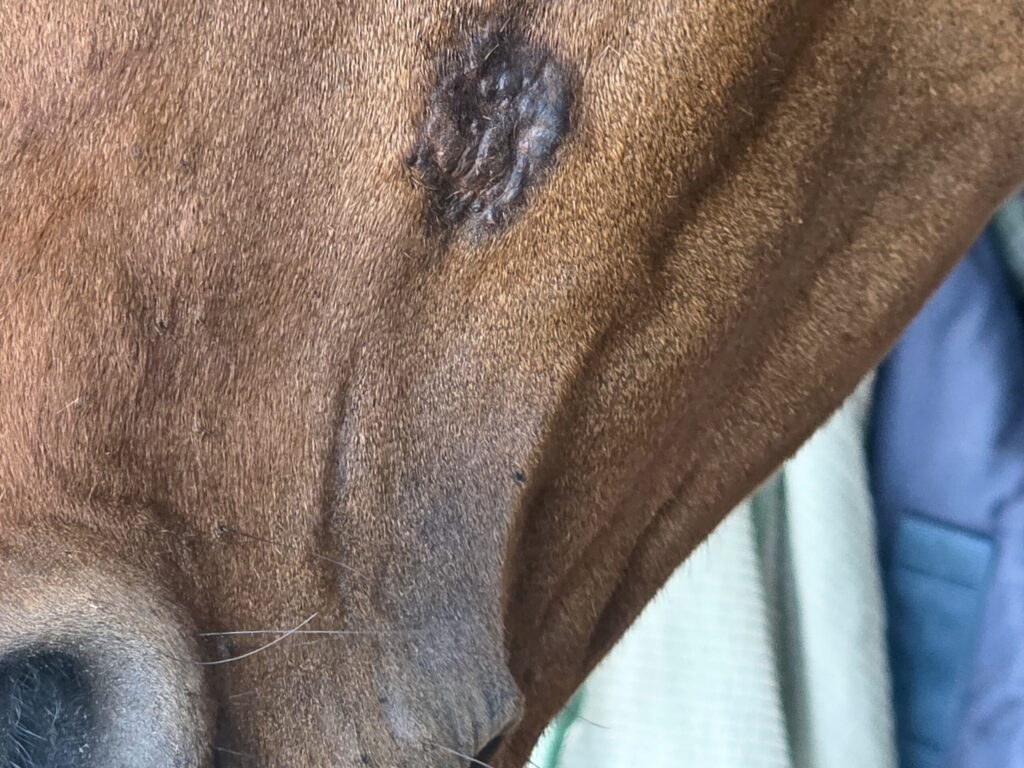
close up of sarcoid on horse's face near the nostril

Sarcoids on Horses

Sarcoids on horses are the most common type of equine skin tumor, often linked to the bovine papillomavirus. They vary in size, shape, and severity, and while not life-threatening, they can cause discomfort and impact quality of life. Learning the types, risk factors, and treatment approaches equips horse owners to work closely with their vet for effective management.

Sarcoids on Horses Read More »

tums antacids in a palm

Antacids for Horses – Are They Worth It?

Horses commonly suffer from gastric ulcers, and managing stomach acid is a frequent concern for horse owners. Antacids for horses may provide temporary relief by neutralizing acid, but they do not address the underlying causes of ulcers, such as an empty stomach or high-stress feeding schedules. Effective prevention and treatment often rely on diet changes, small frequent meals, forage, and veterinary-guided medications rather than human antacids like TUMS.

Antacids for Horses – Are They Worth It? Read More »

Scroll to Top