veterinary

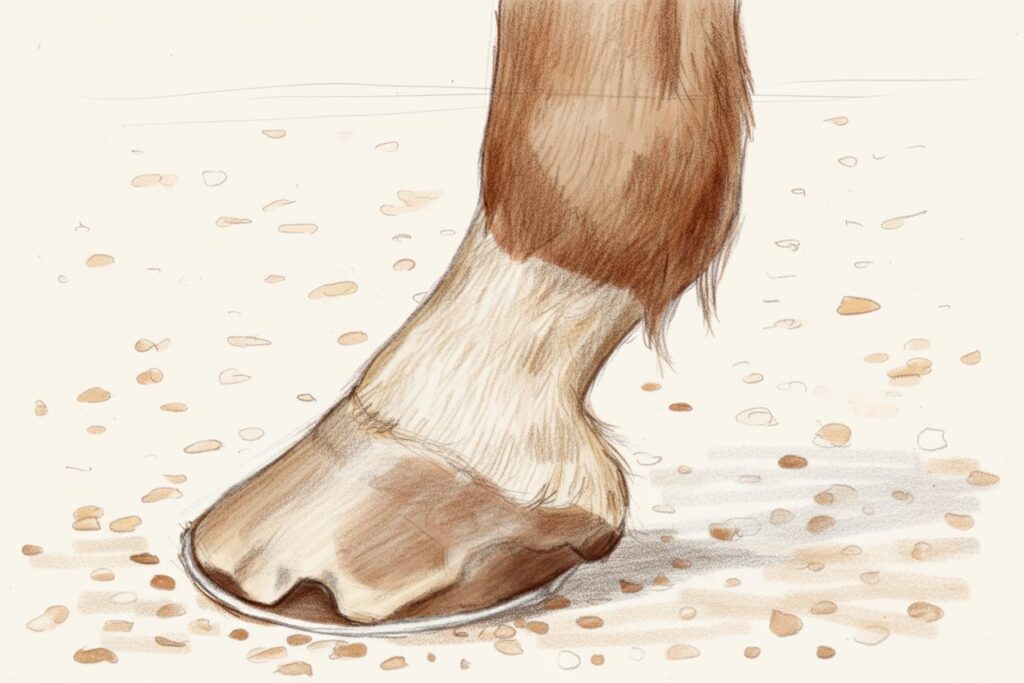
sketch of underrun heels

Underrun Heels in Horses

Underrun heels affect a horse’s entire way of moving and standing. This condition flattens the back of the hoof, shifts weight forward, and stresses tendons and ligaments. Recognizing early signs and understanding the difference between underrun and low heels in horses can help prevent long-term pain, lameness, and structural damage. Regular farrier care and balanced trimming are key.

Underrun Heels in Horses Read More »

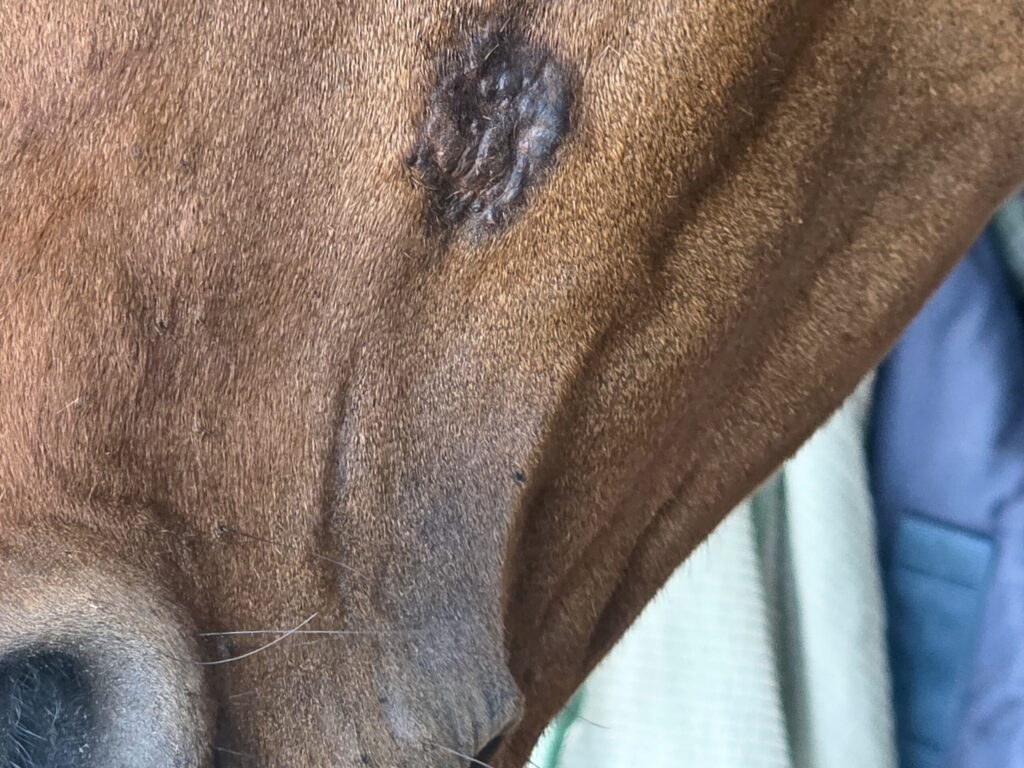
close up of sarcoid on horse's face near the nostril

Sarcoids on Horses

Sarcoids on horses are the most common type of equine skin tumor, often linked to the bovine papillomavirus. They vary in size, shape, and severity, and while not life-threatening, they can cause discomfort and impact quality of life. Learning the types, risk factors, and treatment approaches equips horse owners to work closely with their vet for effective management.

Sarcoids on Horses Read More »

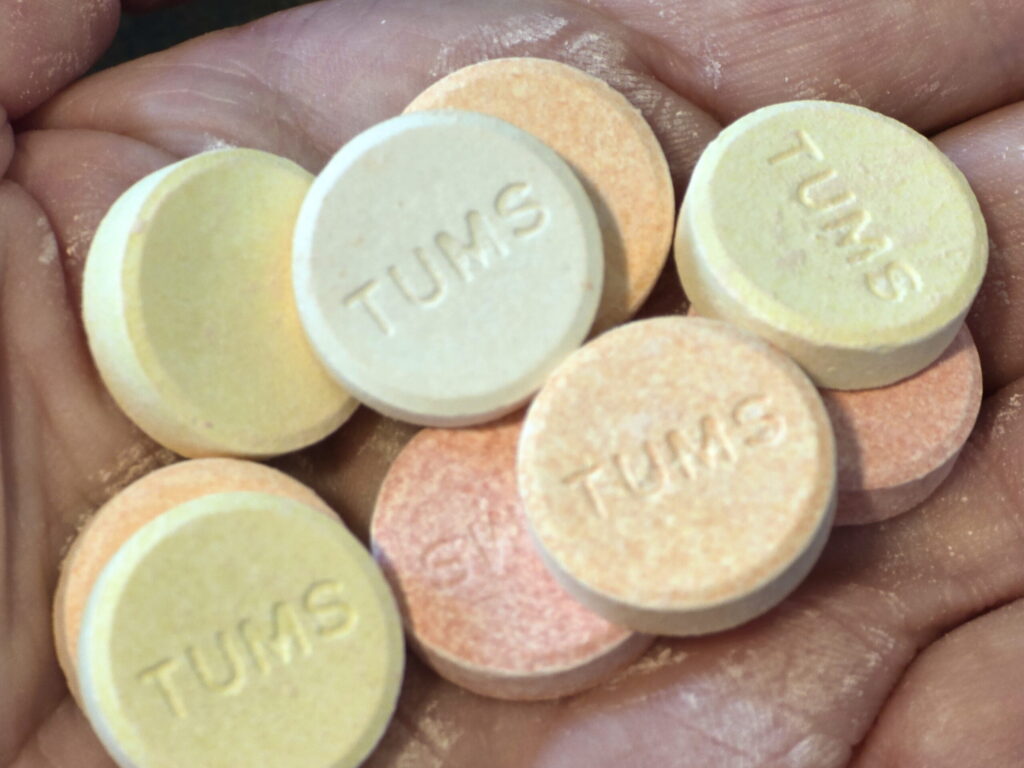
tums antacids in a palm

Antacids for Horses – Are They Worth It?

Horses commonly suffer from gastric ulcers, and managing stomach acid is a frequent concern for horse owners. Antacids for horses may provide temporary relief by neutralizing acid, but they do not address the underlying causes of ulcers, such as an empty stomach or high-stress feeding schedules. Effective prevention and treatment often rely on diet changes, small frequent meals, forage, and veterinary-guided medications rather than human antacids like TUMS.

Antacids for Horses – Are They Worth It? Read More »

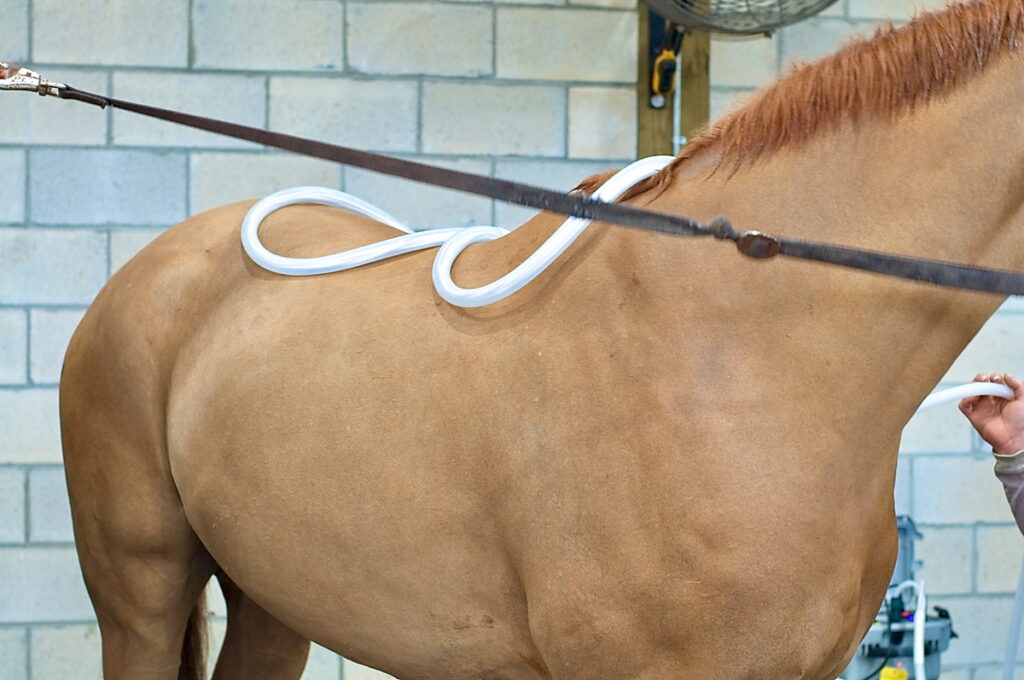
pulsed electromagnetic coils on a horse's back

PEMF for Horses

PEMF for horses is gaining attention as a non-invasive therapy that may support equine health and healing. Pulsed electromagnetic field therapy for horses is thought to improve circulation, reduce inflammation, and aid recovery in tissues ranging from bone to cartilage. While research is ongoing and results are mixed, horse owners and veterinarians are exploring its potential role in managing injuries, soreness, and long-term conditions.

PEMF for Horses Read More »

Scroll to Top