Summer is the season for more daylight barn time, horse shows, and not freezing your butt off doing barn chores. But along with that come pests, mud, sweaty saddle pads, and all of the good things that go along with sweating your butt off. Here are some top summer turnout tips to make sure your horse stays healthy and happy as they frolic in the sun and heat.

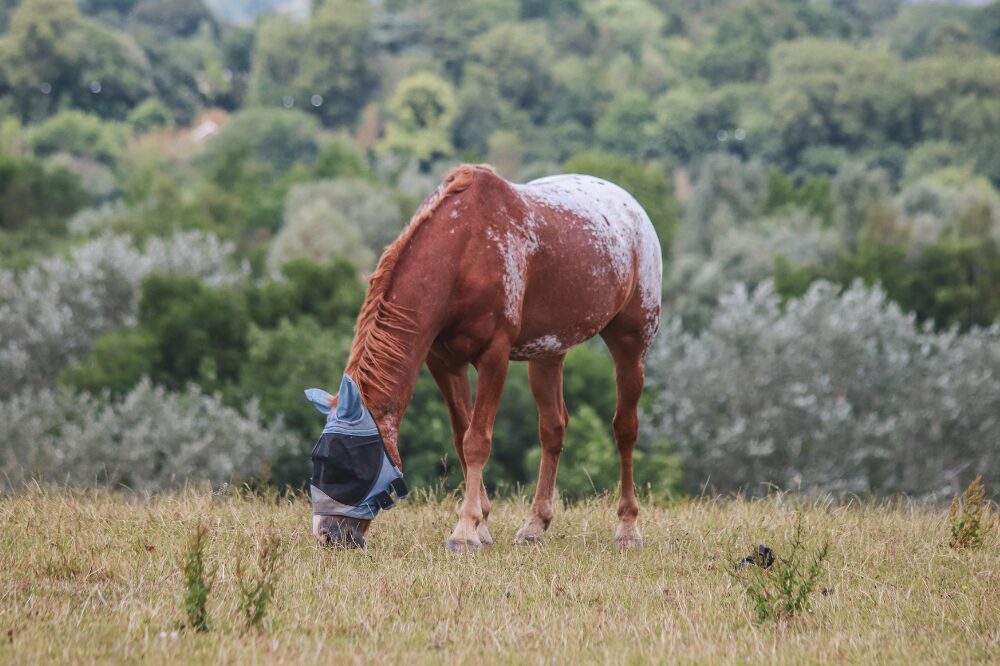
Summer Turnout Tips for Sun and Heat Comfort
- Summer turnout has its own set of considerations now that frozen ground, ice, and cold temps are gone. Grass pastures may be growing wild, and there are ticks, flies, and sweat marks to contend with.
Turnout timing
- The time of day for your horse’s turnout matters, and it’s extra important if shade and wind are scarce.
- For horses with pituitary pars intermedia dysfunction (PPID, formerly Cushing’s) or equine metabolic syndrome (EMS), the time of day matters a bit more as the temps and conditions influence the sugars and starches in the grass.
- High-sugar times are under the hot sun, in extra-cool mornings, and in stressed-out grasses. Don’t let your horse’s favorite grassy field create health problems.
Time of day and shade availability
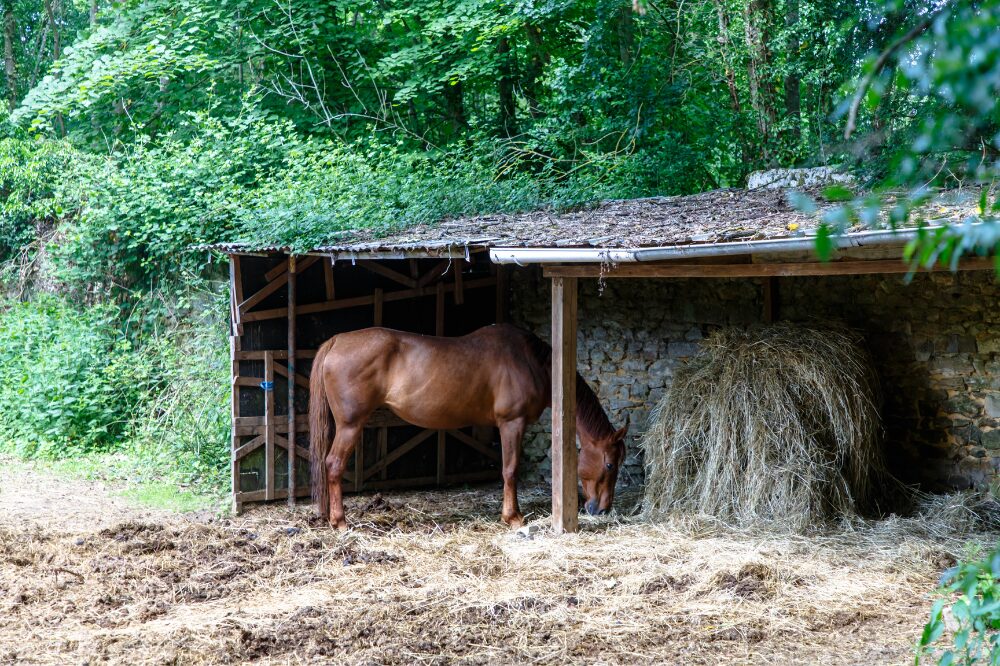
- A primary concern is to offer shade. Trees, field shelters, and even run-ins to barns are helpful. Sometimes it’s just not possible, which may change ideal turnout times to mornings, evenings, and overnights.
- During bad weather, many horses do great outside. Consider the best thing to do in thunder and lightning, and that may be bringing them in.
Sunburn
- Horses can, and will, sunburn. Pink noses are a common area, as are clipped horses. But a horse’s back and topline may also blister anyway.
- If your horse’s mane is roached or kept in braids, the exposed skin may sunburn.
- Keep your horse covered with fly sheets that have an attached neck piece. Overnight turnout may also be best.
Cool mornings
- Depending on your climate, chilly early mornings can often raise sugars and starches in grass, making overnight or am turnout riskier for some horses. But cool mornings are a great time to ride and cool off before the day really heats up.
Pasture care and safety
- These tips are really year-round, as horses getting into a pickle don’t follow a calendar.
Fencing and gates
- Ideally, your horse has enough entertainment to avoid tangling in fencing. But the grass being greener, shenanigans, and itchy necks and butts often lure horses into the fence.
- No barbed wire allowed, ever, and consider hot tape if crossing boundaries is a favorite pastime. Electric fencing is great, and the tape is wide enough that horses and people can see it.
Water sources
- Summer is the best time for water troughs and tubs to attract mosquitoes, algae, and small critters that get stuck. Use mosquito dunks if you can’t change the water every few days, and you can experiment with some varieties of fish (but not goldfish) to help, too.
- Some fish do best in the shade, and your tank will have less algae in the shade, too.
- For squirrels and mice that may get stuck, attach a wooden plank to one side that floats in the water as an escape route.
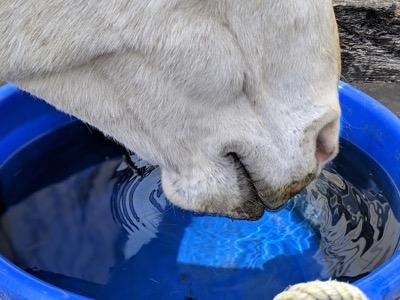
- Horses prefer cold water but will drink more when offered warm water. Fresh, cool water after exercise is a great way to help them hydrate.
Read more about fish in your water trough here.
Sugars and starches
- Good quality grazing doesn’t necessarily mean lush, rich pastures for all horses. Consider your horse’s metabolic status, too!
- Know when the sugars and starches in your grass varieties are highest. For most grasses, this is:
- Chilly mornings and hot afternoons in the direct sun make grass panic and hoard sugars for growth.
- After mowing, which tells the grass, “Oh dear, must stockpile sugars to be able to grow.”
- When the grass is going to seed, those tiny seeds need sugars to do their job when released.
- Overgrazed patches have sugar concentrations near the roots, which make them more palatable and likely to be eaten, creating more patches in your paddock.
Weeds
- Some weeds are seasonal, like dandelions and buttercups. Dandelions are safe for horses, but have high sugar and starch content, making them extra tasty and not great for some horses. Buttercups taste bitter and are a snack of last resort. These cute little flowers will also cause your horse’s mouth to blister.
- Some poisonous plants and weeds may trigger photosensitivity. This condition occurs when the weed has a toxic element that creates sensitivity to UV rays. Pink skin under white hair produces painful sores.
Get local help for your pastures
- A great resource for pastures, weeds, and insects around your area is your local ag extension service. A local university or college usually runs these and is chock-full of information about the flora and fauna that grow (and sometimes fly) in your area.
Fly Control Tips
- A few reasons why flies, mosquitoes, and ticks are terrible, in no particular order:
- Stomping
- Hives
- Aural plaques
- General irritation
- Disease transmission
- And the overall ick factor.
Fly sheets and gear
- Protect your horse from some irritating, biting insects and stomping with fly sheets, masks, fly boots, and even belly shields.
- Specialty horse rugs cover the ears to the tops of the legs for sweet itch protection.
- Choose light colors. Flowy and soft horse fly sheets are great when it’s extra hot. Stiffer sheets are best for some horses, but may be hotter for horse turnout during the day.
- Stiff fly boots are amazing for fly protection and help keep the lower legs cleaner. You can also fill them with ice cubes for quick, easy ice therapy.
Sprays for horses – know the bug
- Some fly sprays use fatty acids that confuse biting flies about where your horse is. Can’t bite the horse if they are cloaked!
- Other sprays work as repellents, such as those with essential oils. Others have chemicals that “knock down” and sometimes kill insects, although larger insects are more likely to survive. These are best for ticks, too.
- Knowing the types of flies in your area helps you choose the best sprays.
Horse flies and green heads
- The larger, blood-sucking flies like horse flies and green heads (mostly on the East Coast) hunt by sight. Lure them into traps that mimic animal shapes and colors.
- Big taps with black balls and a net above are best for horse flies. Specially designed boxes with netting and traps on top are best for greenhead flies.
Rutgers University has a great tutorial on how to build one.
Fly traps and other smelly things
- Simple fly traps, whether homemade or store-bought, use scents to lure flies into a container filled mostly with water and other soapy ingredients that trap them.
- While the ick factor is high for these and can often stink up the area, they are wonderfully effective against many types of biting flies that rely on smell for a meal.
- Keep them away from horse areas to lure them far away, or use them closer if you can stomach the smell, and they work better for you closer to the action. It’s an experiment!
Ticks on horses
- Watching where your horse walks, especially on trail, can help reduce tick contact, although they are everywhere. They prefer to hang on branches and grasses and transfer as you walk by. Staying on mowed paths and away from grasses and brush when trail riding can help.
- Use topical products to kill ticks after they have crawled onto your horse.
- Fly sprays with permethrin are perfect to use before you turn out or go riding.
- If you do find one, use a tick removal tool to avoid touching it. It’s often easier to get all of the tick body parts with these tools, too.
Summer Turnout Tips for Metabolic Disorders
- The days of leisurely grazing on gorgeous green grass are a romantic notion often dispelled by the reality of laminitis and colic risk factors. Longer grazing times, more sugary grasses with rich grazing conditions, and metabolic disorders don’t go hand-in-hand.
Grazing muzzles
- Using grazing muzzles accomplishes what a hay net does for piles of forage. These are hay nets that your horse wears, allowing them to move, graze, socialize, and eat.
- The kicker is that the sugars and starches are reduced in volume, and the slow feeding means they won’t hit the hind gut too quickly, reducing the risk of laminitis and gas colic.
Read more on pasture-associated laminitis here and how you can mitigate risk factors.
Dry lots
- If your climate or horse’s risk factors mean dry lots are best, your horse can still enjoy their turnout.
- Use slow feeders that move around to stimulate their brains and bodies. There’s a size for every horse, from giant hay pillows to smaller, rolling toys.
- Add many slow feeders per horse to keep everyone moving and ensure there’s hay for everyone if the dominant horses keep the others away.
Sacrifice pastures maybe
- Areas of pasture that become sacrifice lots because they are eaten down may not be best for a horse with metabolic issues. The grasses in these lots are stressed and trying to grow and thrive, so their sugar and starch content increases.
- The flip side is that these paddocks provide ample movement. Stock them with supplemental hay nets or use grazing muzzles.

Water and Hydration Ideas
- Clean water is a must in any season. Colic, heat stress, and heat stroke are more likely in a dehydrated horse, and keeping fresh water available helps reduce these risks.
Check gums
- You can easily and quickly check your horse’s hydration by feeling the gums between the upper lip and their teeth. Sticky, dry gums signal dehydration. Slippery gums are best.
Salt
- Every horse needs about a tablespoon of regular salt for every 500lbs of body weight. This is the main thirst trigger for horses. Their bodies want to maintain a balance of salt and water, and if the salt concentration is too high, they should drink.
- Most horse diets don’t account for this and are easily remedied by adding salt to their ration.
Electrolytes
- The trouble comes with excessive sweating or illness. As they sweat, they also sweat out valuable electrolytes.
- The key is to feed them before you ride, turnout, or trailer.
For a detailed explanation of electrolytes and horses, read this.
Water buffet
- Giving your horse several flavors of water can keep them interested in drinking. Use several buckets, each with a different flavor, in addition to plain water. You can try adding:
- Apple juice
- A small handful of their grain
- A scoop of cold-milled flax
- Molasses
- A few hay pellets
- When you see what works, you can add more buckets of that flavor to encourage drinking.
Add water to feeds
- Soaking hay reduces dust, helps reduce sugars in hay, and adds some water to your horse’s digestive system.
- Adding water to rations for equine soup also helps them digest their feed.
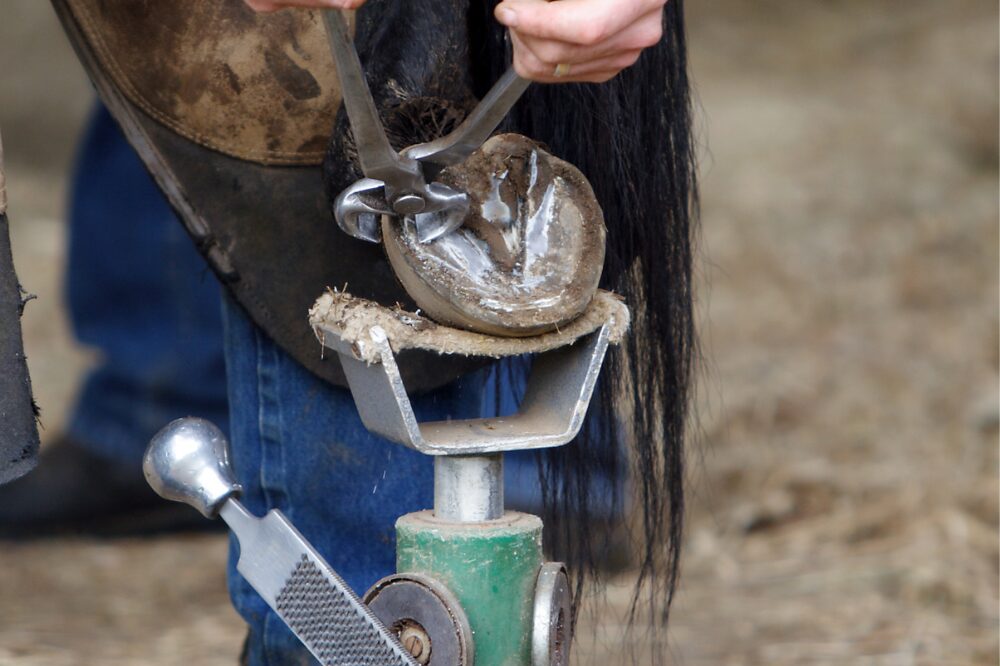
Hoof Health Tips for Summer
- Summer is great for some horses with good-quality feet, but other horses struggle with warm weather hoof care.
Stomping
- Stomping causes concussion to the legs and joints, weakens the hoof wall, and loosens horseshoes. Use fly boots to reduce repetitive motion and improve hoof care.
Wet-dry cycle
- Grass growth requires water, and summer can mean rain, morning dew, and mud. The wet-dry cycle of many seasons can cause cracks in the hoof, leading to seedy toe (white line disease) or other hoof conditions.
- Protect the hoof wall before bathing or turnout with a hoof dressing. This won’t fix everything, but it can help.
- In extra dry weather, you may need to add moisture with a hoof oil or conditioner. You can also fashion a shallow tray of water near your horse’s hay and drinking area to encourage them to step in water.
Change your farrier’s schedule
- Summer means faster-growing hooves, so you may need to shorten the interval between visits.
- More frequent visits also mean you can see the white line clearly more often to monitor for cracks. Use thrush medications or medicated hoof soaks for potential problems.
Enjoy the long hours of horse riding and sunlight during the summer months, and take care to monitor your horse’s health and comfort.

Key Highlights
- Summer turnout is about balancing sunshine, grazing, hydration, and comfort to keep horses healthy during hot weather.
- Grass conditions change throughout the season, making turnout timing and grazing management especially important for horses at risk of laminitis.
- Flies, ticks, and other pests can affect comfort and health, making a layered fly control plan essential.
- Clean water, salt, and proper hydration support help reduce the risk of dehydration, heat stress, and colic.
- Summer hoof care requires attention to stomping, moisture changes, and faster hoof growth to keep feet strong and sound.

Frequently Asked Questions
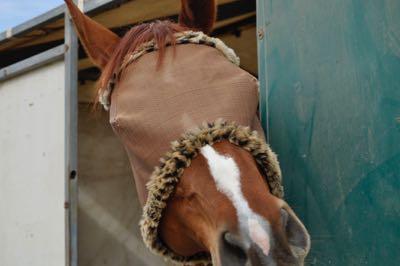
This lightweight sheet is great for horses that don't aim to tear up their blankets. Nice and airy, but thinner.


This spot-on product kills and repels ticks and helps with mosquito control.


2 sizes of this slow-feeding hanging hay toy - snack size holds a few flakes, and the half size holds 1/2 bale. There's also an XL that ground feeds.
Use code 15PROEQUINE for sitewide savings on slow feeders and more.

These grazing muzzle halters have adjustable throat latches and extra strapping to help prevent removal.
Use code 15PROEQUINE for a sitewide discount on muzzles, halters, accessories, and slow feeders.