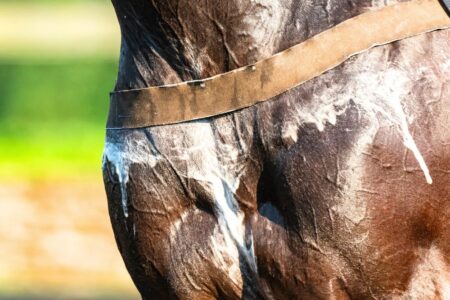
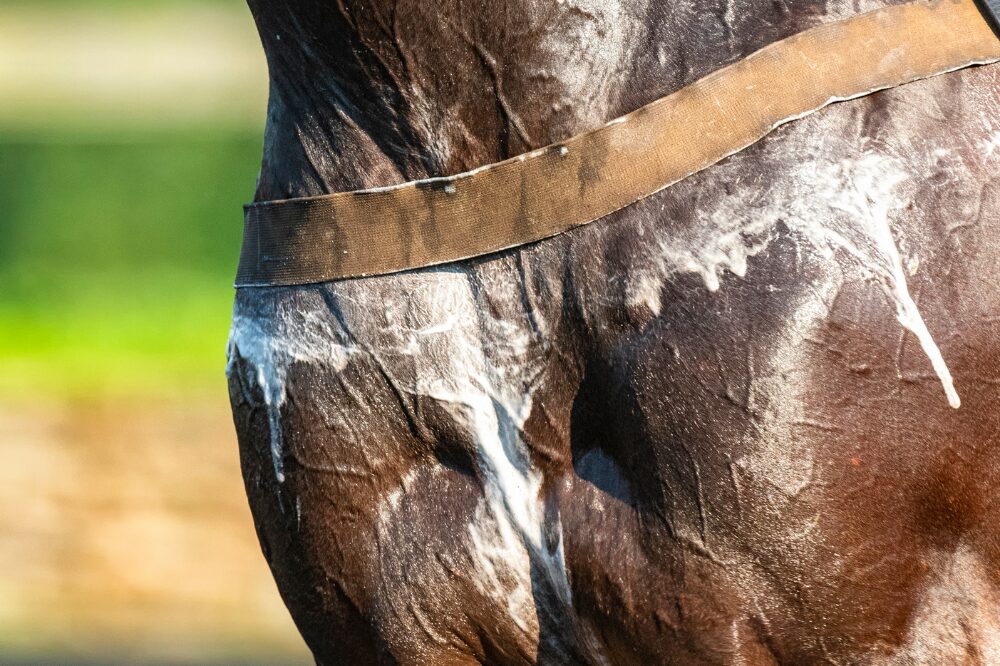
Electrolytes, on the most basic level, are salts that help your equine partner stay hydrated. As a rule of thumb, horses need them when they sweat. There’s more to that picture, but that’s the gist. Horse electrolytes are salt PLUS other minerals, which you can see the residue of after a thorough sweat. But how do you replace these lost minerals?

What are Horse Electrolytes?
- The major electrolytes are minerals essential for bodily functions, such as muscle contraction, nerve impulse signaling, and maintaining proper hydration. All electrolytes are minerals, but not all minerals are electrolytes.
- This group of minerals is called electrolytes because, when dissolved in water, they carry an electrical charge.
- For equines, the most critical minerals are sodium, calcium, potassium, chloride, magnesium, and bicarbonate.
- Of the key electrolytes, sodium is the primary regulator of water in the body and assists in nerve and muscle communications. Sodium regulates thirst, which seems straightforward, but for horses, this doesn’t always work.
- Potassium works with sodium to regulate fluid balance, blood pressure, and heart rhythm.
- Calcium is required for muscles to contract and for nerves to function properly.
- Chloride is the second most abundant electrolyte in horses, just behind sodium, and helps maintain blood volume at an optimal level.
- Magnesium assists in muscle relaxation (those supplements are starting to make sense now) and many metabolic functions.
- Bicarbonate is a primary regulator of the body’s pH. Without a tightly controlled pH, the zillions of proteins, substances, and chemicals reactions in the body don’t function to their best.
- You may notice on supplement labels that salt and minerals such as sodium chloride, magnesium phosphate, and potassium chloride are listed. These are the specific compounds used to make supplements. The sodium, magnesium, and potassium are the actual minerals needed.
Horse Sweat and Thirst
- Human sweat is mostly water, with a few electrolytes. Horses say “hold my beer” and sweat out water PLUS a vast amount of minerals. You can see them as the sweat dries, leaving the crusty residue.
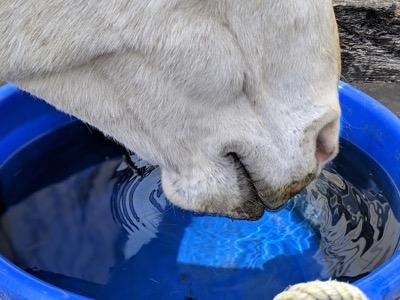
- When all is running smoothly, salt will trigger your horse to drink. As their fluid levels decrease, the salt concentration increases, triggering thirst. They drink, the salt concentration goes down, and your horse is hydrated.
How horses break the rules about sweat, salt, and thirst
- When horses sweat, the salty and mineral-y concentrations in the body also drop, as so many minerals are transported via sweat. The result is less fluid, less concentrated in salts and minerals, which won’t trigger the thirst response.
- Chloride, potassium, sodium, calcium, magnesium, and a few other trace minerals all need replenishment in addition to your horse’s daily salt intake.
Daily Salt Requirements for Horses
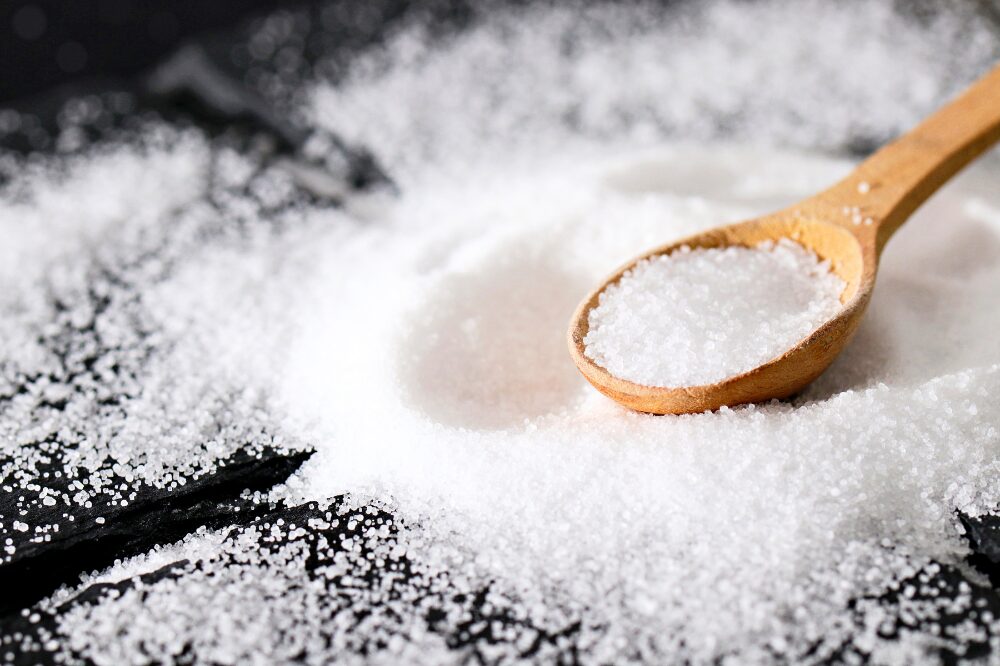
- Every equine needs regular salt supplementation, and may only need electrolytes as needed for illness, diarrhea, colic, or sweating. This assumes their diet is forage-first, with a ration balancer or vitamin and mineral supplement to fill any gaps. You still need to give salt.
- Salt leaves the body mostly in manure, and we all know how much of that our equine friends like to give us.
- To compensate, feed a daily maintenance dose of 1 tablespoon of plain salt for every 500 lbs. Most horses land in the 2 tablespoon a day range. Loose salt on their rations is best.
Salt blocks, mineral blocks, and loose salt
- Loose salt on your horse’s feed delivers the required amounts daily. Blocks leave their dose to them, making it inconsistent at best and impossible to monitor their voluntary intake of salt. They won’t know (or care) what their daily feeding rate is.
- Unlimited access to mineral blocks means you are offering something designed for other species. The mineral and salt concentrations of most mineral blocks don’t meet a horse’s needs, and they are designed for rough tongues. Your horse’s smooth tongue demands delivery in their feed tub.

Does Your Horse Need Supplementation?
- Almost every horse needs additional salt, as provided by you. The other minerals are available from a properly balanced diet, which may include extra vitamins and minerals to compensate for those missing in forage. Salt is the one thing that every horse needs, and you won’t find it in most feeds.
- It’s important to remember that months of training, sweating, and hot weather build up imbalances that you won’t resolve with a few days of supplementation. This is another reason to plan with your vet how to keep your horse safe.
Use horse electrolytes when your equine partner:
- Sweats excessively, either from the weather or stress, and even on a normal day.
- Exercises in humid conditions, as the moisture in the air prevents adequate cooling.
- Before long trailering, especially in summer heat.
- New exercise routines that are longer or more challenging.
- Has diarrhea, and normal hydration is compromised.
- Is sick with a virus or bacteria that impacts gut health, or sometimes even a simple colic.

When to Feed Your Horse Electrolytes
- Sweat isn’t the only way equines lose minerals. Drool, breathing, urinating, passing manure, and sweating all provide exit routes for these essential minerals.
- Your horse may produce liters of sweat, and each liter of horse sweat has approximately 10 grams of electrolytes. This is a lot!
Before is best
- Give electrolytes before they’re needed, within a 4-hour window. This might be before trailering, exercise, turnout, or a stressful situation.
- If your horse gets a dose of electrolytes in the morning and doesn’t sweat, the ingredients are quickly and easily excreted in the urine. If they do sweat, the electrolytes given will replace what is lost.
- Be mindful of giving your horse electrolytes all the dang time, even when they don’t need them. Extra electrolytes basically leave the body easily, but all the calcium interferes with the mechanism to use calcium reserves.
Replacing lost minerals after the fact
- You can’t plan for everything, and some situations call for horse electrolytes after the fact. Illness, diarrhea, colic, digestive problems, and dehydration for unknown reasons (or the water trough is empty or gross) warrant supplementation, as they can affect electrolyte uptake.
- However! It matters how they are delivered. Aside from the whole “excessive sweating may not trigger thirst” thing that horses have going on, you may make the situation worse by feeding your horse electrolytes.
How to Feed Electrolytes – Powder or Paste?
- The goal of electrolyte supplementation is to either stimulate your horse to drink or rebalance mineral levels due to illness or other circumstances, such as sweat loss or diarrhea.
Powder supplements
- It’s easy to offer your horse electrolytes in their feed by top-dressing their regular ration. Or offer your horse a few gallons of water with the dose added, alongside fresh water. Ideally, the flavored water is enough to replenish both water and minerals. Test several “flavors” to avoid palatability problems down the road.
- These supplements are absorbed in the small intestine and then distributed throughout the body. They can help with hydration and the restoration of key nutrients.
Paste supplements
- Another option is using a paste. These highly concentrated tubes deliver electrolytes in a chunk to the horse’s stomach without dilution by feed or water.
- Horses with ulcers or generally sensitive digestive systems may find this delivery harsh. Research shows that pastes can irritate the stomach and worsen any gastric ulcers. Of course, ulcers would get in the way of this, too.
- The other trouble with pastes is the concentration. This large dose of minerals will draw water from the body into the gut, diluting it. This can further dehydrate your horse, worsening an already bad situation.
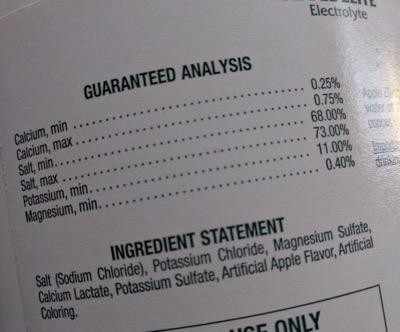
It’s very likely that I read horse labels a LOT more than I read my own food labels.
Best Protocols for Giving Horse Electrolytes
- There are a few scenarios to work through here, and your vet will always be the best source of advice for any particular situation. It’s also vital to know if your horse is dehydrated or safely hydrated.
- Giving electrolytes with water creates an isotonic solution that mimics the water balance in sweat and replaces water and minerals.
- Giving electrolytes without water can cause fluid from the bloodstream to collect in the digestive tract, worsening dehydration.
- Giving water without electrolytes to an already dehydrated horse further dilutes the minerals. In this case, the kidneys can start to increase urine output, worsening dehydration.
- The simple answer is to check with your vet if you are concerned about dehydration and the best way to help your horse. There are blood tests to monitor electrolyte levels for ill horses.
Monitor Hydration After Giving Electrolytes
- There are two ways to check for hydration. One is the skin tent test, where you pinch a bit of skin on the neck and see if it snaps back quickly. Dehydrated skin will take longer to return.
- The best way is to check your horse’s gums. Run your fingers between their upper lip and teeth. Sticky or dry gums indicate dehydration.
Signs of Dehydration
- Your horse may be dehydrated if they have:
- Fatigue or lethargy. Dehydration is a frequent cause of poor performance, but not the only one.
- Skin that has lost elasticity and doesn’t snap back
- Dry or sticky gums
- Trouble returning to normal heart rate and respiratory rate after work
- Darkly colored urine
- Fecal balls that are drier, smaller, and harder than usual (also watch out for impaction colic)
- Weird muscle function, as if they are cramped, regardless of whether your horse works at a difficult or moderate pace or not.
- In hot weather, dehydration makes your horse more susceptible to heat stress and overheating. This begins the path to colic, damage to the normal function of the kidney, liver, and other organs, and death.
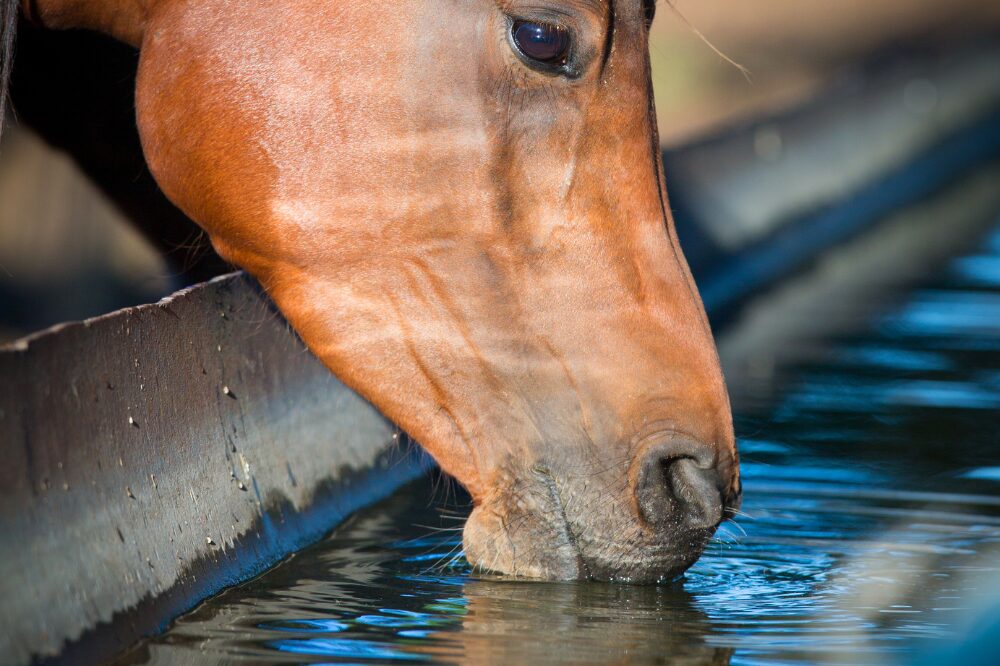
Choosing the Best Horse Electrolytes
- It’s part smart shopping, part horse taste test. I look for ingredients that don’t contain any words ending in -ose (like dextrose), as these are fancy names for “sugar”. Metabolically challenged horses don’t need that.
- However, sugars in electrolytes aid in the absorption of the ingredients, which is great for horses that don’t need to worry so much about sugars.
- Also, avoid bicarbonate as an ingredient unless your horse has diarrhea and your vet suggests it.
- On a small tangent here, diarrhea can cause major issues beyond dehydration. Think colitis, organ failure, laminitis, and even causing other horses to be sick if a virus is the cause. For you tangent lovers out there, read this on manure!
- Keep an eye on the weather and how much your horse sweats, and remember to give electrolytes before they sweat. Light work levels may not need any, but adjust accordingly for humidity and high temperatures.
- Fancy terms like microencapsulation technology mean the ingredients can survive stomach acid and be digested in the small intestine, where they are needed. Think of the ingredients being coated with a thin layer of oil to help them slip past the stomach. This can also improve taste if your horse has opinions.
More reading about electrolytes for horses in these scientific publications:
A Review of the Diagnosis and Treatment of Fluid and Electrolyte Disorders in the Horse
Fluid and Electrolyte Balance in Endurance Horses
Sweating, dehydration and electrolyte supplementation: Challenges for the performance horse
A physiological approach to fluid and electrolyte therapy in the horse
Electrolyte and Acid-Base Disturbances in the Horse
Oral Electrolyte and Water Supplementation in Horses
Effect of oral administration of electrolyte pastes on rehydration of horses