Reasons to Skip the Clipping
- One reason to skip a haircut is the weather. If your area is famous for bitter cold, clipping exposes large areas, especially as blankets don’t cover everything. In cold climates, your equine partner needs protection from the elements, whether with blankets or hair. If your equine partner has excess hair that hinders their body temperature regulation, some solutions don’t require close clipping to the skin.
- Proper preparation for a January or February clip is sometimes intense. If your only reason for creating a shorter coat in the winter is vanity, it’s best to let the coat stay as is, especially if the prep would impact their health and comfort.
- For older horses or hard keepers, keeping their coats as is will help them better utilize their forage for warmth.
Reasons for Horse Clipping in Winter
- The usual reasons for having a clipped horse or a fuzzy winter coat are the same all year long – the coat doesn’t match the climate, or your horse’s hair creates a skin problem.
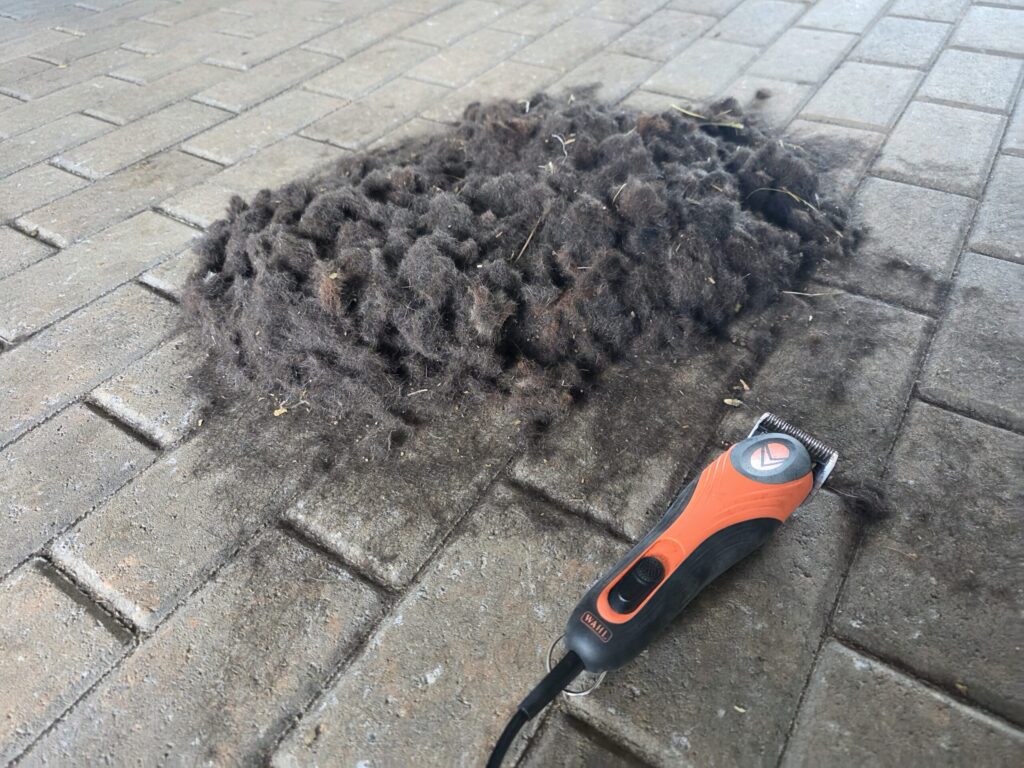
- Clipping removes or thins hair that traps dirt, dander, sweat, moisture, bacteria, and other microbes against the skin, allowing mud fever, rain rot, and other skin issues to pop up.
- For some, the natural coat around the elbows and girth gets yanked by the tack, and tidying these long hairs prevents sores and patches.
- You can also make minor adjustments to thick coats by spot-trimming some areas, such as creating a custom horse clip pattern. For example, you could modify a traditional Irish clip or a trace clip to be narrower or wider, depending on your horse’s needs. The underside of the neck often becomes too sweaty, and a quick bib clip can be shortened or extended as needed. The options for a partial clip are endless.

Tips for Successful Clipping in January or February
- First, decide where you need remove hair. If cold weather is a factor, focus on the extra sweaty or problematic areas, like feathers, to trim.
- If warm weather abounds, you can body or trace clip to your heart’s content. Plan for blankets just in case the weather turns or wet conditions make staying warm difficult.
Pick your design before you prep
- Deciding where your horse needs a clip can save you some time as you prep. Hot toweling can be tedious, so if you are doing a blanket clip or a hunter clip, or even just a few spots, clean those areas. But if you get on a roll, you can groom and towel for a full-body clip.
How to prep your horse for mid-winter clipping
- Your horse’s coat will be a collection of mystery gunk that will gum up your blades if not cleaned beforehand. No amount of clipper oil can save you if you start with dirt invading your horse’s body. Ideally, you can bathe them to clean the thick winter coat. At this time of year, it’s more likely that a thorough grooming, followed by hot-toweling, is the best way to prep.
- To hot-towel, expect a workout that will challenge even the fittest horse owners. First, groom your horse. Then mix a few gallons of hot water with a few capfuls of no-rinse spot remover or regular shampoo. Add some cloths or rags to the mixture.
- To start hot-toweling, grab a hot rag from the shampoo-and-water mix. Wring it out thoroughly and use that in a curry comb way to “wash” the coat. You may end up with a damp coat, which is fine, but if the hair is wet, you’ll need to cover the damp areas with a cooler (not a winter blanket) to dry. Then wring out more water from your next cloths.
- As your rag loses heat and becomes dirty, rinse it in a separate bucket of cold or warm water before returning it to the hot water mix for another turn. Carry on until the hair and skin are clean and dry.
Choose your clippers and blades
- You won’t get far without the correct clipping blades. Small trimmers are best for light work, like bridle paths, wispy hairs, and tidying up a summer coat.
- Horses with Cushing’s disease or extra-thick coats need shears or body clippers to handle the job. A typical body clipper removes hair on most horses well, and works best when your horse starts clean.
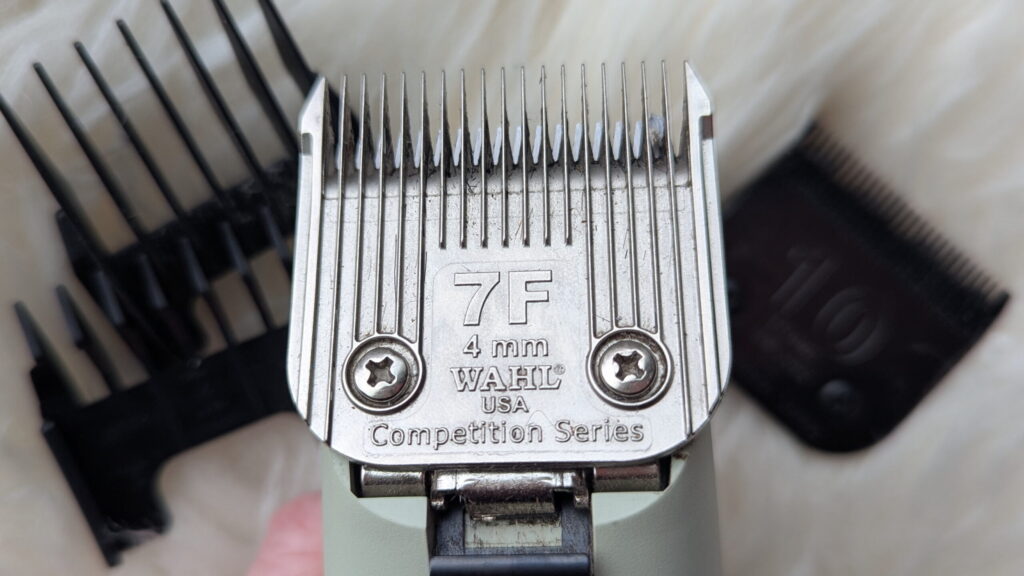
- When selecting a blade, consider how much hair will remain. A #9 or #10 blade is standard for regular clipping, and leaves about 1.5mm of hair. Using a #7F, which leaves 4 mm of hair, or adding clipper combs to make space between the blade and your horse. Having more hair is a good idea to help retain body heat.

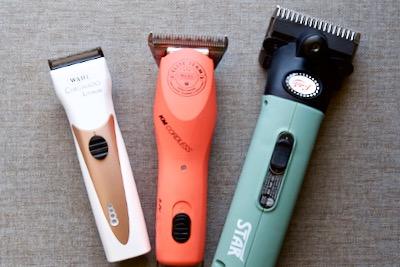

Wahl KM Supera Clipper with #10 Wide Blade
This new KM cordless clipper has constant power, no matter the haircoat, and rechargeable batteries that last 3 hours. It's quiet, and the wide blade makes clipping faster.

We earn a commission if you make a purchase, at no additional cost to you.
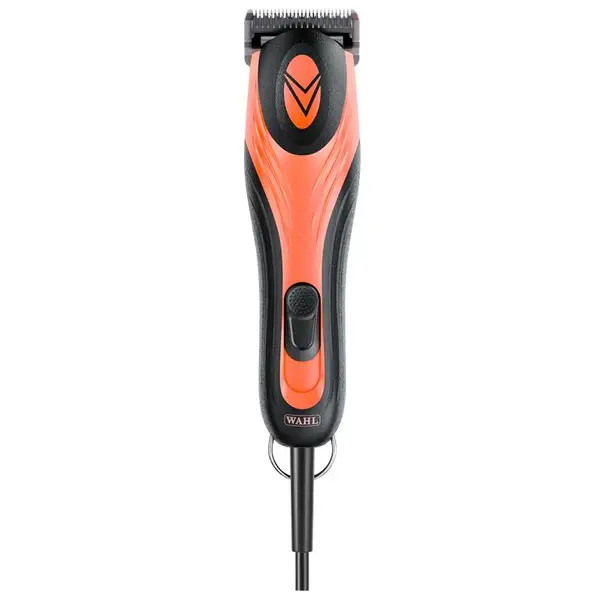
Wahl Professional Animal KMC+ 2-Speed Cordless Clipper Kit
$312.99
This is my favorite clipper - It's great for body clipping, trace clipping, and trimming. Cordless for the win!

03/29/2026 01:01 am GMT


WAHL Professional Animal Bravura - Corded/Cordless Clipper Kit
$210.99
These powerful trimmers have a 90 minute run time, and you can use them as you charge if needed!

03/29/2026 01:06 am GMT