What is Hot Oiling a Horse?
- Some clarification first – you don’t really heat the grooming oil, that seems dangerous. Instead, you will be using the warmth and steam from hot cloths to transfer grooming oil to your horse. Hot oiling is fast and convenient for giving your horse a shine and conditioning with minimal effort.
- Grooming oils have the distinct benefit of doing many things, not the least of which is conditioning your horse’s dry winter coat. Then you have the bonus of a shine and a bit of mud- and stain-repelling properties.
- Hot clothing won’t replace daily grooming and daily care, but grooming oils supplement your horse’s natural oils to protect the skin and hair. These oils provide shine, waterproofing, conditioning, and detangling.
What are equine grooming oils?
- These are conditioning oils, often containing baby oil (mineral oil), that can serve as a hair-care solution in the winter months. Unlike silicone products that coat the hair and create a sleek finish, oils act as conditioners, absorbed to soften the hair, much as humans use conditioners.
- It’s best to use a product intended for equine grooming rather than baby oil. Grooming oils typically contain additional ingredients, whereas baby oil is “stronger” and less absorbent.
- Grooming oils are an excellent product for freshening a horse’s coat and for detangling after mane and tail shampoo. Excessive tangles or wind knots cause hair damage.
- When used appropriately, specialty oils won’t cause saddle pad slide, react to sunlight, or make the hair greasy.
- Do not use oils such as MTG or pig oil containing sulfur to condition the coat and stimulate hair growth, as these are therapeutic oils and not intended for all-over use.

Benefits Beyond Hair Conditioning
- You may also see improvements in dandruff, hair breakage, knots, and itching. Any concerns about your horse’s skin and hair health, or if itchiness, dryness, dandruff, hair loss, or a change to hair condition warrants a call to your vet.
- Shine is the most apparent result of oiling your horse. It’s perfect after body clipping to restore some color depth and shine.
- The extra protection helps horsehair resist stains, especially on gray horses.
- Use a quarter-size amount to detangle manes and tails on wet or dry hair. Use more if necessary.
- For stubborn, extensive wind knots, douse the tangled area with oil and wait a few minutes before picking at the edges.
- A horse may need some help waterproofing, and this can help!
- For heavily feathered breeds, oiling the leg hair helps prevent excessive mud buildup.
How To Hot Oil Your Horse
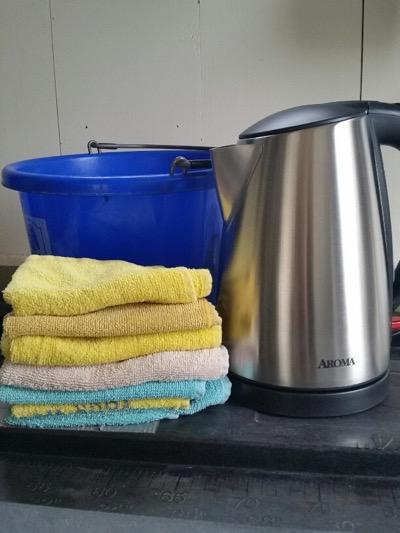
Tools:
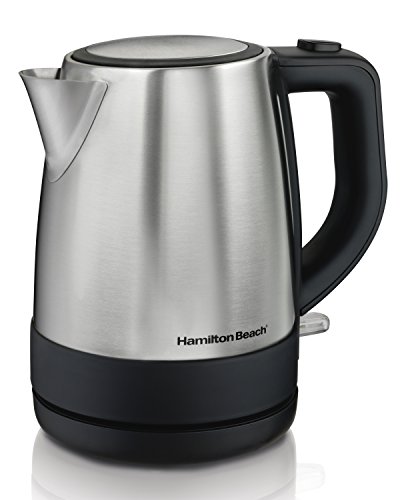
- Hot water source, like a kettle
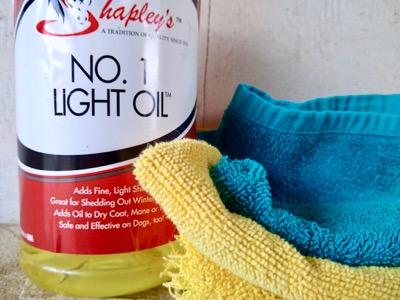
- Grooming oil of choice
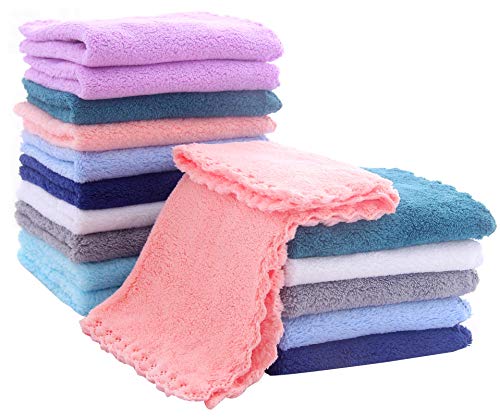
- Cloths, rags, or a dense sponge
Step 1 : Make your hot oil bucket
Add a couple of capfuls to 1-2 gallons of HOT water.
As you practice you'll be able to eyeball the ratio to your liking.
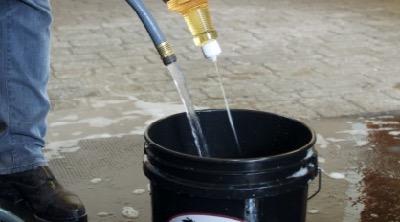
Step 2 : Toss in a few small towels or cloths
Give this a good swirl to mix up the oil and water.
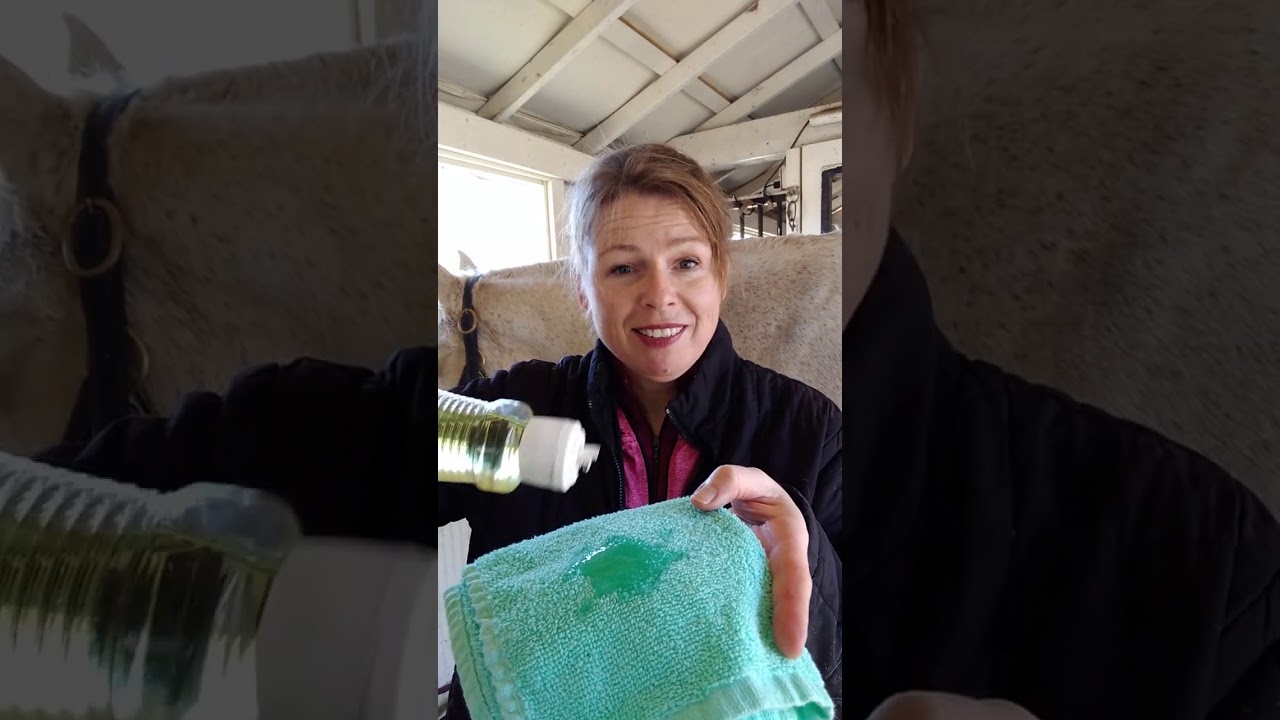
Step 3 : Remove one rag and wring it out WELL
You want some of the heat to dissipate and leave you with a warm, barely-damp cloth.
Step 4 : Use this cloth to curry comb your horse.
Work in circular motions over small areas. If your horse gets wet, wring out your cloth again and cover wet areas with a cooler when you are done.
Mane and Tail Conditioning
- Adding grooming products to tails helps keep them clean and tangle-free. You have a few ways to use grooming oils in manes and tails:
- Use a dollop on a wet or dry tail to add shine, detangle, and condition. You may want another dollop for thick tails or to cover the ends.
- Apply liberally to the tail, then braid or use a tail bag. In a few days, shampoo any remaining product.
- You can also condition the mane if you like, and braid it or let it hang free. Too much product will drip, so start with a small amount and add more as needed.
Tips for Leg Feathers
- Feathers and mud are a perfect storm for causing mud fever and a giant mess, often damaging hair.
- After cleaning the feathers, douse them with the product before turning them out into the mud. A copious amount of oil helps the mud slide off.
- Yes, it’s messy to apply, but less messy if you use a paintbrush.
Mites and mud fever
- For active cases of mites or mud fever, follow your veterinarian’s recommendations on clipping, shampoos, topical products, and any medications to treat the area.
- Treatment may include dousing the feathers with MTG or pig oil with sulfur. These powerful products contain antimicrobial ingredients that may help with skin issues, but they shouldn’t be used on the body as a conditioning treatment.
- Always test a patch of any topical product before going all-out, especially if it contains sulfur ingredients.

For quick shine boosting, use a grooming oil spray.
Tips to Hot Oil a Horse
- I will always suggest trying out a small area of your horse, like the hindquarters, and seeing how you like it after it dries and you have brushed it out.
- The “secret” to using a grooming oil is that you don’t need much of it. A small amount goes a long way, and you can adjust how much you use according to how dry your horse’s coat is.
- When hot oiling, mix two capfuls into a gallon of hot water to start. Toss a rag into this mixture and swirl before using.
- For deep treatments, work in sections of mane or tail to minimize drips while still thoroughly coating the hair.
- If you use too much, use a spot cleaner or no-rinse shampoo to remove excess. Wait a few hours to make any final decisions about the outcome.
- It’s always best to use too little rather than too much.


Shapley's No.1 Light Oil
$19.30
This is my favorite horse care product for shine, conditioning, detangling, and stain protection.

06/18/2026 10:02 pm GMT
06/19/2026 12:03 am GMT
Shapley's Easy-Out No Rinse Shampoo 32 fl.oz
$18.06
Spot removing, deodorizing, dust busting, shine adding spray.

06/19/2026 12:02 am GMT